

Since its inception, the Black Church has stood for activism. It has been loud when the world demanded silence. Emotive in a culture that prizes stoicism over vulnerability. Communal in the face of capitalism’s insistence on individualism. Faithful amid unrelenting nihilism.
Or at least, it used to be.
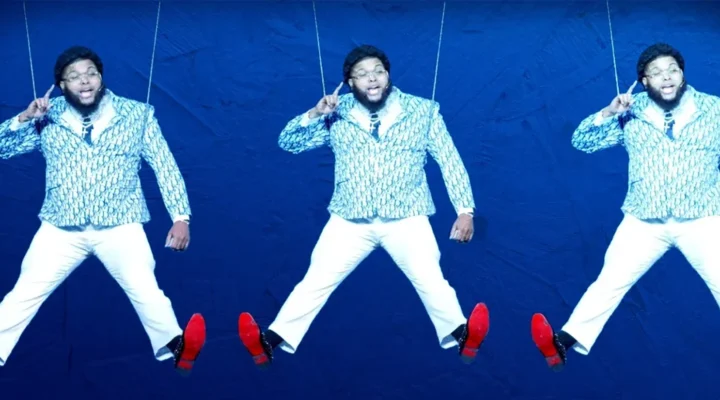
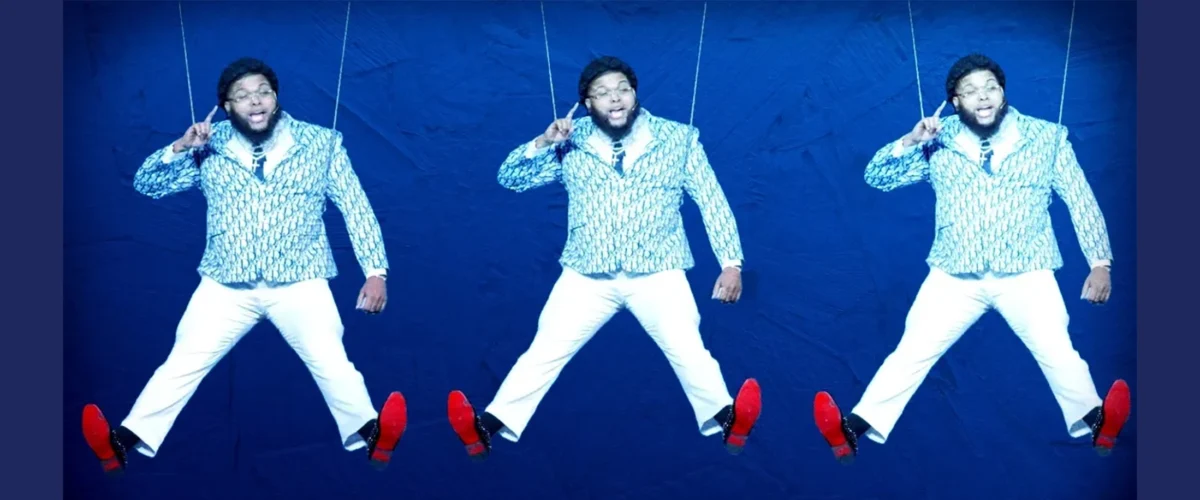
Druski’s viral church skit exposed why younger generations are prioritizing genuine connection over flashy buildings and light shows. Druski is a comedian and cultural commentator known for using humor to reflect everyday truths about Black life. The exaggerated performances, fixation on appearances and hollow spectacle resonated not because they were outrageous, but because they were familiar. Many of us have been to that church.
Julienne Louis Anderson
As Martin Luther King Jr. Day approaches, churches across the country will invoke King’s legacy. They will replay familiar clips and quote well-worn lines about unity and love. But King did not stand in the church merely as a pastor. He stood as a radical moral leader who demanded an end to segregation, militarism, greed and corruption — both domestically and abroad. His ministry was inseparable from political clarity and public risk.
Psalm 82:3–4 instructs us to “defend the weak and the fatherless; uphold the cause of the poor and the oppressed. Rescue the weak and the needy; deliver them from the hand of the wicked.” Millennials and Gen Z are doing that on social media and street-level organizing. We are searching for a Black Church willing to meet the urgency of now with conviction, courage and action.
So I ask: When was the last time your pastor could’ve gone viral — not for controversy or spectacle but for courage? For speaking plainly about women’s bodily autonomy. About children losing access to food as SNAP benefits are slashed. About mass layoffs or the steady march toward war.
My guess, many pulpits have grown conspicuously quiet.
And it’s not because there is nothing to say.
“Many pulpits have grown conspicuously quiet. And it’s not because there is nothing to say.”
For Black Americans, there always has been an endless supply of material; yet instead of addressing the crises facing our communities, we have watched the rise of prosperity preaching while Black families bear the brunt of inflation, job loss and housing instability. We’ve seen pastors chastise members for giving “too little,” even as people struggle to keep the lights on.
This posture is antithetical to the Black Church’s origins. And it is not the church my grandparents raised me in. James 2:26 tells us, “Faith without works is dead.” While our grandparents prayed fervently on bended knees during the Civil Rights Movement, they also worked.
One of my grandmothers worked at a church that doubled as a polling site. The other chauffeured elders to voting locations. My deacon grandfather taught me — consistently and unapologetically — about the importance of using my Black vote to support myself and my community. He used his barbershop as a site of political education. This was not political theater. It was a moral duty and a privilege they’ve learned from the history of Black church.
During Reconstruction, churches doubled as schools — one-room sanctuaries where Black children were taught to read and write, whether their families were members or not. During the Great Depression, pastors organized food, clothing and work for communities devastated by “last-hired, first-fired” policies.
So I ask again: Where is that church today? The one so bold, so rooted in justice, that it draws public condemnation, not for theatrics, but for truth. Or have we settled for the performance of church?
This is why Millennials and Gen Z are cackling at Druski’s skit. We aren’t seeing enough faith leaders who seem concerned with the fate of our country and willing to risk their lives, just like Jesus did, to save it. Leadership seems more concerned with policing outfits, criticizing skits and protecting reputations than addressing the material conditions crushing their people. Basically, we’re tired of the lip service of church. And this is not a problem we can afford to ignore.
“We’re tired of the lip service of church. And this is not a problem we can afford to ignore.”
The Black Church is shrinking. In-person attendance is down. Tithes are declining. The labor required to sustain congregations is increasingly concentrated among fewer — and older — members. There is a clear correlation between the church’s retreat from institutional advocacy and its declining relevance in Black life.
I witnessed this erosion firsthand. During a citywide convening around Hurricane Katrina’s 20th anniversary, community leaders gathered to discuss voter engagement. I proposed that the city’s largest Black churches host civic education sessions — spaces where congregants could register to vote, ask questions and understand the implications of Louisiana’s upcoming constitutional amendments. Amendments that, if passed, would disproportionately harm Black communities.
The response was swift and disheartening:
- “We don’t know enough to speak on it.”
- “It’s not our role to inform the congregation.”
- “It could jeopardize our 501(c)(3) status.”
And yet, this kind of engagement was deeply aligned with King’s vision, which framed activism as a daily discipline of life — his works. During the Civil Rights Movement, churches across the country, not just King’s, were so deeply intertwined with activism that they became targets, bombed, burned and terrorized for daring to organize Black people toward political activism. This was the church’s draw for young people during the Civil Rights Movement — the unshakable belief that activism and biblical doctrine are inseparable. That someday we will be free but we will work every day until we achieved it.
Until then, the exodus will continue. Not because faith is dead — but because too many Black churches have stopped doing the work.
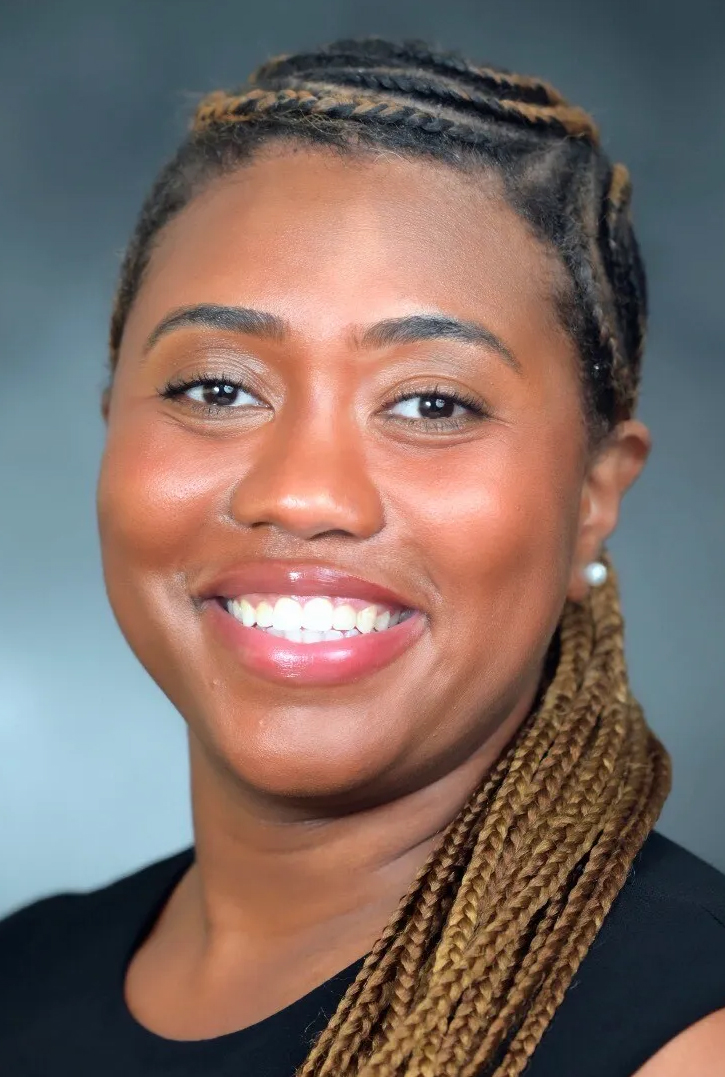
Julienne Louis Anderson is Millennial Southern Baptist woman and a fellow of The OpEd Project in partnership with the National Black Child Development Institute.