

The faith experiences of many Queer Christians have unfolded in churches that once described themselves as “welcoming,” “inclusive” or “loving” yet stopped short of full affirmation.
Some of those congregations have since changed. They now perform same-gender loving weddings, ordain LGBTQ clergy and declare queer identities are holy and beloved. That change matters.
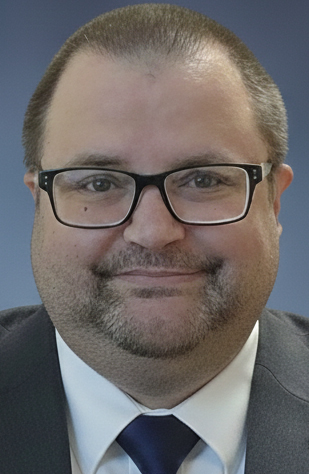
Josh Bledsoe
For queer individuals like myself who sat in pews during the “welcoming but not affirming” years, healing requires more than a policy shift. Healing requires the church to openly acknowledge and address its past.
Becoming affirming is not the end of the story. In many ways, this is the beginning.
To understand why, consider what happens when that past goes unnamed.
When affirming churches fail to reckon with their history, harm does not simply disappear. Harm often lingers quietly and invisibly within the bodies and memories of those who endured the nonaffirming era of current progressive churches.
First, silence leaves no space for communal repair.
Silence communicates something powerful. When a church celebrates its LGBTQ-affirming identity without naming its flawed “don’t ask don’t tell” history, this silence sends a message to queer congregants who endured the previous era. The message is this: The shame and trauma experienced because of the church’s past does not matter.
I personally asked my church to adopt a welcoming and affirming policy in 2014. The congregation did not adopt that policy until 2023.
What did I learn during those years? I was good, but I wasn’t good enough.
“What did I learn during those years? I was good, but I wasn’t good enough.”
I learned my presence could be appreciated, my service welcomed, my leadership utilized — but my full self required deliberation. Living inside that reality does not leave a person unchanged.
The trauma has shown up in the way my body tenses during worship. The trauma has shown up in the way I rehearse sentences in my head before speaking, trying to sound calm enough, reasonable enough, nonthreatening enough.
Over time, I began to internalize the delay. If affirmation kept being postponed, maybe I really was too much. Maybe my needs were unreasonable. Maybe equality was something I should be grateful to receive eventually instead of something I could expect now.
That kind of prolonged uncertainty creates hypervigilance. You start scanning for signs of rejection even when none are explicit. You learn to read tone shifts. You anticipate disappointment before it arrives because history has trained you. The wound is not only theological; the wound is embodied.
Past harm from the LGBTQ welcoming but nonaffirming version of church impacts how safe I feel in spaces that once felt like home. Inclusive but not affirming church trauma made worship complicated. This harm blurred the line between belonging and endurance.
Every year without affirmation reinforced the same subtle message: Your flourishing can wait. When you hear that long enough, the message begins to settle into your bones, shaping your self-concept. This rejection distorts your spiritual imagination, which made me question whether my longing for full inclusion was selfish rather than sacred.
“That kind of harm does not disappear when the policy changes.”
By the time our church policy finally passed in 2023, the damage had accumulated. Relief did not automatically undo nine years of pseudoacceptance. A vote could change language on paper, but the congregational shift to affirmation could not instantly unwind the trauma of feeling secondary in a place I loved.
That kind of harm does not disappear when the policy changes. The past inclusive but nonaffirming spiritual harm has to be named, understood and tended to. Otherwise, the body remembers even when the church moves on.
I was told by church leaders that I was loved by God, but my body carries the trauma of another implied truth: It is okay for LGBTQ people to be simply tolerated rather than affirmed.
If that history goes unnamed, the theological hierarchy that once privileged heterosexuality remains subtly intact. Communal repair requires more than moving forward; healing and reconciliation requires confessing what was broken.
Second, there is another danger: Growth that rests on unacknowledged pain
Some congregations experience significant growth after becoming affirming. LGBTQ individuals who previously were excluded finally feel safe enough to join. The church may celebrate this as evidence of faithfulness and progress. However, that growth often rests on unacknowledged pain.
For those of us who lived through the “welcoming but not affirming” years, the shift was not just a theological adjustment. The evolution to affirmation came after years of spiritual strain. Trauma is not only something that happens in dramatic moments. Trauma also forms in prolonged environments where your dignity is uncertain.
“When belonging is conditional, you learn to stay alert.”
When belonging is conditional, you learn to stay alert. You learn safety can shift without warning. When a church becomes affirming and celebrates new life and vitality, those of us who absorbed the earlier harm can feel disoriented. The same sanctuary that once felt tense now feels triumphant. Meanwhile, the body remembers the years of waiting.
I personally asked my congregation to apologize, and I was told no. The pastor could not understand how that would help the church.
In that moment, something inside me settled not into peace but into realization. The refusal to apologize communicated that my trauma was inconvenient. That naming harm would disrupt the forward momentum. That healing those bruised along the way was less important than protecting the church’s new LGBTQ community outreach plan.
When harm is denied or minimized, the dismissal of past experiences of pseudoacceptance compounds the original wound, creating a destabilizing effect. You begin to question your own memory. Was nonaffirming but welcoming church life really that bad? Am I exaggerating? Why does this still hurt?
Being told an apology was unnecessary intensified the harm because this invalidation of my experience suggested there was nothing to apologize for — implying that the years of spiritual tension, of feeling less than, of navigating conditional welcome were simply part of the process.
Eventually, I had to leave the church where I was baptized as an adult. That decision was not impulsive. My decision came after exhaustion and a renewed commitment to embrace the truth that God cares about the times I’ve been harmed by the inclusive but not fully affirming church.
After recognizing that my body no longer relaxed in that space. After noticing that every celebration of progress reopened something unresolved in me. Leaving felt like grief layered on grief. I was not only mourning the church’s past posture; I was mourning the loss of what that community once meant to me. I was mourning the version of myself who believed staying would eventually lead to repair.
Let me be clear: When a church celebrates its vibrant LGBTQ ministry without naming the queer harm that preceded it, the church risks building a future on queer trauma. This unresolved pain does not simply disappear. Instead, the unresolved pain often resurfaces in the form of internal division.
Third, within newly affirming churches, there can be an unspoken divide.
On one side are LGBTQ members who endured the inclusive but not fully affirming years, and on the other side are those who arrived after affirmation was established. For those who lived through the earlier era, the divide is not about resentment.
“Others may see a victory, but those who endured the waiting often feel the cost of that victory.”
They remember the emotional labor of advocating for policies that directly affected their own dignity. They remember the slow drip of delay, year after year of being asked to be patient while their belonging remained unsettled. That kind of prolonged uncertainty reshapes a person, creating hyperawareness.
Even after affirmation passes, the body may still brace during congregational conversations. Celebration services can stir complicated emotions. Others may see a victory, but those who endured the waiting often feel the cost of that victory. Meanwhile, newer members step into a church that already feels settled.
Without intentional acknowledgment, this difference can create quiet isolation. Those who endured the earlier harm may feel out of sync with the current enthusiasm. They may hesitate to voice lingering pain for fear of dampening celebration. Over time, that silence becomes a burden.
When the struggle is reframed as a smooth journey of growth, those who absorbed the strain can feel erased — their advocacy, their tears, their sleepless nights, their spiritual confusion reduced to a footnote in a triumphant narrative.
Naming the past interrupts that erasure. Stating the truth about past harm acknowledges that affirmation did not emerge gently or painlessly. It came through conflict, delay and real emotional cost.
Naming the past validates that some members were not merely observers of change. They were the ones who led their community to a more loving reality. However, when harm is not acknowledged, trust slowly erodes — because trauma heightens sensitivity to inconsistency.
Trust is rebuilt when reality is spoken plainly. When leadership says, “This community once caused harm, and some of you are still healing from it,” something stabilizes. The body begins to believe the ground is firm. Without that truth-telling, the divide remains — not because queer members are unwilling to celebrate progress, but because their trauma has never been fully seen
Fourth, trust is not restored by a vote or a website update.
A policy can change in an instant with a congregational vote, but healing from trauma does not. For those of us who were spiritually harmed, the question is not simply, “Is the church affirming now?” It is deeper and more embodied than that: Is the church capable of telling the truth about what happened here? Is the church willing to recognize that the inclusive but not affirming reality harmed many Christians who came searching for spiritual care and nurture? Can the church hold the weight of what they once asked me to carry alone?
“Non-affirming but welcoming harm attaches itself to places that were supposed to nurture you.”
Spiritual trauma has a particular sting because nonaffirming but welcoming harm attaches itself to places that were supposed to nurture you. The wounds inflicted from the churches’ evolution alters how you experience sacred space. You do not just rethink theology. You relearn how to breathe in a sanctuary. You relearn whether vulnerability is dangerous. You relearn whether your story will be received as testimony or treated as disruption.
When harm goes unacknowledged, the body stays alert. You listen carefully for hesitation in leadership’s voice. You watch how conflict is handled. Trauma sharpens perception, training you to notice inconsistencies.
That is why accountability matters so much. Without accountability, every new declaration of welcome feels provisional. Once leadership told me that saying “I’m sorry” would not help the church community, something fractured inside me. The refusal was not neutral. The rejection communicated that institutional stability mattered more than my own personal healing. The church’s inability to say I’m sorry suggested that naming harm was more threatening than the harm itself.
When an apology is withheld, this spiritual abuse was more traumatic than the original injury being defended.
The result is not dramatic outrage. It is erosion. Respect begins to thin. Confidence in leadership weakens. You stop assuming goodwill and start analyzing motives. You question whether growth statistics are being protected at the expense of wounded people. You begin to wonder if your healing is viewed as optional.
It is difficult to trust a community that appears to prioritize momentum over repair. Because trauma remembers patterns. If the church once delayed affirmation to preserve unity, and now delays apology to preserve image, the pattern feels familiar. Familiar patterns feel unsafe.
Trust after spiritual harm is not rebuilt through announcements. Trust is rebuilt through costly honesty. Through leaders who can say, without qualification: “We were wrong. Our silence harmed you. We should have acted sooner.”
Without that, trust remains fragile — present on the surface, brittle underneath. People may stay. They may serve. They may even celebrate, but a part of them remains braced, prepared for history of harm to repeat.
If addressing the past is necessary, repair must make it possible not just to attend again, but to exhale again.That is the difference between policy change and healing. One alters language. The other restores safety.
What affirming churches must do
I believe in the possibility of healing and reconciliation. That is why I have chosen to write this article. If transformation is real, then the healing process must be embodied in action.
First, healing begins with listening.
Churches must create intentional spaces to listen deeply and without agenda to those harmed by “welcoming but not fully affirming” theology. Listening is not about gathering testimonials to validate the church’s progress. Listening is about understanding impact. Listening is about hearing how inclusive but not fully affirming theology harmed self-worth, mental health, relationships and faith.
Listening, however, must be paired with humility.
Leaders may feel tempted to explain: “We were doing our best. We were moving slowly. We were trying to hold the church together.” Intentions, however sincere, do not erase impact.
Clergy and lay leaders must set aside ego and the desire to be perceived as “the good ones.” The work of repair requires humility. Reconciliation requires acknowledging that good intentions still caused deep harm. Humility then makes room for something even more concrete: Apology.
A meaningful apology is specific and clear. An apology names the harm, and repentance should not hide behind passive language. “Mistakes were made” is not an apology.
“An apology names the harm, and repentance should not hide behind passive language.”
An apology might sound like this: “We said you were loved, but our institutional silence communicated something entirely different. We are sorry.”
An apology signals moral clarity. Repentance tells those who were harmed that the church now understands their failure. Importantly, this apology should not be rushed or used as a marketing tool to increase membership. An apology is not a public relations step. Saying “I’m sorry” is an act of authentic repentance.
For queer individuals who lived through the “inclusive but not fully affirming” years, the pain was not abstract or theological. Our personal wounds have shaped the way we enter sanctuaries and the way we sing hymns. We were not merely disappointed by the church’s silence. We were wounded.
When a church openly names the damage caused by its earlier posture, it honors the reality that people were bruised in the process of that evolution and recognizes that spiritual harm is still harm, even when it is wrapped in polite language and good intentions.
Truth-telling becomes sacred because recognition of past harm validates what we experienced. Honesty says: “You were not overly sensitive. You were not impatient. You were responding to something real.”
An apology, then, is not about dwelling in shame. An apology is about restoring moral clarity. Repentance is about saying: “Your pain was not imaginary. Your wounds were the result of choices we made. We see that now.”
For those of us who were there, hearing that acknowledgement can begin to untangle years of confusion making room slowly for trust to return. We were hurt because we cared. We were hurt because we believed the church when it spoke of love. We were hurt because we trusted that “welcome” meant something sturdy. The grief is sharp precisely because the hope was sincere.
If affirming churches want their transformation to mean something more than a policy shift, they must be willing to face this truth: Progress came at a cost. Real people absorbed that cost, and many of us are still hurting.
Josh Bledsoe served as chair of PFLAG Flat Rock/Hendersonville, N.C., from 2014 to 2025, leading more than a decade of advocacy, education and support for LGBTQ individuals and families in Western North Carolina. In 2015, he was honored with the Human Rights Campaign North Carolina Equality Award in recognition of his leadership and commitment to advancing equality at local and state levels.