

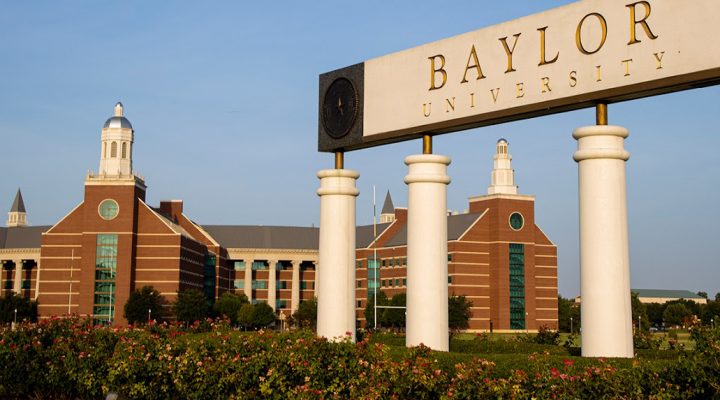
Baylor University’s decision to allow student groups to host a counter-event to the Turning Point USA rally on campus April 22 is drawing criticism from conservatives.
The Baptist General Convention of Texas and adjunct lecturer Christina Chrenshaw are among those who have publicly called Baylor to account for allowing two gay speakers at the alternative event.
As BNG reported last week, facing intense blowback over allowing the TPUSA event on campus, the administration — reportedly reluctantly — approved a request from a coalition of five student groups to host their own event as a counter to the TPUSA “This Is the Turning Point” event scheduled for Waco Hall.
Kelley Robinson, a Black lesbian who is head of the Human Rights campaign, and Paul Raushenbush, a white gay man who leads Interfaith Alliance, are two of the scheduled speakers. Scheduled speakers at the TPUSA event include Donald Trump Jr. and Border Czar Tom Homan.
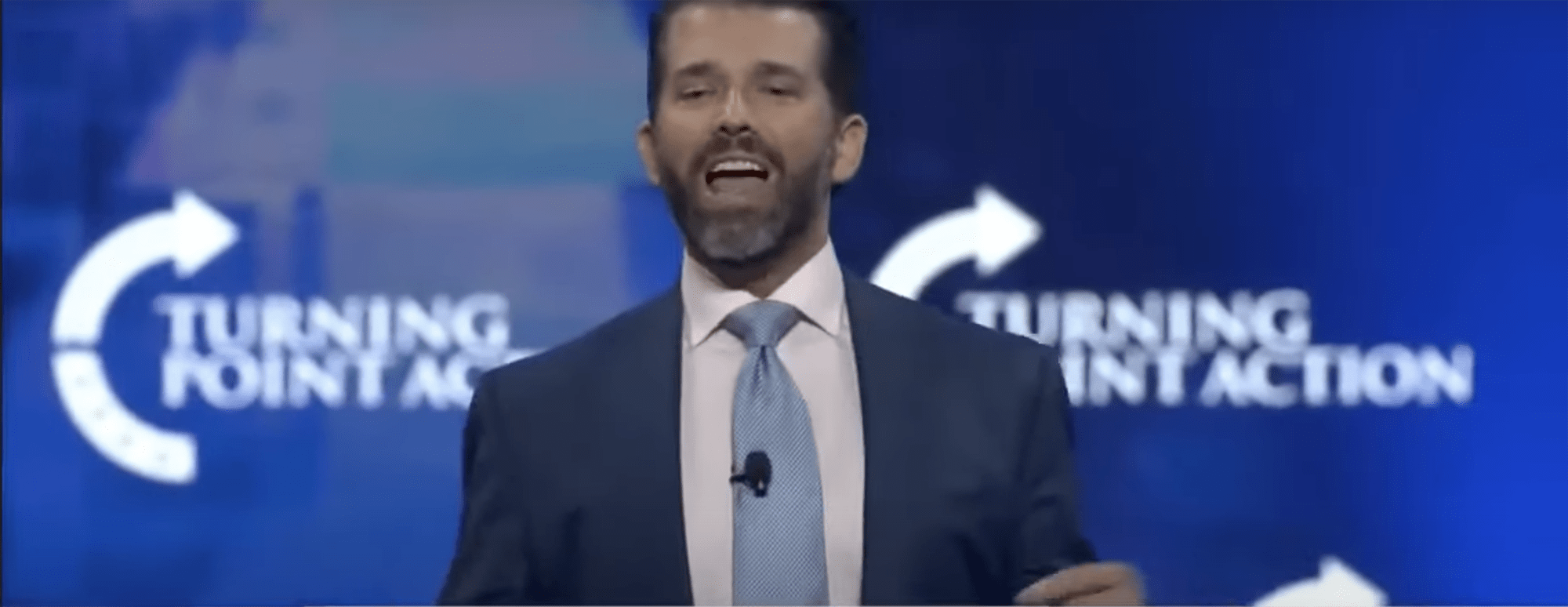
Donald Trump Jr. speaking at the Turning Point USA conference Dec. 19, 2021.
Recent history
Although Baylor had allowed two other gay speakers public platforms seven years ago, the Baptist-affiliated school has steadfastly held to its Statement on Human Sexuality that describes same-sex relations as sinful. In 2019, the School of Social work hosted Christian author Justin Lee, a gay man, for a lecture, and Glen Maxey, the first openly gay member of the Texas House of Representatives, spoke at Baylor about his political experiences. That event was organized by Baylor Democrats and was open to all Baylor students and the community.
The university also has a spotted history of relating to its most famous women’s basketball alumnus, Brittney Griner, who is gay, refusing to acknowledge her illegal imprisonment in Russia but more recently welcoming her back to campus with a celebration.
Last year, the administration made the dean of the School of Social Work return a $643,000 grant from the Baugh Foundation that was earmarked to continue a study on how gays and lesbians and women feel excluded from churches.
Dean Jon Singletary then was forced to step down from leading the Diana Garland School of Social Work. All this took place after right-wing figures — including Megan Basham — drew national attention to the grant and criticized Baylor as being “woke.” The renewal of this ongoing grant would have funded two staff positions that will be eliminated at the end of this semester.

Brittney Griner embraces Baylor women’s basketball coach Nicki Collen. (Photo: Baylor University)
Texas Baptists cry foul
The first public critique of the planned “All Are Neighbors” rally approved for April 22 came from the BGCT, known as Texas Baptists. This state denominational body has the right to name 25% of the university’s regents but contributes only $1.3 million annually to support student scholarships and campus ministry — 0.001% of Baylor’s $995.8 million annual budget.
Further, only 17% of Baylor’s student body report they are Baptists.
The BGCT contributes 0.001% of Baylor’s budget but controls 25% of the board of regents.
Last Friday afternoon, the BGCT released a brief statement that says: “We are aware of recent reports regarding the student-initiated ‘All Are Neighbors’ event being planned at Baylor University and are hearing strong concerns from members of the Texas Baptists family. We take these concerns seriously. At this time, we are working with university leadership to gather additional information, convey the seriousness of the concerns being shared, and consider an appropriate course of action. We value our longstanding partnership with Baylor University and remain wholly committed to our long-held view of biblical sexuality as we equip churches to be faithful to the Great Commandment and the Great Commission.”
The BGCT had not raised any earlier objection to the TPUSA event and its ties to Christian nationalism.
Craig Nash, a Baylor alumnus who lives in Waco, wrote for Good Faith Media the BGCT statement could be a gift to Baylor.
“For years, there has been widespread suspicion that people closely aligned with both Baylor and Texas Baptists have been working behind the scenes to slow down and reverse any movement toward LGBTQ inclusion at the university,” he said. “Likely, last year’s decision to return a grant to study the issue of belonging among women and LGBTQ individuals in churches was a result of such backroom pressure.
“However, Friday’s Texas Baptist statement is not hidden in a back room. It is out there for all to see. The statement makes visible what has often been suspected but rarely acknowledged publicly. Although Baylor officials may have preferred it not be made public, I believe it is a gift.
“The Texas Baptist denomination has given its flagship university the gift of opportunity. Institutions like Baylor have often struggled to answer whether academic freedom can exist alongside a particular expression of Christian commitment. And now, perhaps more clearly than ever, they have the chance to answer that question right out in the open.”
Crenshaw critique
Christina Crenshaw is a full-time temporary lecturer in Baylor’s English Department. She earned a Ph.D. at Baylor and wrote a dissertation titled “Teaching for Transformation: Engaging a Christian Worldview into Courses to Address Social Issues.”
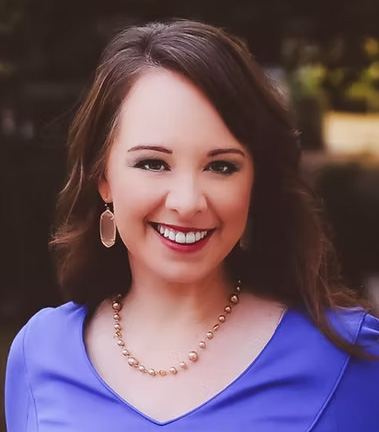
Christina Crenshaw
She previously engaged in public criticism related to transgender people that resulted in an article in the Baylor Lariat.
On April 12, she took to X to claim she was speaking for “folks on the inside who can’t speak freely” of their concerns about the two gay speakers.
“A Christian university is not a neutral marketplace of ideas,” she wrote. “At least, it shouldn’t be. What it should be is a community of faithful followers of Jesus who are oriented toward simultaneously seeking and upholding truth. The real tension here is not whether Baylor should allow an alternative — albeit theologically unorthodox — event as a rebuttal to TPUSA. Because, yes, Christian universities should welcome civil debate between competing ideologies. We are a people who believe truth prevails, after all. The underlying concern here is this: How does Baylor plan to continue down this ‘debate’ journey without losing its doctrinal touchstone?
“The drift is evident; the anchor less so. Does Baylor still know the difference between permitting speech and platforming ideas that undermine its professed Christian convictions? Between inviting inquiry and standing on orthodoxy? Intellectual diversity is not a substitute for theological clarity.”
By comparison, Crenshaw said she is “indifferent” about the controversial TPUSA event because those are “outside guests.” But the “All Are Neighbors” event involves “internal voices shaping the soul of the university.”
The only “internal” voice named as a speaker is English professor Greg Garrett. Both Robinson and Raushenbush have no formal ties to Baylor.
Baylor administration responds
For its part, the Baylor administration put out a statement saying this: “As an academic institution, Baylor University is committed to ensuring open dialogue and the robust exchange of ideas and perspectives. We hold this commitment along with an obligation to provide a safe and nurturing educational environment within a caring Christian community. The university worked with the student organizations to align the event with institutional policies and procedures.”
Related articles:
Baylor rejects grant to study LGBTQ exclusion in the church
In historic first, Baylor will allow gay Christian advocates on campus
Amid LGBTQ controversy, social work dean ‘steps down’ at Baylor
Coalition of Baylor student groups seek alternative event to TPUSA
Here’s what’s wrong with Baylor hosting a TPUSA event | Opinion by Mark Wingfield
Fear drove Baylor to allow TPUSA on campus, Perryman asserts
Why the Turning Point Baylor rally Is un-Christian | Opinion by Greg Garrett