

I was baptized on the final Sunday before my pastor left my church in 2016.
As a queer person, I had found a church community willing to wrestle honestly with questions about LGBTQ inclusion. The congregation was engaged in discernment. Conversations were happening. People were listening. It felt as though we were moving forward.
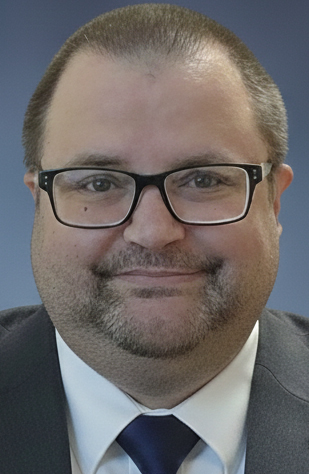
Josh Bledsoe
The next day, my pastor was gone.
What I did not understand at the time was how profoundly that departure would shape the congregation’s future. Pastoral transitions are not simply administrative events. They are losses. Churches lose trusted relationships, familiar voices and stability. Congregations grieve, whether they name that grief or not.
Looking back, I believe my church struggled to deal with the grief of losing its pastor. Instead of naming the loss and working through it, the congregation became more cautious and uncertain. The discernment process around LGBTQ affirmation slowed dramatically. Conversations that once felt possible became harder to sustain. Whether intentionally or not, grief became a reason to postpone difficult conversations.
“Instead of naming the loss and working through it, the congregation became more cautious and uncertain.”
For LGBTQ members like me, that postponement carried consequences. When a congregation avoids grief, it often avoids other forms of discomfort too. Questions about inclusion and belonging became collateral damage of that avoidance. The church’s uncertainty about leadership began to mirror uncertainty about its commitment to LGBTQ affirmation.
What I experienced was not only the loss of a pastor. It was the loss of trust and clarity. The church’s inability to process grief became intertwined with its inability to continue discernment.
I carried two burdens at once: The grief of losing a pastor and the anxiety of wondering whether my place in the church was still secure. What should have been a new chapter instead became seven years of uncertainty. The church did not adopt a welcoming and affirming statement until 2023.
Looking back, I understand those years not only as disappointment, but as religious trauma. Religious trauma is often associated with rejection or exclusion. But it also can emerge through silence, delay and prolonged uncertainty, especially when belonging is constantly in question.
When discernment slowed after my pastor left, I did not experience it as neutral. I experienced it as a question about my worth.
Part of what made this painful was my history. I had been in churches where being LGBTQ was framed as incompatible with faith. I came seeking healing as much as belonging.
That uncertainty changed how I experienced church. I listened differently to sermons. I watched for signals in leadership language. Each new pastor arrived under a shadow of doubt about whether I still had a place. What hurt most was not the pastor’s departure, but the sense that the church lost confidence in its own discernment because of it.
“A church’s commitment to LGBTQ members should not weaken during transition.”
This is where congregational responsibility matters. A church’s commitment to LGBTQ members should not weaken during transition. If a congregation is moving toward inclusion, that work belongs to the church, not to a single leader. When pastors leave, the church does not lose its responsibility to those already in its care.
Transitions are when that responsibility matters most. Congregations must be able to hold grief without letting it derail commitments already under way. Without that clarity, uncertainty becomes personal. It shapes whether people speak openly, trust leadership or believe they belong.
Communication matters. Congregations should regularly affirm where they are in the process and what continues during transition. Silence creates instability, especially for those most affected by outcomes. Listening is also essential. LGBTQ members should be invited into conversations about how transitions are affecting them.
The promise of welcome must outlast leadership changes. When it does not, the consequences are not just institutional; they are personal. I know because I lived it. And once trust is broken, rebuilding it takes far longer than anyone expects.
Josh Bledsoe served as chair of PFLAG Flat Rock/Hendersonville, N.C., from 2014 to 2025, leading more than a decade of advocacy, education and support for LGBTQ individuals and families in Western North Carolina. In 2015, he was honored with the Human Rights Campaign North Carolina Equality Award in recognition of his leadership and commitment to advancing equality at local and state levels.