


Seven men. One woman. And allegations so horrifying there is a temptation to look away. Don’t. Look closely, not only at the men accused, but at what this case reveals about the rest of us.
A former Cornell University student alleges seven current or former members of the Chi Phi fraternity sexually assaulted her over the course of one night in October 2024. The men have not been convicted of those allegations, and at least some have publicly denied wrongdoing. A criminal investigation that previously ended without charges has been reopened, and the Tompkins County district attorney says the evidence will be presented to a grand jury.
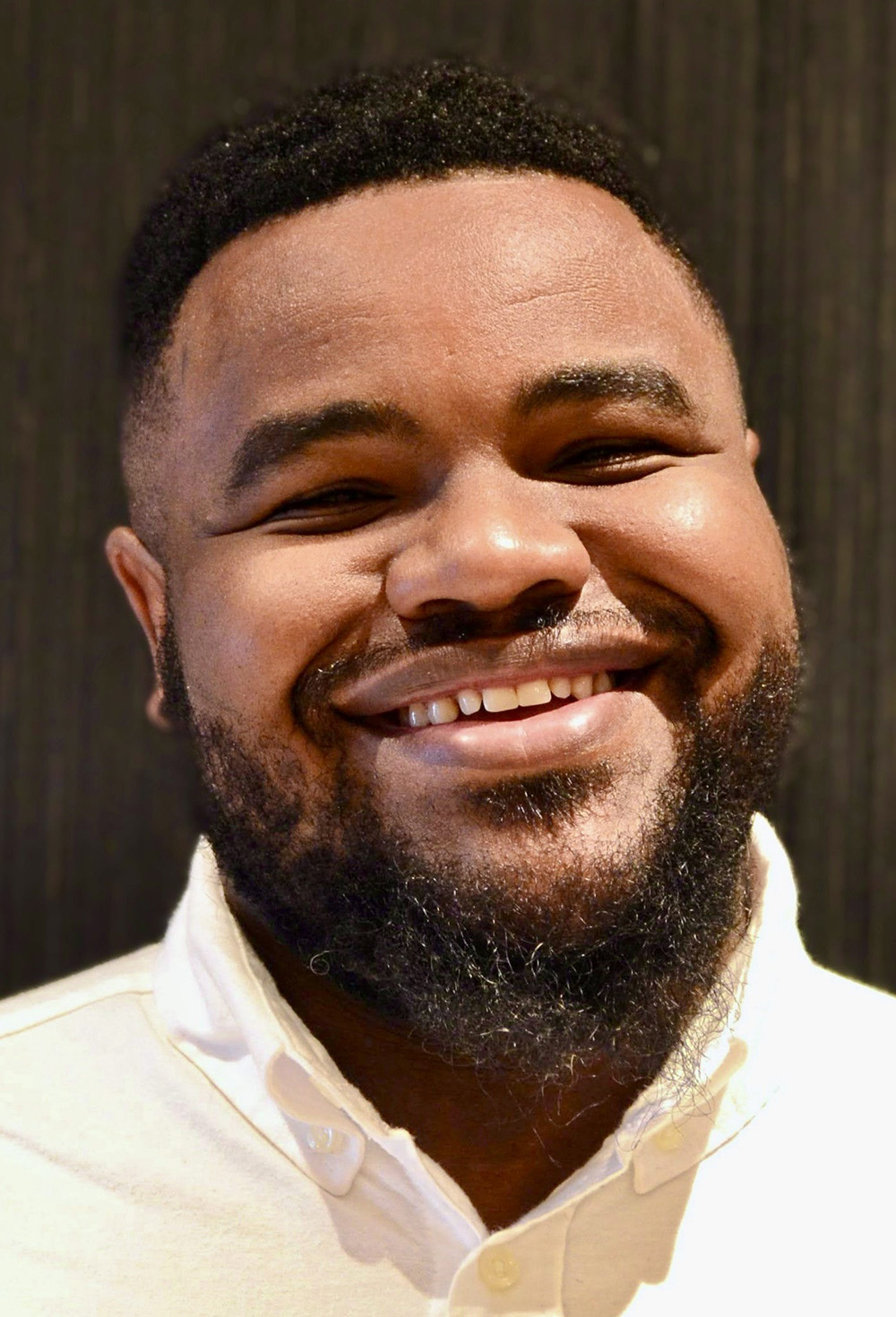
Braxton Wade
The legal process should do its work. But men, we need to do ours.
Because there is a conversation we keep avoiding every time another woman says she was violated, another institution is accused of failing her, another group chat surfaces, another fraternity is suspended, another athlete is accused, another pastor falls, another powerful man explains why what happened wasn’t really what happened.
Enough. Enough violating women. Enough treating women’s bodies like territory to be conquered. Enough confusing access with consent. Enough laughing at the joke. Enough staying quiet in the group chat. Enough knowing your boy is crossing the line and deciding your loyalty to him matters more than the safety of the woman standing beside him. And enough waiting until women are harmed to ask men what we knew.
“Enough treating women’s bodies like territory to be conquered. Enough confusing access with consent.”
There are important facts about the Cornell case that remain contested. The courts need to do their work now. But legal accountability and moral accountability are not always the same thing.
The criminal justice system asks specific questions: What happened? What evidence exists? What statutes apply? What can prosecutors prove?
The moral questions are broader: What do men owe women? What does one man owe another when his friend is behaving dangerously? What does loyalty require when protecting your friend may mean leaving someone else vulnerable? Why don’t men speak up? Why are we more concerned with men’s reputations and careers than a woman’s life?
What responsibility belongs to the person who sees something, hears something, receives the text or reads the group chat? And what responsibility belongs to an institution when someone says, “I was harmed here”? Those questions matter whether a prosecutor ultimately obtains an indictment or not.
Christian and Jewish Scripture already contains a story about this. Her name is Tamar. In 2 Samuel 13, Amnon desires his half-sister Tamar and becomes obsessed with her. But Amnon does not create the circumstances by himself. His friend Jonadab helps devise the plan. Amnon pretends to be sick. David unknowingly sends Tamar into the situation. Servants clear the room without asking why. And Tamar, when she realizes what is happening, does not stay silent. She tells him no. She tells him not to force her, that such a thing is not done in Israel. Amnon rapes her anyway.
“Christian and Jewish Scripture already contains a story about this. Her name is Tamar.”
Afterward, her brother Absalom finds her and asks what happened. Then he tells her to keep quiet: Amnon is her brother, so she should not take it to heart. David hears what happened and becomes furious. And Tamar? Scripture says she lived as a desolate woman.
We often remember this as the story of Amnon and Tamar. But perhaps we have been reading too quickly. Because there are a whole lot of men in that story. One man commits the violence. Another helps create the circumstances. Others leave when they are told to leave. Another learns what happened and responds by telling the woman to be quiet. A powerful father grows furious but does nothing, and Tamar remains desolate.
The violence belongs to Amnon. But the failure surrounding Tamar is much larger than Amnon. And when that silence finally breaks, it breaks into vengeance, not justice. Absalom later kills Amnon, and the family shatters. The answer to silence never was revenge. It was a man speaking up early enough to matter.
This is what we need to address. Because we have allowed men to define respecting women almost entirely by what we personally do not do. “I would never rape a woman.” Good. That is an extraordinarily low bar for human decency, much less Christian discipleship.
The harder question is what you do when another man disrespects a woman in your presence. What happens when the joke is told? What happens when the group chat changes? What happens when she is clearly too intoxicated? What happens when your friend starts treating consent like an obstacle to overcome rather than a boundary to honor? What happens when the man involved is your fraternity brother, teammate, coworker, pastor, son or best friend? Do the rules change because you love him? That is where accountability gets expensive.
If I say I respect women but remain silent while another man degrades one, what does my respect mean? If I proclaim that women bear the image of God but become primarily concerned with protecting a man’s reputation when a woman reports harm, what does imago Dei mean? If our churches preach sexual morality but never form men willing to confront other men, what exactly have we formed? Maybe the church’s first lesson about sex should never have been merely “Don’t.” Maybe it should have been, “That body does not belong to you.”
What is enough?
Enough cannot simply mean, “Don’t rape women.” Enough means women are fully human. Enough means their bodies are not ours. Enough means consent matters. Enough means vulnerability is never an invitation. Enough means when your boy crosses the line, you stop him. Enough means brotherhood does not require silence. Enough means we stop asking women to carry the consequences of men’s choices.
Tamar has carried enough. Women have carried enough. Men, enough is enough.
Braxton Wade is a Clemons Fellow with BNG. He is a graduate of the University of Richmond and Chicago Theological Seminary and lives in Richmond, Va. He is currently a Ph.D. student at Yale Divinity School.
Related:
Dear men, it is time to wake the hell up | Opinion by Mark Wingfield