


One hundred twenty-two babies. One hundred twenty-two new beginnings. And fathers who spent months defending a nation while missing the first moments of their children’s lives.
On Oct. 8, 2026, the USS Abraham Lincoln returned to San Diego after 321 days deployed, including a remarkable 265 consecutive days at sea. Nearly 11 months away from home, the aircraft carrier and its strike group completed a demanding mission that tested the limits of military endurance.
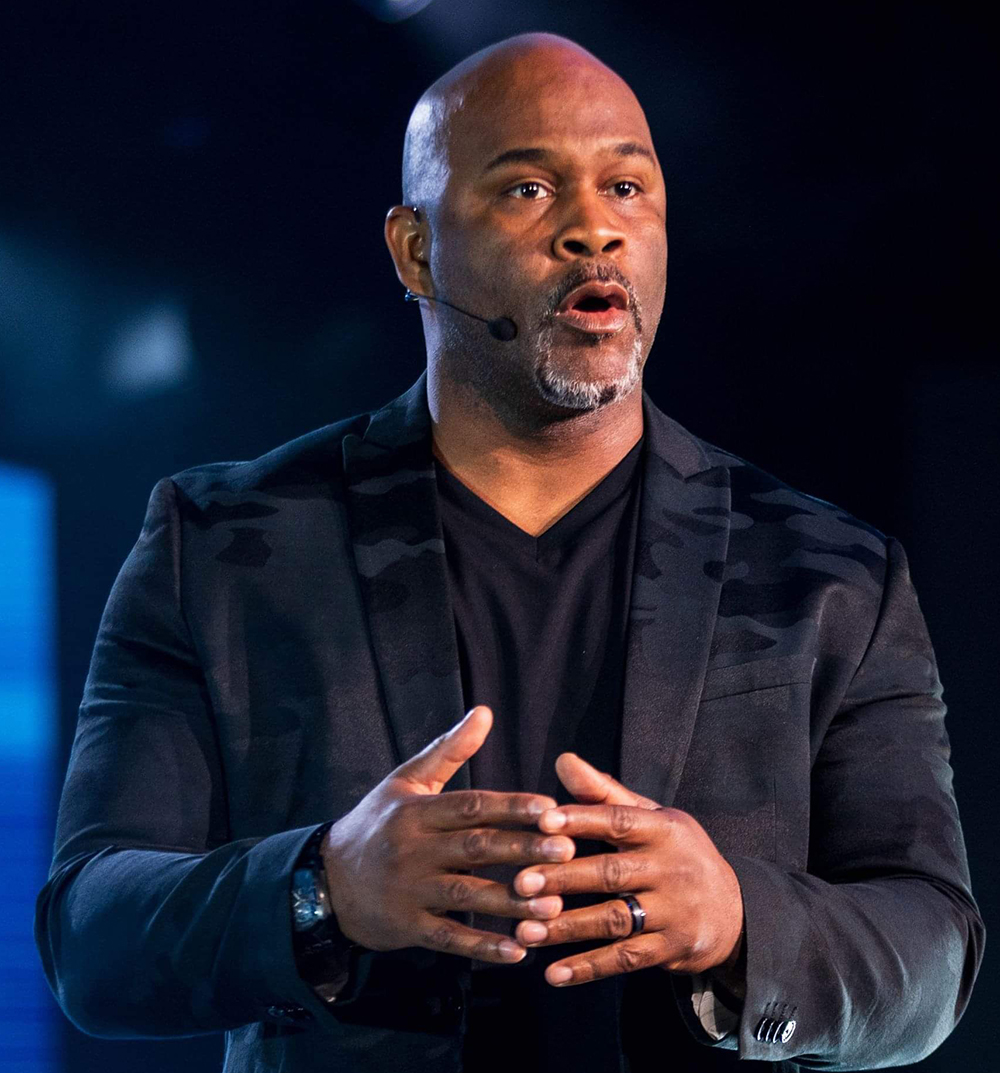
Edmond W. Davis
According to CNN’s Oct. 8 coverage, 122 babies were born to families of sailors in the carrier’s shipboard and air-wing community during deployment. Not every father had necessarily missed his child’s birth, but many were preparing for their first face-to-face meeting. Imagine defending your country while your newborn learns to recognize everyone except you.
One sailor described taking fatherhood classes aboard the ship. He had watched his daughter grow through photographs but had never changed a diaper. His excitement was accompanied by understandable fear. These young Americans were trained for combat. But who adequately prepared them for the emotional battlefield of returning home?

Brenda Rivas pushes her 7-month-old daughter Evie Rivas in a stroller as they find their seats on the bleachers before the USS Abraham Lincoln returns to port at Naval Air Station North Island after 322 days of deployment on Thursday, Oct. 8, 2026. Evie Rivas had not met her father, sailor Steven Rivas. (Photo by Luke Johnson / The San Diego Union-Tribune via Getty Images)
The Lincoln was deployed on Nov. 21, 2025. What began as a scheduled Pacific deployment became an extended wartime mission involving operations against Iran. According to USNI News, the strike group conducted 3,693 sorties and received the Presidential Unit Citation, one of America’s highest military unit honors. Defense Secretary Pete Hegseth acknowledged personally approving two deployment extensions.
But recognition cannot replace accountability. Reports described food shortages, resupply difficulties, plumbing problems and eight suicide attempts during deployment. Those reports deserve careful investigation, without assuming every sailor experienced the same conditions or psychological consequences.
The crew included many young adults. For sailors around age 23, largely members of Generation Z, prolonged separation may mean missing births, anniversaries, graduations and critical family milestones. A uniform does not eliminate human needs.
Hegseth’s announcement of the Presidential Unit Citation came Oct. 7, just one day before the ship’s homecoming. The following day, he publicly supported a firing-squad execution and livestream for convicted Fort Hood murderer Nidal Hasan.
The contrast is striking: One day celebrating exhausted sailors, the next discussing an execution for public viewing. As a Christian, I question what such messaging communicates about the sanctity of human life.
With November’s congressional elections approaching, Americans should ask whether political considerations influenced the timing of Lincoln’s return.
There is no established evidence that the elections caused its homecoming. Still, the question deserves transparent answers about operational decisions, deployment limits and leadership accountability. Why were two extensions necessary? What alternatives were considered? Could relief have arrived sooner?
The Pentagon should provide answers grounded in military necessity, not political convenience.

Family and friends including Alexandra Jordan (L) await the arrival of the USS Abraham Lincoln Nimitz-class aircraft carrier at its homeport at Naval Air Station North Island on return from its historic 10-month deployment on October 8, 2026, in Coronado, California. (Photo by Mario Tama/Getty Images)
What happens after the welcoming ceremonies end? The military already maintains resources through Fleet and Family Support Centers and Military OneSource, including counseling, parenting assistance, financial education and reintegration support. But access does not guarantee effective care.
Commanders should ensure returning personnel receive medical assessments, confidential mental-health support, family counseling, financial-literacy education and adequate recovery time. Their supervisors must understand that readiness includes emotional stability and healthy relationships.
For those transitioning into civilian life, employment assistance is equally essential. Give these sailors and Marines time to reconnect with their spouses, children and humanity before considering another demanding deployment.
The USS Abraham Lincoln is finally home. Bringing her crew back was necessary, but America must do more than applaud their arrival.
Do not confuse a decorated service member with a fully recovered human being.
Let these Americans rediscover fatherhood, motherhood, marriage, friendship, community and peace. Because 122 babies are waiting for something no military decoration can provide. Their fathers. Those fathers deserve the chance to be fully present.
Edmond W. Davis is a social historian, journalist, professor and documentary host. He is founder of the National HBCU Black Wall Street Career Fest. A native of Philadelphia, he lives with his wife and son in the Little Rock, Ark., area. Davis is committed to cultural empowerment and educational equity through storytelling and civic engagement.