


More than 20 years ago, Queen Padmé Amidala, portrayed by Natalie Portman in Star Wars: Episode III – Revenge of the Sith, delivered a line that has aged like prophecy: “So this is how liberty dies — with thunderous applause.”
Back then, it was a warning about manufactured crisis, emergency powers and a republic seduced into surrendering its own guardrails. Today, that line feels less like science fiction and more like political commentary.
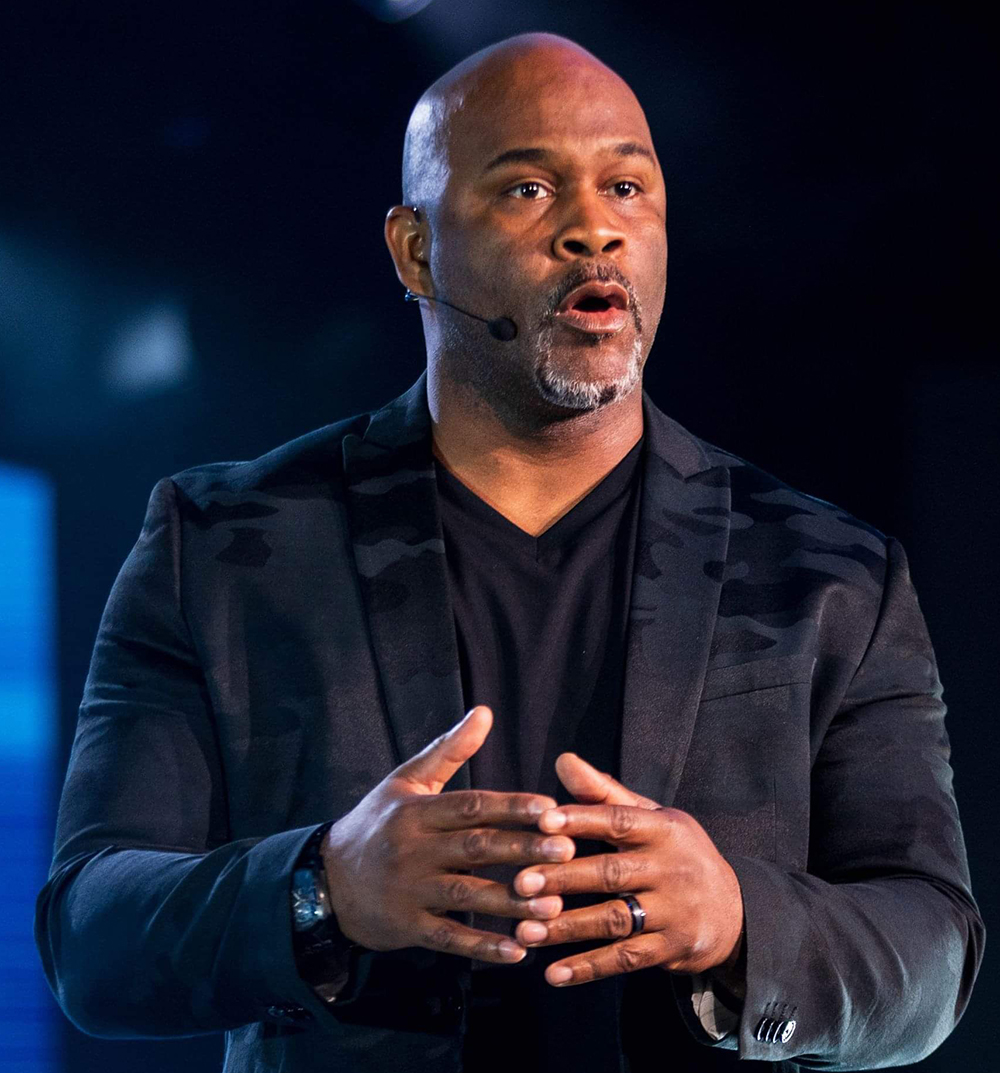
Edmond W. Davis
Because here we are — nearly 250 years into the American experiment — cheering executive excess while pretending it’s patriotism. No kings, we say. No monarchs, we chant. And yet, when the robes and flags come out, many Americans clap like citizens of Naboo watching Senator Palpatine accept “temporary” emergency authority.
The analogy writes itself.
The American Sith Lord doesn’t arrive with a red lightsaber. He arrives with a red tie. Donald Trump, much like Palpatine, mastered the art of grievance politics — manufacturing crisis, demonizing institutions, presenting himself as the only figure strong enough to “restore order.” The applause is real. The danger is quieter.
“Many Americans clap like citizens of Naboo watching Senator Palpatine accept ‘temporary’ emergency authority.”
Recent developments only sharpen the concern. In 2024, the U.S. Supreme Court expanded presidential immunity for “official acts,” a ruling many constitutional scholars warned could weaken accountability and tilt the balance of power decisively toward the executive. Supporters hailed it as protection against political prosecutions; critics called it the legal equivalent of Clone Wars emergency powers — lawful on paper, corrosive in practice.
(See analysis from the Brennan Center for Justice and constitutional law scholars.)
That ruling didn’t create authoritarianism; it removed friction — the kind of friction that keeps republics alive.
And then there’s the foreign policy whiplash.
America condemns Russia for invading Ukraine. Rightly so. It warns China against military aggression toward Taiwan. Also justified. But when the United States discusses regime change in Venezuela, threatens control over oil resources or floats extraterritorial prosecution of foreign leaders, the moral compass starts spinning like a broken astromech.
Let’s be precise. Venezuela holds the world’s largest proven oil reserves — roughly 303 billion barrels, according to the U.S. Energy Information Administration.
That fact alone explains why rhetoric escalates quickly whenever Caracas enters Washington’s conversation. This is not about sudden concern for democracy. This is about strategic resources wrapped in humanitarian language.
Yes, Nicolás Maduro governs poorly. Corruption, repression and economic collapse are real. But here’s the uncomfortable truth: Moral failure does not grant legal permission. International law does not contain a clause that reads, “If he’s a bad guy, do whatever you want.”
“International law does not contain a clause that reads, ‘If he’s a bad guy, do whatever you want.’”
When U.S. officials suggest Maduro could face justice in American courts, the implication is staggering. Foreign presidents can be held accountable in our system but American presidents remain shielded for actions taken abroad? If that is the standard, then law has become a costume, not a principle.
That’s not the rule of law. That’s galactic favoritism.
Now enter the apprentice narrative. In Star Wars, Anakin Skywalker didn’t start as Darth Vader. He became Vader through constant exposure to fear-based logic, righteous violence and a leader who told him rules were obstacles to destiny. Today, media personalities and political allies echo a similar rhythm — invoking God, country and “lethality” in the same breath.
Take Pete Hegseth, a vocal Trump ally and prominent advocate of militarized patriotism. His frequent appeals to Christian faith sit uncomfortably beside language celebrating killing power and permanent war readiness. The contradiction isn’t theological, it’s historical. Empires always baptize violence. The cross has been used to bless the sword since Rome.
Humor aside, the pattern is serious.
Manufactured crisis leads to expanded power. Expanded power invites applause. Applause replaces scrutiny. And scrutiny — once gone — is very hard to reclaim.
The United States has intervened abroad before: Noriega in Panama, bin Laden in Pakistan, drone campaigns across the Middle East and Africa. Those actions were controversial, but they were generally framed as limited, targeted and temporary. What alarms many observers now is the shift in tone — from intervention to entitlement, from security to ownership.
When talk moves from “stability” to “their oil,” the mask slips.
Biblically speaking, the warning lights are flashing.
The prophet Isaiah cautioned: “Woe to those who make unjust laws, to those who issue oppressive decrees.”
Proverbs reminds leaders: “When the righteous are in authority, the people rejoice; but when the wicked rule, the people groan.”
“We cannot condemn authoritarianism abroad while normalizing it at home.”
And Jesus’ own words cut through empire logic entirely: “What does it profit a nation to gain the whole world and forfeit its soul?”
America’s soul is not lost yet — but it is being mortgaged.
We cannot condemn authoritarianism abroad while normalizing it at home. We cannot mock kings while crowning executives. And we cannot pretend thunderous applause is the same thing as consent.
In Revenge of the Sith, the crowd roared as liberty quietly expired. The Republic didn’t fall in a single blow — it was applauded into submission.
History is watching us now. The question is whether we recognize the scene before the credits roll.
Because if we don’t, the next line won’t be spoken by Padmé.
It will be written about us.
Edmond W. Davis is a social historian, educator and nationally published opinion writer. His work focuses on institutional equity, African American history, wealth concentration and the social responsibilities of power. He is widely recognized for his scholarship on HBCUs, public history and transformational leadership. He is the founder of America’s only National HBCU Black Wall Street Career Fest experience.
Related articles:
Why most bow | Analysis by Lewis Brogdon
Praise the Lord and pass the ammunition | Analysis by Alan Bean
Before you celebrate Maduro’s capture, consider this | Opinion by Mark Wingfield