


Not every headline out of Washington, D.C., or Northern Virginia is about division, Donald Trump or American dysfunction. Every now and then, the light breaks through the legislation and press conferences.
Just miles from the corridors of power, in Alexandria, Va., a historic Black Baptist church has done what entire systems often struggle to do: change people’s lives overnight.
Easter Sunday was high and holy when Howard-John Wesley, senior pastor of Alfred Street Baptist Church, announced the church would give more than $1 million to erase rent debt and stop 338 evictions in public housing.

Howard-John Wesley
Under the leadership of Wesley, Alfred Street is becoming the kind of church where faith is expected to move — not eventually, not abstractly, but concretely.
For almost 18 years Wesley has preached a gospel that calls people beyond comfort. But what’s unfolding now is deeper than preaching — it’s discipleship.
Week after week, the growing congregation is being shaped to believe what they confess on Sunday should confront reality on Monday. That their faith should cost something. That it should do something. That they must fight the temptation of falling for a rotten religion.
So when hundreds of families found themselves on the brink of eviction, Wesley and Alfred Street stepped in with an extraordinary gift.
And it’s worth saying: This kind of leadership and faithfulness hasn’t come without scrutiny.
Not long ago, Wesley and Alfred Street Baptist Church found themselves at the center of a national debate after a sermon clip addressing the death of Charlie Kirk went viral.
In that moment, Wesley did what Black preachers always have been called to do: hold tension. He condemned the violence — clearly and without hesitation. But he also refused to sanitize a life marked by rhetoric that harmed others, pushing back against the rush to venerate Kirk as a hero. That sermon traveled far and wide, drawing both affirmation and outrage. And whether we acknowledge this or not, it reminded everyone watching that this is not a ministry interested in being safe.
“You don’t get a church bold enough to give away $1 million to stop evictions without first being a church willing to tell the truth when it’s costly.”
But here’s the connection that can’t be missed: You don’t get a church bold enough to give away $1 million to stop evictions without first being a church willing to tell the truth when it’s costly. This is the same leadership and the same conviction.
This moment didn’t start with a check. It started with a fast Wesley calls SEEK — an all-church fast that invites people to give something up (habits, comforts, spending) not just for personal reflection, but for communal impact.
And what could have remained a private spiritual discipline became something else entirely. It became provision. Resources that would have been spent elsewhere were redirected.
Small sacrifices, multiplied across a congregation, became something substantial. And over time, that collective discipline became $1 million. That’s the part that matters. This is what happens when fasting doesn’t just change your appetite or eating habits but changes your priorities and your heart.
There is a long memory at work here. The Black church never has had the luxury of separating salvation from survival. It always has known the gospel has to touch bodies, homes and communities — not just souls. So this moment is not an anomaly, it is inheritance.
Alfred Street is displaying a continuation of a tradition that asks, again and again:
Who is in danger? And what will we do about it?
Let’s be clear: This doesn’t fix everything.
There are still structural issues, still gaps, still questions about what happens next. But something shifted and families who were bracing for displacement are now breathing.
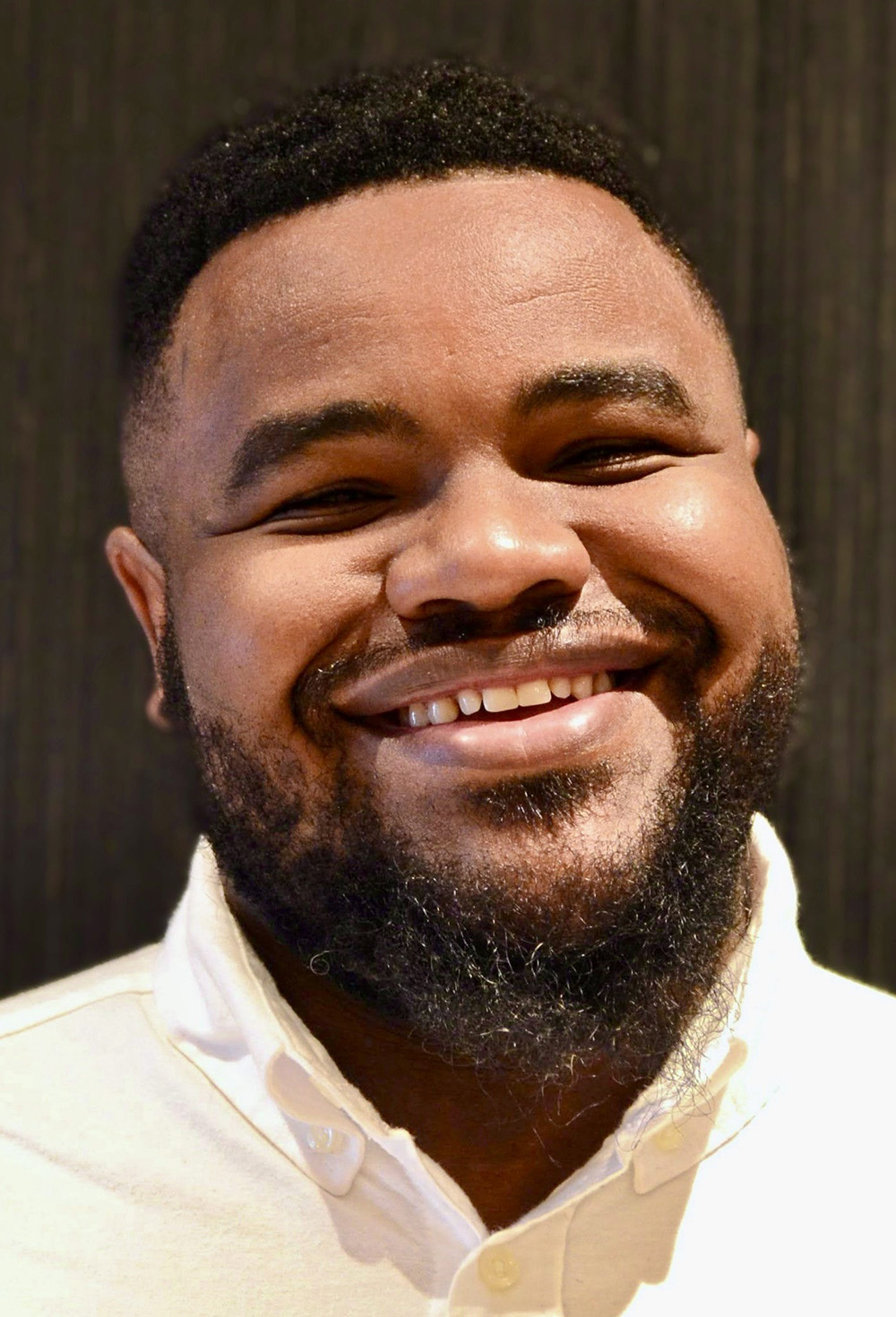
Braxton Wade
Braxton Wade is a Clemons Fellow with BNG. He is a graduate of the University of Richmond and Chicago Theological Seminary and lives in Richmond, Va.