


I am divorced. There, I said it.
It has taken me five years to write those three words publicly. Five years of learning how to tell my story without telling “that” part of my story. Five years of talking about transformation, wilderness, grief, resurrection and the faithfulness of God while carefully stepping around one of the experiences that transformed me most. Five years of learning how to walk without letting anyone see my limp. And then, a few weeks ago, I accidentally showed it.
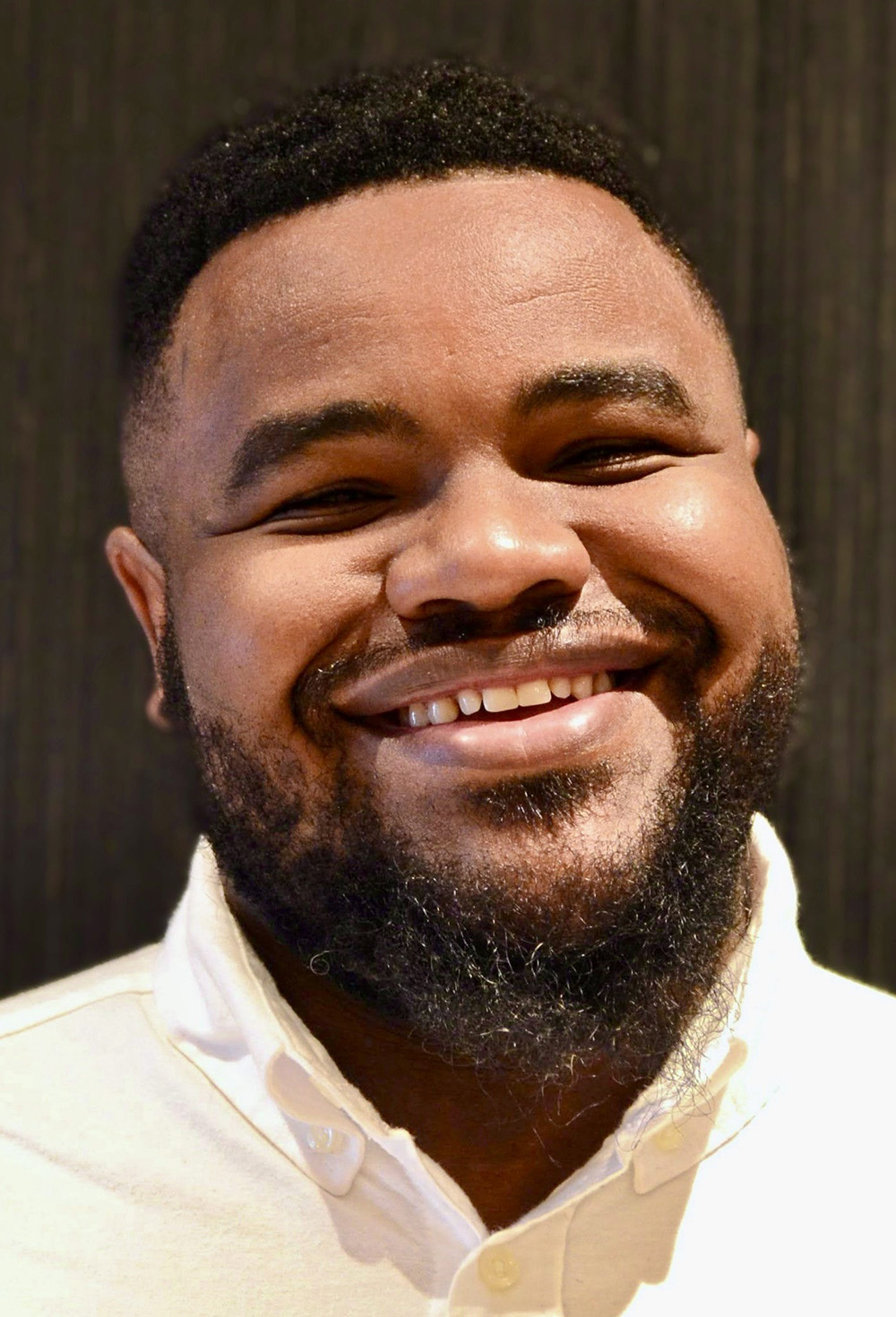
Braxton Wade
I was interviewing for a senior pastor position at a mid-sized progressive church. It was the third round of interviews, this time with all members of the search committee in person. Things were going well. Really well. The synergy was tangible, and the hope about our future together was palpable. They were smiling. Nodding. Occasionally looking at one another in that unmistakable way people do when they don’t want to interrupt the conversation, but their faces seemed to be saying, “This could be our next pastor.”
If I’m honest, I liked them, too. For a moment, I let myself wonder what neighborhood I might move to in this community. I legitimately let my heart feel like this might be the church.
Then they asked me how I believed COVID-19 changed the church and my thoughts on the future of their specific church in a post-pandemic environment. I started my answer with something I deeply believe: “Before transformation can ever happen in the church, it first has to happen in us.” And then I told the truth.
In March 2020, I preached the last sermon I would preach at Second Baptist Church in Richmond, Va., before the world shut down. Psalm 121. “I lift up my eyes to the hills — from where will my help come?”
What nobody sitting in that sanctuary knew was that two days earlier, I had come home to divorce papers sitting on my dining room table. Friday, the life I thought I knew was unraveling. Sunday, “My help comes from the Lord.”
“The congregation at Second Baptist couldn’t see my limp. I had gotten very good at walking straight.”
I put on my Sunday clothes. I reviewed my manuscript. I stood behind the pulpit and preached about a God who neither slumbers nor sleeps while privately wondering why God had fallen asleep on my marriage. Nobody knew. The congregation at Second Baptist couldn’t see my limp. I had gotten very good at walking straight.
Five years later, sitting in front of a search committee deciding whether I might become their pastor, I recalled this story for them. I said the word. Divorce. The room shifted. I want to be fair here. I cannot understand everything those committee members were thinking. I cannot know every conversation that happened after our interview or everything that ultimately shaped their decision. I can only tell you what I experienced. The smiles disappeared. The nodding slowed. The warmth left the conversation. We wrapped up not long afterward.
Less than 24 hours later, the email arrived: “Thank you for your interest. God is leading us in another direction.” And immediately, I knew who to blame. Me. Why did I bring up divorce? Why couldn’t I just choose a different answer? Why did I expose my deepest insecurity? For the next several days, I felt exposed. As though for five years I had successfully hidden a scarlet letter underneath my clergy robe and, for one careless moment, allowed somebody to see it. D. Divorced. And underneath that word was another one I had never quite been willing to say aloud: Disqualified. But eventually I realized something.
The search committee didn’t give me my shame. They exposed it. They revealed something I had been carrying long before I ever saw their faces. I was ashamed of my divorce. There is no other way to say it. I was ashamed to tell people. Ashamed to acknowledge the hurt. Ashamed that my life had not turned out the way I thought it would. And, if I’m honest, ashamed because I knew what the church could do with those three words: He is divorced.
I have spent much of my life in church. I know how quickly those words can become theology. How quickly a chapter of someone’s life can become a verdict on their character. How quickly we can turn something someone experienced into evidence that they are somehow less faithful, less trustworthy, less called. Especially clergy. We have a strange relationship with wounded pastors.
“We want pastors who can sit beside broken people, but we are suspicious when they have been broken themselves.”
We want pastors who can sit beside broken people, but we are suspicious when they have been broken themselves. We want pastors who understand grief but don’t carry too much of their own. We want pastors who can counsel marriages in crisis but become nervous when their own marriage did not survive. We want pastors who can tell people that failure is not final while presenting lives that suggest they have never failed. We want pastors who have wrestled with God. We just don’t want them to limp.
I keep coming back to Jacob. He wrestled with God through the night. He struggled. He held on. He demanded a blessing. And when morning came, Jacob had a new name. He had a blessing. He had encountered God face to face.
And he limped. Jacob did not limp because God abandoned him. Jacob limped because he had encountered God. The wrestling changed the way he walked. Morning came. The sun rose. God blessed him. And Jacob still limped. Apparently, transformation did not mean getting his old walk back. The encounter left evidence.
And maybe that is what I have misunderstood about my own story. For years, I thought healing meant learning how to walk as though the divorce never happened. Maybe healing is finally being willing to admit it did.
I am divorced and I am called. Both things are true. I am divorced and I still know something about the faithfulness of God. Both things are true. And somewhere in the darkest nights of my life, I wrestled with God and discovered God was still there. Both things are true.
But the story I shared with the committee isn’t only about the limp the congregation couldn’t see. It raises a more troubling question: What kind of church are we creating if everybody has to pretend they walk straight?
“What kind of church are we creating if everybody has to pretend they walk straight?”
How many people smiled at me after the benediction, told me it was a good sermon and then limped back to their cars carrying something they believed they never could say inside the sanctuary? How many were hiding wounds of their own? Maybe our sanctuaries always have been filled with limping people pretending to walk straight. I was simply one of them.
Because somewhere along the way, privacy and shame became tangled together for me. For five years, I thought silence was privacy. I am beginning to understand that some of my silence was shame.
There are things about my divorce that will remain private. There are pieces of that story that belong to other people, and they are not mine to tell. There are details I do not owe the public, a congregation or a search committee. But privacy is not the same thing as shame. It has taken me five years to learn that. I can protect what is sacred without pretending it never happened. I can honor another person’s story without erasing my own. I can say, “I am divorced,” without offering the world an explanation for why.
Because the truth is, my divorce changed me. It hurt me. It humbled me. There were nights when I wondered what God was doing. There were parts of myself I had to meet that I would rather have avoided. There were things I had to grieve. There were prayers that felt unanswered. There were things for which I had to forgive myself. I wrestled. And the wrestling changed my walk. But it did not take away my call.
When someone sits across from me and says, “My life didn’t turn out the way I thought it would,” I know something about that. When someone tells me they prayed and the marriage still ended, I know something about that. When someone wonders whether God can still use them after their life has fallen apart, I don’t have to reach immediately for a theological answer. Sometimes I can simply sit there.
“Maybe the church does not need pastors who have perfected the art of appearing unwounded.”
Because I know what wrestling feels like. And maybe that matters.
Maybe the church does not need pastors who have perfected the art of appearing unwounded. Maybe our people don’t need us to pretend. Not because every wound should become a sermon illustration. Not because suffering automatically makes someone wiser. Not because pastors owe congregations every private detail of their lives. But because we cannot keep preaching a gospel of grace while creating cultures where people are terrified to tell the truth about the places where they have needed it.
When the resurrected Jesus appears to Thomas, the wounds are still there. Resurrection has happened. Death has been defeated. The stone has been rolled away. The tomb is empty. Christ is alive. And the wounds remain.
Maybe the church should pay attention to the body of the Christ we worship. Because we proclaim resurrection while sometimes demanding that people hide anything that looks like Friday. We want a risen Christ without scars. Blessing without wrestling. Redemption without evidence of what needed redeeming. Pastors without limps. But the risen Christ has scars. Jacob limps. And so do I. A gospel that requires us to hide the evidence of our wounds isn’t the gospel I know.
I don’t know why that church decided not to call me. Maybe my divorce had nothing to do with it. Maybe it did. I may never know. I am divorced. I am called. And yes, I still limp. But resurrection never asked me to walk straight.
Braxton Wade is a Clemons Fellow with BNG. He is a graduate of the University of Richmond and Chicago Theological Seminary and lives in Richmond, Va.