


“My end goal is heaven on earth now.”
Aurelia Davíla Platt said it with the kind of conviction that makes a preacher want to reach for a microphone. Not because the words were new, but because she seemed determined to take them seriously.
Not heaven when we die. Not heaven after the world has burned itself down. Not some distant promise that lets Christians ignore the suffering outside the sanctuary doors.
Heaven. On earth. Now.
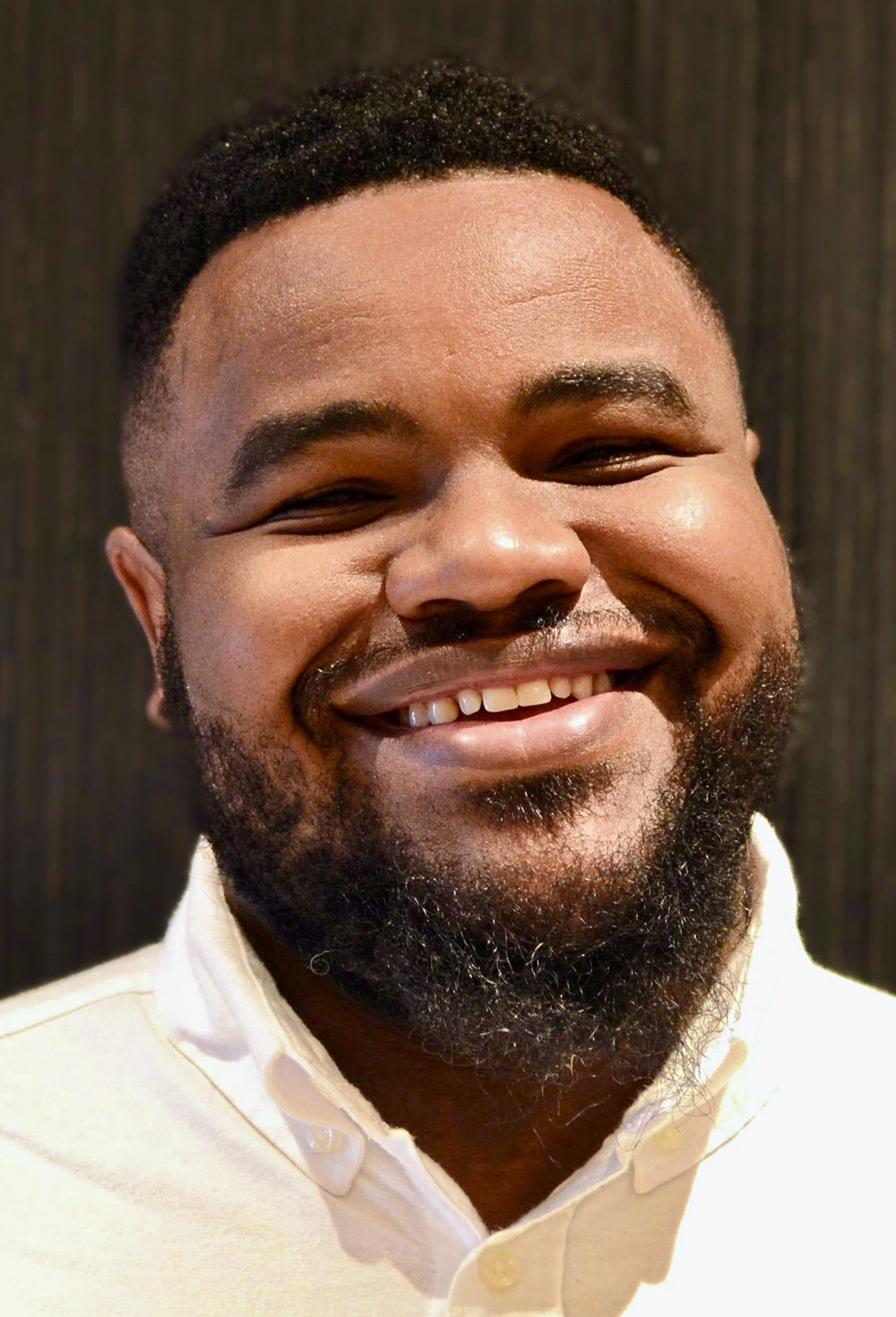
Braxton Wade
She says she asks progressive Christians what their end goal is, and her own answer isn’t a comfortable one. “My end goal isn’t let me find a club where everyone thinks like me.”
Well, that’ll preach.
I’ve spent my life in the space between camps. I went to seminary in Chicago and cried through my first three weeks because I was being taught to unlearn language that, to me, was the backbone of the Black Church. I’ve served a church plant full of people who had deconstructed, reconstructed or couldn’t quite believe it at all. I’m too progressive for some of my conservative friends and, apparently, too fond of Jesus for some of my progressive ones.
So when Platt told me she’s a “paradox person,” someone who believes “many things can be true at once,” I knew exactly what she meant.
She knows something about holding tension. Originally from Louisiana, she moved to Texas in 2008 to attend Baylor’s Truett Theological Seminary, earning a master’s degree in social work at the same time as a master of divinity degree. In 2012, she joined a team planting a church north of Austin in Williamson County, where, she told me, there wasn’t a single female pastor in the whole county, the fastest-growing county in the country at the time.
So they planted a church with one.
She began as an associate pastor. When the founding pastor left for a post with the Cooperative Baptist Fellowship, she became lead pastor for seven years. Thirteen years of ministry took her through presidential elections, a pandemic and the slow work of making room for people church had wounded.
When I asked how she carries a Baylor education alongside an institution that keeps making headlines, she didn’t flinch. Truett taught her how to think, not what to think. It’s a huge system that won’t change easily, she said, but there are good people inside it, and she tries to support them.
About a year ago, she stepped away from the pulpit. “I wasn’t tired of church, but I was just tired of being in charge of creating it,” she said.
Anyone who has led a congregation knows that difference.
She needed rest, and life didn’t cooperate. A parent with dementia moved into assisted living, and the caregiving has been intense ever since. She still says yes when pastor friends ask her to guest preach, so they can take a Sunday off. And through it all, she kept coming back to poetry.
“Poetry is just literally how I experience healing and how I experience energy and how I get fuel,” she said.
“She wrote sermons from the poems. Now the poems are the sermon.”
For years, poetry was part of her sermon process. She wrote poems from her biblical study, which she calls “spoken word exegesis,” and then wrote sermons from the poems. Now the poems are the sermon.
I think that’s wonderfully subversive. For generations, we’ve fought over who gets to interpret Scripture, who gets to preach and whose questions threaten the institution. Platt is building a room where you can meet the text without first defending your place at the table. She knows some people hear the cadence of a sermon and shut down before the first sentence lands. So she’s speaking another language.
That language is Come and See, a two-act show of poetry, video, music and monologue she describes as what you’d get if theater and spoken word had a baby with media.
The first act is permission: to step into the room, to ask questions, to make curiosity the foundation of your faith, to hope.
The second is more provocative, challenging interpretations we inherited. In it she builds the text on a felt board, the kind we remember from Sunday school, while a friend plays sound bowls and behind them are shown videos by collaborator Brandon Hill.

Aurelia Davíla Platt
The show takes its name from a poem that begins: “Come and see how the world is still worthy of our devotion.”
I told her it sounded like a benediction, the yes and amen at the end of the service, and asked why she’d start there. She told me it actually sits at the center of the piece. And then she added a caution I haven’t stopped thinking about.
It is a privilege, she said, to say the world is still worthy of devotion, and she wants people to hear that. But she doesn’t see how any of us sustain the work of justice on outrage alone: “I don’t know how we sustain this work if we’re not drinking the good stuff.”
I know that thirst. I once saw John Mark McMillan play at the Canal Club in Richmond, gin and tonic in hand, listening to a man sing about how he loves, and thought: This is church. At least this is how I want to do it. Platt is chasing something similar. The artistry isn’t the point. The invitation is — a gentle way in for people who have decided they can’t come back.
I asked whether she still believes in the local church.
“I believe in the power of community and I believe that church exists and that there is power in that,” she said. “And I don’t understand leaving it in hands that I don’t trust.”
For some, healing means staying away. But she won’t surrender the idea that a community of faith can still be where God’s love takes on flesh.
When I asked what gives her hope, she didn’t point to an institution or a leader or a movement.
“I find hope in good people doing good things,” she said.
She is booking Come and See now. A friend is bringing her to Houston in early 2027, and she hopes to take it to other churches and faith communities. She wants people to leave with hope, not because the world got better, but because they’ve remembered what’s available to them.
“You’re gonna leave feeling hopeful, not because the world suddenly got better, but because you realize you have access to divine resources,” she said.
Braxton Wade is a Clemons Fellow with BNG. He is a graduate of the University of Richmond and Chicago Theological Seminary and lives in Richmond, Va. He is currently a Ph.D. student at Yale Divinity School.