


The Alliance of Baptists has been in a season of discernment following the departure of its co-directors, a leadership transition denominational leaders say will be shaped by listening, trust and a renewed focus on racial justice within its congregations.
In a recent conversation, Lisa Dunson, president of the Alliance’s board of directors, described the moment not as an unexpected crisis to be managed but as an invitation to listen more deeply to the churches that make up the Alliance.
“We’re going to listen,” she said, pointing to three sessions planned during the Alliance’s April annual gathering in Chicago. “We want to hear what our churches need in this moment.”

Lisa Dunson
The Alliance of Baptists long has been known for its progressive witness among Baptist bodies, particularly in its advocacy for LGBTQ inclusion, justice work and congregational autonomy. But this leadership transition comes at a time when the Alliance also is confronting more directly its own internal challenges — especially around race, representation and the composition of its congregations. Dunson named that reality plainly.
While the Alliance has sought to cultivate diverse leadership — including a requirement that each committee maintain at least 40% representation from Black, Indigenous and people of color — its congregational makeup has not kept pace. Dunson noted there are fewer than five active Black churches within the Alliance network. That gap, she acknowledged, raises deeper questions about belonging, access and the limits of institutional commitments to diversity.
“The work in front of us is not just about who sits at the table in leadership,” she said. “It’s about who is in our congregations, who feels welcomed and who this fellowship is truly for.”
The Alliance’s THRIVE, a cohort initiative focused on racial justice and anti-racism work within congregations, has not skipped a beat during all the transition, she said. The program has engaged many of the Alliance’s progressive, welcoming churches — communities that may be theologically open and affirming but still struggling to have honest and sustained conversations about race.
Those tensions surfaced in our conversation as well. I noted to Dunson that while many churches have developed a relational proximity to LGBTQ inclusion — where congregants can name someone they know, love and care about — conversations around race often lack that same nearness.
“When we talk about the LGBTQ community, most of us can think of someone we love,” I said. “But when we talk about race, many of our churches don’t have proximity to people who don’t look like them.” The result, for many congregations, is a justice commitment that can feel abstract — aspirational in language, but harder to embody in practice.
Dunson agreed the challenge is real but pointed to signs of hope emerging across the Alliance, particularly in unexpected places.
She has spent recent months visiting congregations throughout the network, including rural churches that are beginning to engage more deeply with questions of race and complicity.
“Just like in 1987, we are continuing to say yes to our sense of God’s movement through the church in our day.”
“There are some rural churches doing the hard work of looking in the mirror,” Dunson said, “and reckoning with their own complicity in racism and racial injustice.”
That work, she suggested, is neither easy nor immediate. But it signals a willingness among some congregations to move beyond surface-level commitments and toward deeper transformation.
The future of the Alliance, Dunson believes, will be shaped in large part by whether those efforts can take root and spread — and whether the denomination can align its progressive identity with lived, embodied practices of racial justice.
That question also looms over the Alliance’s search for its next leader or leaders.
Dunson spoke with a sense of both gravity and trust about the process ahead, emphasizing the organization is not rushing to fill the vacancy left by the departing co-directors. Instead, the Alliance is choosing to listen first — trusting that the Spirit will move through the voices of its people, she said.
“We trust the Alliance will be who the Alliance has always been,” Dunson said. “Just like in 1987, we are continuing to say yes to our sense of God’s movement through the church in our day.”
Her words reach back to the Alliance’s founding conviction — a willingness to follow the Spirit even when it leads beyond familiar structures — and place that same expectation on the present moment. The small denomination was formed out of the late-20th-century schism in the Southern Baptist Convention.
In a denominational landscape often marked by polarization and decline, the Alliance’s approach stands out — not because it offers easy answers, but because it is willing to dwell in the complexity of the moment, even when it’s messy.
The coming months will test whether listening can lead to meaningful change and whether a fellowship that has long advocated for justice outwardly can continue the harder work of embodying that justice within.
For now, the Alliance of Baptists is choosing a slower path — one shaped by listening sessions, congregational voice and a fragile but persistent hope that transformation is still possible.
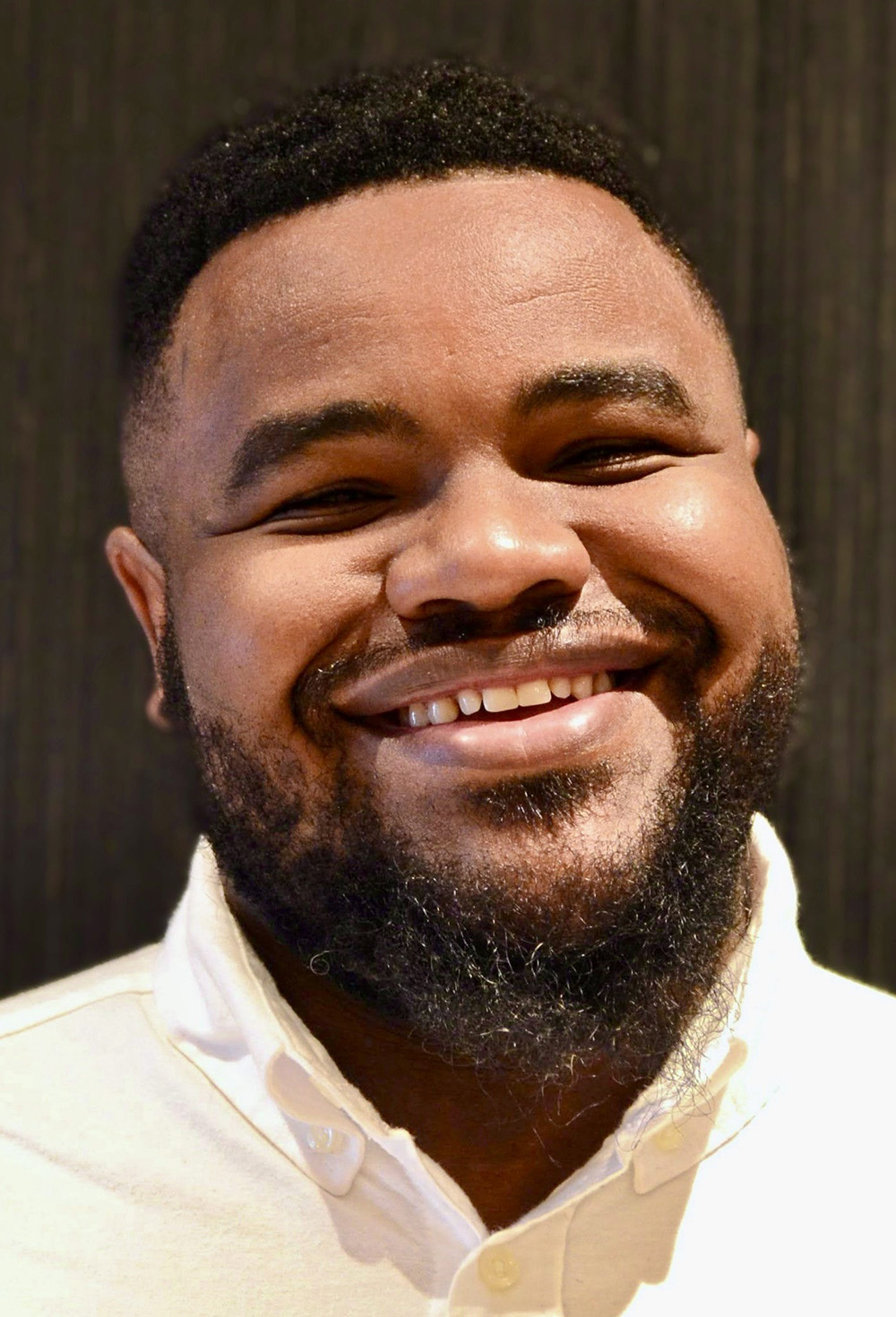
Braxton Wade
Braxton Wade is a Clemons Fellow with BNG. He is a graduate of the University of Richmond and Chicago Theological Seminary and lives in Richmond, Va.