


This wasn’t the In Conversation I thought I would sit down and write this week. I did not plan to interview my grandmother from a hospital chair.
The room was quiet in the way hospital rooms often are — machines humming, voices lowered, time stretching in ways you can feel but not measure. I had come to sit with her, not to ask questions.
But before long, it became clear I was not just in the room with my grandmother. I was in the presence of a witness.
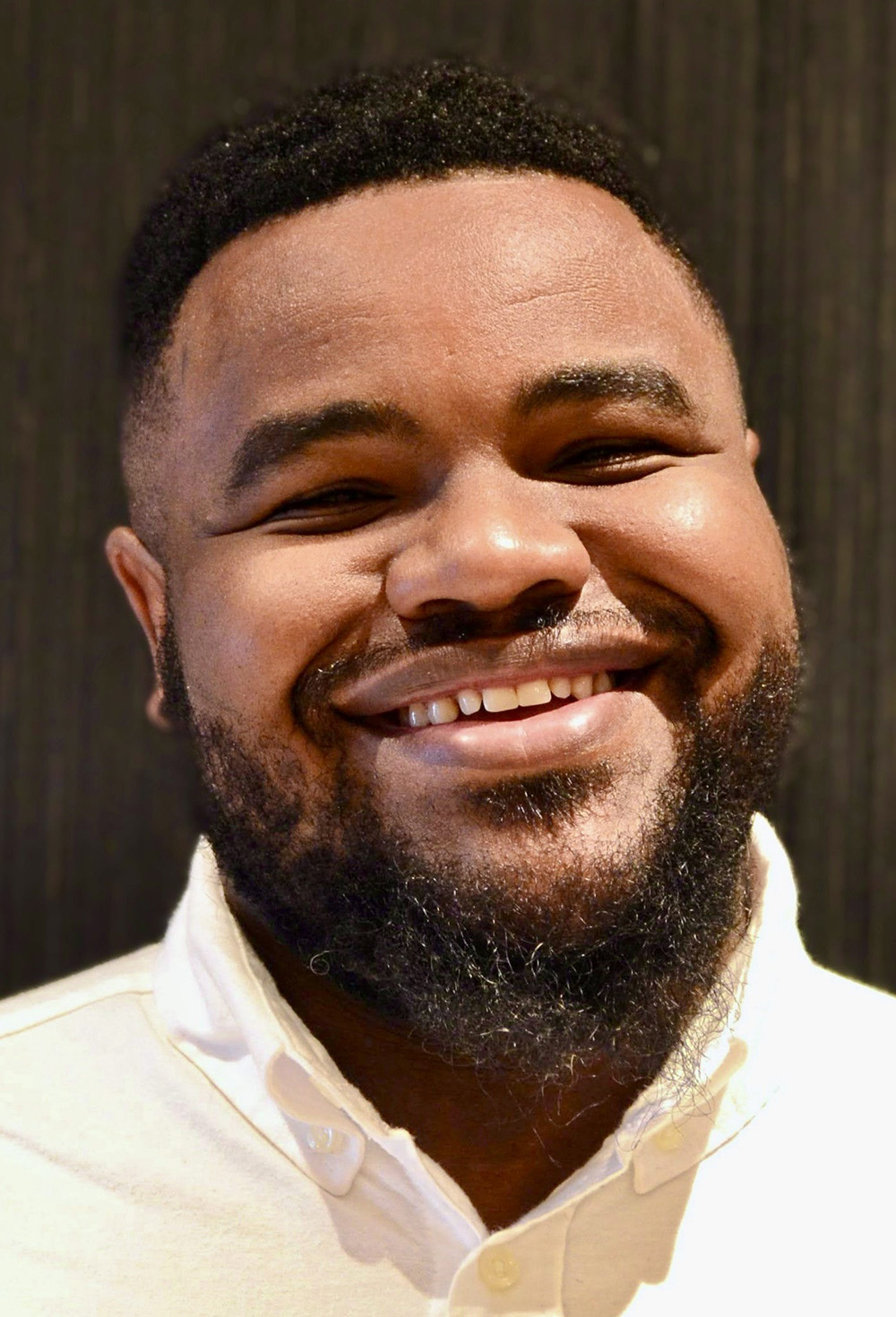
Braxton Wade
Her voice was shaky and soft. She wasn’t rough or anxious but rather reflective and hopeful in a way that felt practiced — like hope had been something she carried long before this moment.
And she kept coming back to me.
“Reverend, God isn’t done with you yet.”
She said it more than once, not as repetition, but as reinforcement.
“There’s still so much to be hopeful for.”
“Had she not seen the news? Did she not know what was happening in Iran?”
Had she not seen the news? Did she not know what was happening in Iran? Had she forgotten about ICE? Had she forgotten why she was in the hospital in the first place? In a room that could have easily been defined by decline, she insisted on possibility — not as sentiment, but as conviction.
She began telling stories. Stories of walking into newly integrated schools where the air felt tense and every step carried weight. She didn’t soften it. She named how hard it was, how uncomfortable, how uncertain the outcomes seemed. But she refused to tell the story without God in it.
“Rev., God was there — in the middle of it,” she said. “Jehovah Jireh was there in the silence, in the tension, and in every classroom that worked really hard to solve racism while it was still growing like wildfire in the parents’ hearts and home.”
Her faith did not wait for resolution before it spoke.
Eventually, the conversation turned to family. She began naming her children. Then her grandchildren. Slowly, deliberately, as if each name carried its own testimony. Gratitude sat underneath every word, and then she began to sing, softly.
Que será, será …
Whatever will be, will be …
The future’s not ours to see …
Her voice was faint, but steady.
“Eventually, the conversation turned to family. She began naming her children.”
And just like that, the hospital room gave way to memory. The song she had sung to us as children became something more — not just comfort but living hope. A reminder that even what we cannot see is still being held.
I didn’t plan to respond.
But with tears already forming, I found myself singing back:
It won’t always be like this …
The Lord will perfect that concerning me …
My voice was quiet at first.
Sooner or later, turn in my favor …
Then it wasn’t.
Sooner or later, turn in my favor …
The room joined in — family, nurses, whoever was there — not performing, not prompted, just carried into it together.
It’s turning around for me …
For a moment, the machines faded. Time loosened its grip. We weren’t escaping reality. We were naming a deeper one. When the song ended, the room exhaled and we thought the moment had passed. But then we heard her barely above a whisper.
It could have been me …
Outdoors …
No food …
No clothes …
She was singing again — “Thank You” by Walter Hawkins.
Or left alone
Without a friend …
Or just another number
With a tragic end …
No performance. Just truth.
But you didn’t see fit …
She paused.
…to let none of these things be…
By now, there wasn’t a dry eye in the room.
’Cause every day by your power
You keep on keeping me …
And then, with everything she had left:
And I want to say thank you, Lord …
“That’s who she is. A woman not defined by the hospital bed but revealed in it.”
That’s who she is. A woman not defined by the hospital bed but revealed in it. A grandmother whose faith was not built in comfort but in endurance. A witness who has seen enough of life to know gratitude is not rooted in ease but in being kept.
A God who was present in integrating schools is the same God she still trusts now. Still keeping, still sustaining and still near.
I walked into that room thinking I was coming to sit with her. But I left reminded that hope is not something we manufacture when things look good. It is something we inherit from those who kept believing when things did not.
I learned God does not wait for the mess to clear before showing up.
That sometimes the most powerful sermons are not preached from pulpits but whispered from hospital beds.
God isn’t done, not with her story, not with mine, not with yours, not with ours.
And if her life teaches me anything, it is this: Whatever will be, will be. But it will never be without God.
Braxton Wade is a Clemons Fellow with BNG. He is a graduate of the University of Richmond and Chicago Theological Seminary and lives in Richmond, Va.