


Jesse Louis Jackson Sr. died Feb. 17. Like his mentor, Martin Luther King Jr., Jackson has left a lasting impact on our nation and world. So what is that legacy?
Some people will remember Jese Jackson as a protester. After participating in college protests and the March from Selma to Montgomery for voting rights in 1965, he became a protégé of King and led protests in Chicago. After King’s death, he organized Operation PUSH (People United to Save/Serve Humanity) and the National Rainbow Coalition, which later merged into the Rainbow/PUSH Coalition. This organization works to provide a cure for the ills in a global society by pushing for civil rights, social justice and political reform.
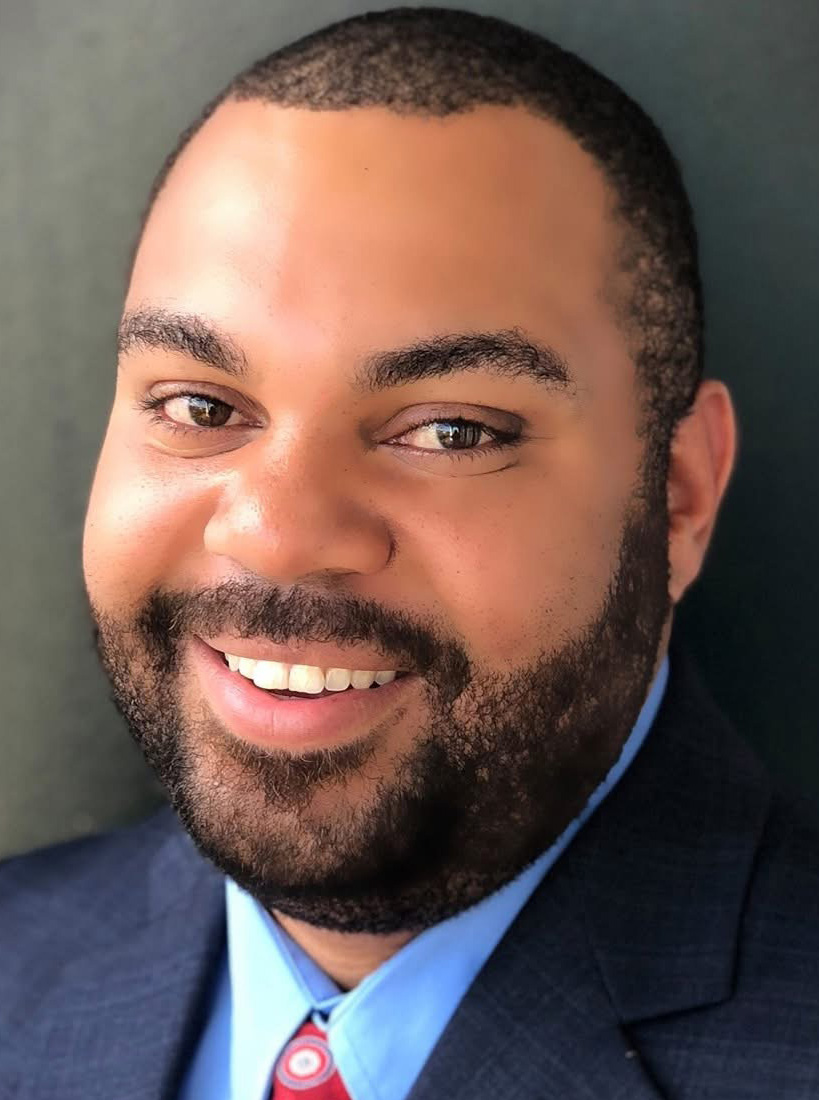
Jesse Nelson
Some people may remember Jackson as a politician. He was the first African American male to run for president. He launched his first campaign as the Democratic nominee for president on my birthday, November 3, 1983. Although he lost the bid for the nomination in 1984 and 1988, he inspired 5 million people to register to vote within a four-year period and received more than 7 million votes in 1988 as he urged the nation to “Keep hope alive!”
Twenty years later, Jackson’s vision became a reality when Barack Obama was elected the first African American president of the United States.
I will remember Jesse Jackson as a preacher. Oftentimes his preaching ministry is an afterthought in people’s minds; however, he was a Baptist minister before his rise as a prominent political figure or international protester.
After graduating from North Carolina A&T University, he attended Chicago Theological Seminary. He was ordained in 1968 by Clay Evans of Fellowship Missionary Baptist Church in Chicago. Jackson later graduated with a master of divinity degree from Chicago Theological Seminary in 2000.
Jesse Jackson was a prolific and prophetic Baptist preacher. He did not serve as pastor of a local church, but the world was his congregation and the disenfranchised, marginalized, poor and destitute were his people. He delivered sermons and speeches on five continents.
“The world was his congregation.”
Although Jackson promoted legislation, he relied on the gospel for transformation. He focused on reforming “the system” by encouraging people to stop conforming to their culture and transforming their hearts and minds with the gospel so they could live, love and look like Jesus Christ.
Jackson’s preaching was noted for its rhythm and rhymes. He used words to move the audience from experiencing an emotion to employing an action. He kept hope alive for the hopeless with sermons that included imagery and irony as he personified Christianity.
I remember hearing him preach 25 years ago. His presence was commanding. His persona was demanding. His preaching was outstanding. Jackson said, “If Jesus would have died by drowning, we would wear buckets with water. If Jesus would have been executed, we would wear bullet cases. But since Jesus died on a cross, we wear the cross around our necks.” I’ll never forgot those words because that statement impressed upon me the centrality and symbolism of the cross for my life and ministry.
So what is the legacy of Jesse Jackson? Some people will remember him as a bold protester. Other people will remember him as a Black politician. I will always remember him as a Baptist preacher.
Jesse Nelson serves as senior pastor of Macedonia Missionary Baptist Church in Panama City, Fla. and as part-time professor for Meachum School of Haymanot and Nile Theological College in South Sudan. He earned a master of divinity degree and doctor of ministry degree from New Orleans Baptist Theological Seminary and Ph.D. in practical theology from Stellenbosch University. He is the author of Preaching Life-Changing Sermons.