


I finally gave in. In fact, three times now. I successfully navigated the self-serve kiosk at McDonald’s.
With a touch of reluctance, I admit the experience was satisfying. I approached the kiosk, touched the screen, scanned my points code, placed my order, entered my table number, paid with my debit card, found my seat and waited for the hand delivery of my food and drink. To my surprise, the wait was not long and the service excellent.
I’m disappointed it took me so long to finally yield to change. I have a lifelong affinity for McDonald’s, especially the hamburger in all of its variations — Quarter Pounder, Big Mac, double hamburger, double cheeseburger, McDouble (just one piece of cheese), and whatever else McDonald’s may throw at me.
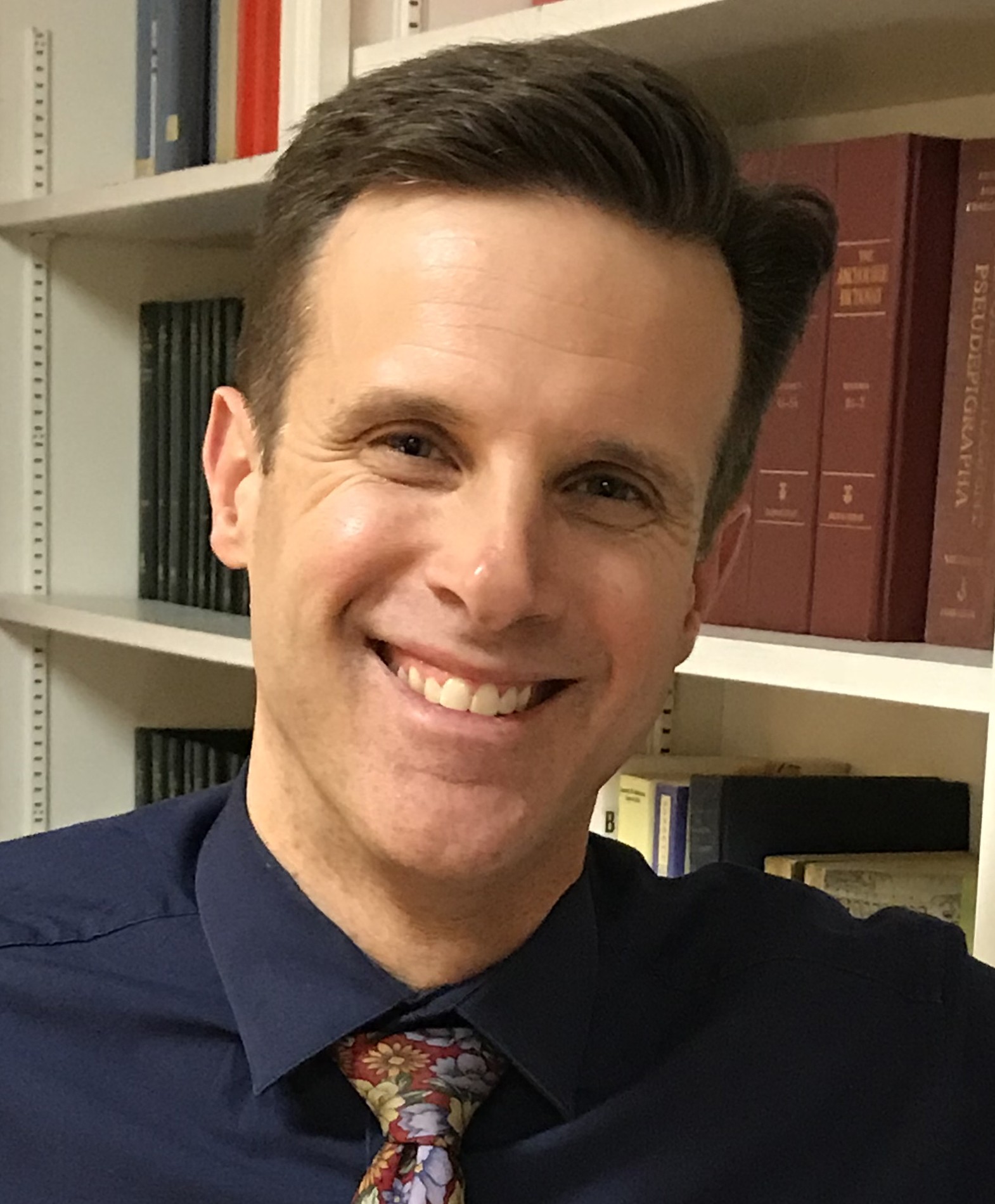
Paul R. Gilliam III
I am nearly 55 years old. And a McDonald’s hamburger tastes just like it did when I was 7. Simply, delicious.
It’s more than the taste itself that appeals to me as McDonald’s brings to the surface comforting childhood memories. In the 1970s and 1980s, there was an Arby’s and a McDonald’s side by side in Highland Springs, Va. — 6 miles from my hometown of Black Creek, Va. (just outside Mechanicsville proper, which is just outside Richmond). As my parents preferred Arby’s, they would get my two hamburgers, french fries and orange drink from McDonald’s and bring it over to Arby’s where we would eat together. Nostalgia at its best!
For almost 55 years now I have placed my McDonald’s order either at the counter or the drive through. As there were no kiosks during my childhood, I have resisted the change. This resistance has been costly, as it is clear McDonald’s wants customers to either use the drive through or the kiosk. I know this because I stubbornly wait at the counter for service without acknowledgment for lengthy periods of time. I wait until someone finally takes my order. On occasion, I have walked out before ordering.
In the past, I drew a line in the sand — I would not use the kiosk as the kiosk has not been a part of my McDonald’s experience for 50-plus years.
“In the past, I drew a line in the sand — I would not use the kiosk as the kiosk has not been a part of my McDonald’s experience for 50-plus years.”
I have loved the church since I began actively participating in Black Creek Baptist Church during summer breaks from Gardner-Webb University. During those days, in the 1990s, I was a new believer with no knowledge of the Bible or Christian history or Christian tradition. I do not exaggerate when I say no knowledge.
No matter. In that little chapel I encountered God in worship. Even without an awareness of the story of Moses and the burning bush, I knew worship in that place was holy ground.
Ken Gowin, now pastor of First Baptist Russell in Russell, Ky., was then the pastor of Black Creek Baptist Church. Ken is a passionate and engaging preacher. In fact, it was Ken and Black Creek Baptist Church who baptized me in Bill Sweet’s pond one hot summer evening.
Even so, I remember little — very little — of Ken’s sermons. However, the experience of the worship of God, under Ken’s leadership, leaves an indelible impact upon my life. My most positive experience with the local church in my late teens and early 20s never fades, even when trying times come now as a church leader.
I want the Christian church to flourish. I confess, I am not always sure how to spot a flourishing church. Certainly, a healthy church will love God and serve neighbor. It is not enough to serve our neighbor. Our Muslim, Hindu, agnostic and atheist friends serve their neighbors too. Care for our neighbors is a human responsibility not exclusive to the Christian tradition. Our love of neighbor must be accompanied by love for the God revealed to us in the person of Jesus the Christ. What exactly does this combination of love of God and service to neighbor look like through the church?
Naturally, my early experiences with Black Creek Baptist serve as a personal model. I have spent my entire pastoral career trying to help people in the congregations I serve have something of a similar experience as I had with the local church in the 1990s.
“It is infinitely easier to teach people about God than it is to lead people into the presence of God.”
Although it may sound odd coming from a pastor-scholar, I am more concerned that people experience God than I am that people have an abundance of knowledge about the Bible or Christian history or Christian tradition. As I heard someone say once (I have forgotten who now), “It is infinitely easier to teach people about God than it is to lead people into the presence of God.” I have found this true.
Here’s where the McDonald’s kiosk speaks to me. Although we get comfortable with our routines, the church must be open to new and different routines. The McDonald’s kiosk teaches us that “We’ve always done it that way” is a dangerous statement for the vitality of the church.
It is worth repeating: The taste of a McDonald’s hamburger has not changed since I was 7. The good news of Jesus does not change. However, our routines — our ways of operating — must evolve or the church will get overlooked like a McDonald’s customer still trying to order from the counter.
In our day, the data tell us fewer and fewer people do church — that is actively participate in an explicitly Christian community. And those who do church do so with less regularity. This burdens me daily. I fear this dynamic will continue unless the church resists obstinacy and moves to the kiosk. What would it mean, in your local church body, to make this move from obstinacy to the kiosk?
Paul R. Gilliam III is a minister and an academic. He serves as pastor at Trinity Baptist Church in Newton, NC. He is also the author of two books: Ignatius of Antioch and the Arian Controversy and William Whiston and the Apostolic Constitutions: Completing the Reformation. His current book project is tentatively titled, Simon Browne, Salters’ Hall, and the Trinity.