

While researching historical data for another article this week, I stumbled upon a list of the largest churches in America in 1983-1984, and before I knew it, I was down the rabbit hole of curiosity.
Screenshot
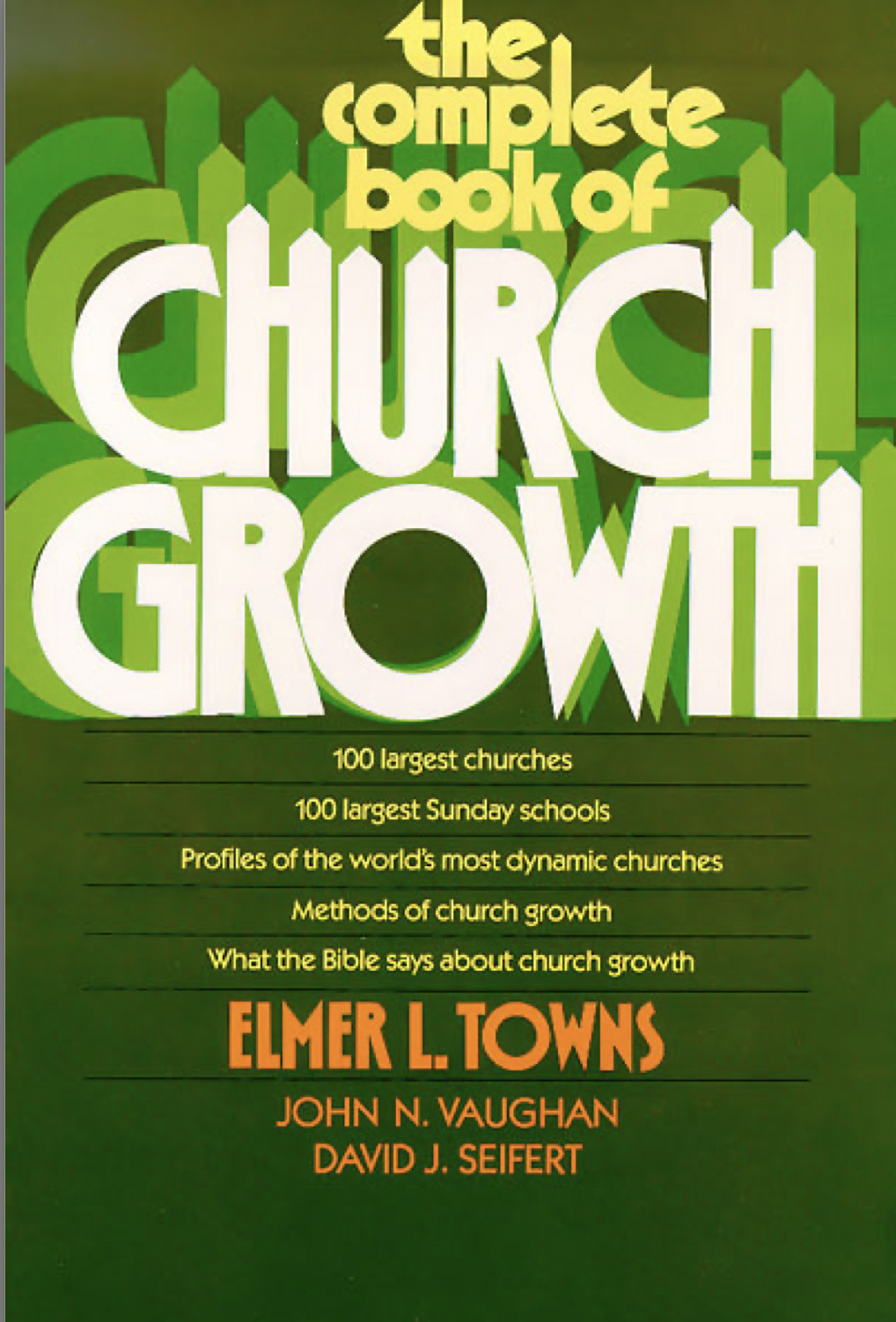
This list was published in a book written by Elmer Towns, who at the time was a professor at Liberty University and one of the best-known early researchers on church growth. The book title is The Complete Book of Church Growth. Originally published in 1981, later editions included the charts I’m referencing in this article.
As I scanned the book’s list of the 100 largest churches in America from 40 years ago, I immediately realized this truth: Some of these churches no longer exist and most of them are not megachurches today.
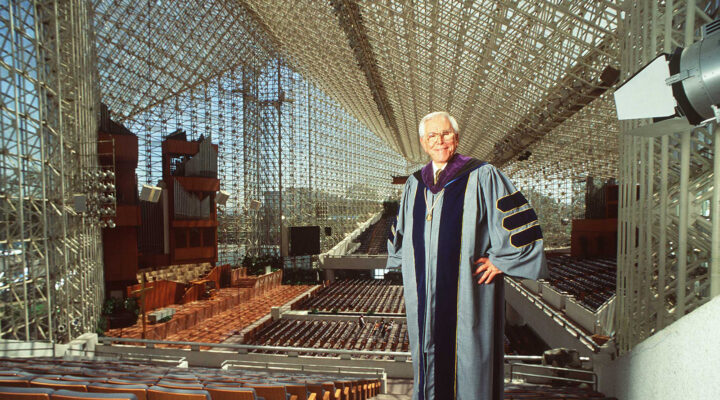
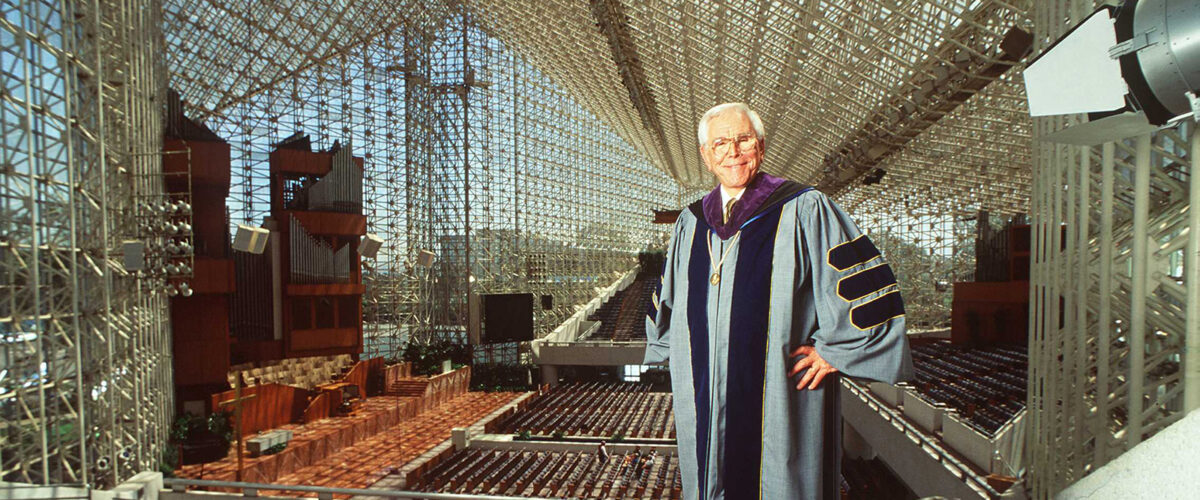
I immediately spotted numerous churches on the list that have gone through mergers, relocations and downsizing. Some have closed altogether. For example, No. 16 on the list is the Crystal Cathedral, the innovative church founded by TV preacher Robert Schuller. After his retirement, that church foundered and eventually sold its magnificent building to become a Catholic cathedral.
And No. 36 on the list is Roswell Street Baptist Church in Roswell, Ga., which BNG just reported this week is becoming a satellite congregation of another nearby church. No. 97 on the list is Dauphin Way Baptist Church in Mobile, Ala., which BNG just reported this week has shrunk to the point of needing to sell its massive property and relocate.
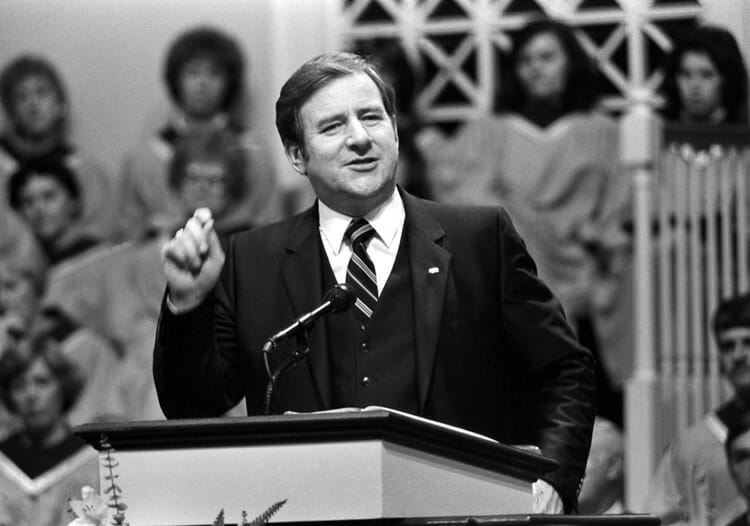
Jerry Falwell Sr. preaching at Thomas Road Baptist Church (Liberty University)
Then and now
With my curiosity piqued, I went to the current definitive database on the largest churches in America today, the Outreach 100 published by Outreach magazine. I methodically went down the list and searched for what had been the top 25 largest churches by attendance in 1984. Of those 25, I found only three still in the top 100 largest churches by attendance. Had I continued with the other 75 listed churches, I am certain the pattern would have been similar.
The three surviving churches are:
Thomas Road Baptist Church in Lynchburg, Va., which in 1984 reported 11,000 weekly worshipers and today reports 8,600. It was the third largest church in America 40 years ago and is the 45th largest church in America today.
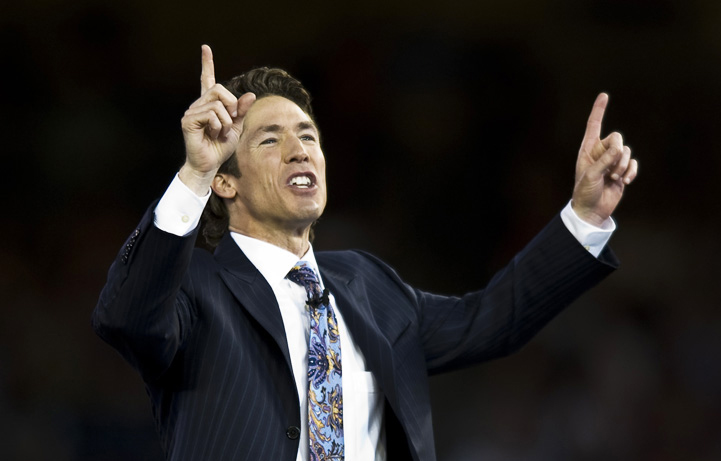
Joel Osteen
Lakewood Church in Houston, led by Joel Osteen, which reported weekend attendance of 6,600 in 1984 and reports 45,000 in attendance today. It was the 10th largest church in America in 1984 and is the fourth largest today.
Bellevue Baptist Church in Memphis, Tenn., which reported worship attendance of 5,000 in 1984 and reports 5,589 today. As BNG reported just a few weeks ago, Bellevue experienced even more growth in the 1980s under the leadership of Pastor Adrian Rogers but has declined in attendance more recently. In 1984, Bellevue was the 19th largest church in America; today it’s not in the top 100.
Some other notable churches on the 1984 list include:
- First Baptist Church of Hammond, Ind., which reported 18,700 worshipers in 1984, making it the largest church in the nation. After a series of sexual abuse and leadership scandals, this independent fundamentalist Baptist church is less than its former self. The Hartford Institute for Religion Research lists its weekly attendance as 13,426 but other online sources say the number is lower.
- Calvary Chapel of Costa Mesa, Calif., the original Calvary Chapel led by legendary Pastor Chuck Smith, was the second-largest church in America in 1984, with 12,500 in weekly attendance. While the network of up to 1,500 Calvary Chapel congregations nationwide continues to thrive, the mother ship has experienced decline, and it’s hard to know actual numbers. The church does not show up at all on the Outreach 100 list.
- Grace Community Church in Panorama City, Calif., is the church led for decades by John MacArthur, who recently died. In 1984, the church was listed as the fourth largest in the nation, with 10,000 in weekly attendance. While the church does not report attendance numbers today, firsthand accounts indicate the crowds are smaller today, and the church does not appear on the Outreach 100 list at all.
- First Baptist Church of Jacksonville, Fla., was the seventh-largest church in America in 1984, with 7,000 in weekly attendance. The church thrived under the co-pastorate of Homer Lindsay Jr. and Jerry Vines but later faced decline. Today, the church reports fewer than 3,000 in weekend attendance.
- First Baptist Church of Dallas, with 7,000 people in weekly attendance, ranked as the eighth largest church in America in 1984. It was then led by the larger-than-life pastor W.A. Criswell and then went through a series of short-term pastorates before Robert Jeffress became pastor in 2007. Today, the church’s reported average Sunday attendance is less than 3,000, according to the Hartford Institute for Religion Research. There are more than 200 larger churches in the state of Texas.
- North Phoenix Baptist Church in Phoenix was the ninth-largest church in America in 1984, with 7,000 in weekend attendance. The pastor who presided over the growth of this early megachurch was Richard Jackson, one of the few “moderate” pastors in the Southern Baptist Convention to lead a rapidly growing church. According to the Hartford Institute, current weekly attendance is 2,350.
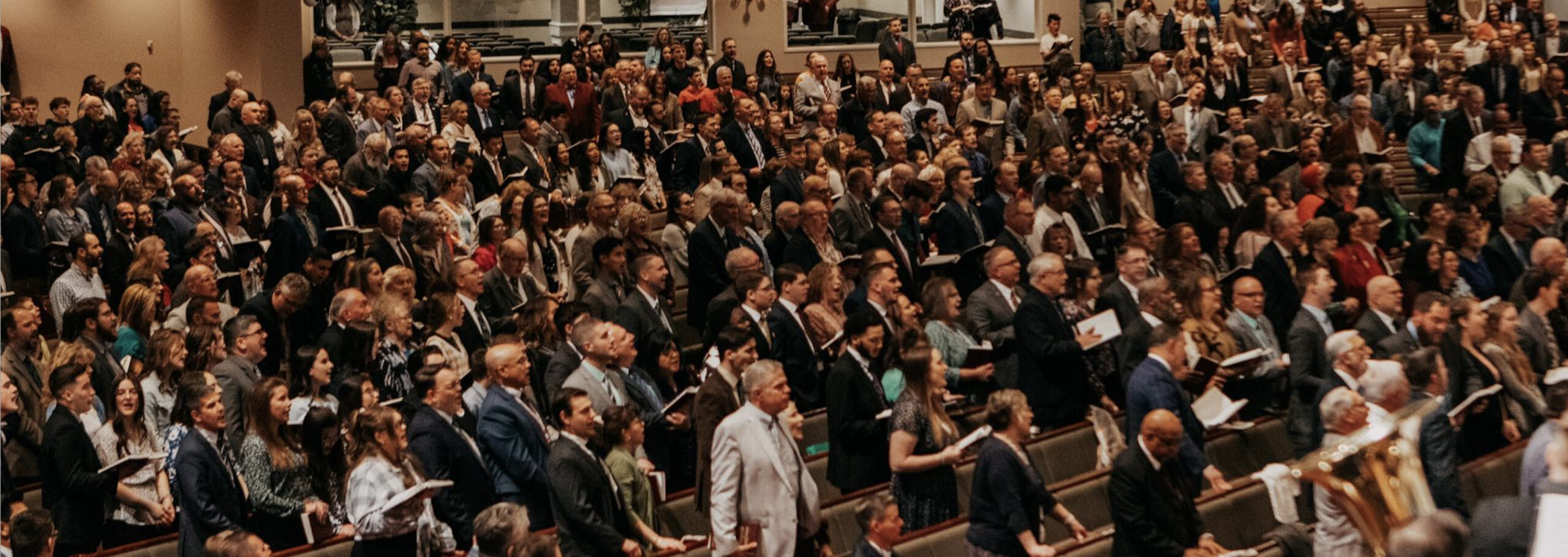
Easter worship at First Baptist Church of Hammond, Ind.
The goal posts have moved
In 1984, the megachurch phenomenon was just emerging. Consider this explanation from the Towns book:
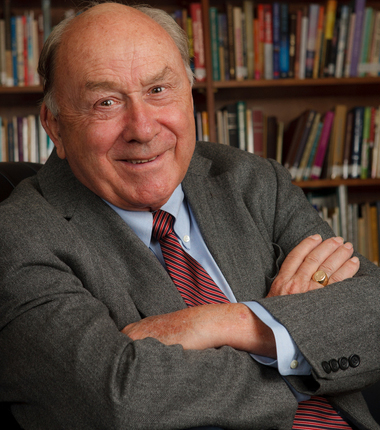
Elmer Towns in 2011 (Photo by Les Schofer)
Originally, this research aimed to find the 400 largest churches in each of five areas (church membership, total church giving, attendance at Sunday morning preaching services, Sunday school enrollment, and Sunday school attendance). However, the researchers found that in four of the five categories there weren’t enough large churches to fill the listing. (Large churches were arbitrarily identified by the figure 1200 or more.) Only in the category of church membership could 400 large churches be listed.
In 1984, the largest church documented by Towns was First Baptist of Hammond, Ind., with 18,700 worshipers. Only four churches were identified with attendance of 10,000 or more. Today, the Outreach 100 lists 69 churches with weekly attendance of 10,000 or more.
Looking at the other end of the scale, consider this: Today, the 50th largest church in America, according to Outreach, is Potters House in Dallas, which reports attendance of 15,000 people. By comparison, in 1984, the 50th largest church by attendance was First Assembly of God in Rockford, Ill., with 3,121 worshipers.
The very definition of a megachurch has changed.
What is a megachurch?
The Hartford Institute lists seven characteristics that identify megachurches today:
- 2,000 or more people in attendance at weekly worship, counting adults and children at all locations
- A charismatic, authoritative senior minister
- A very active, seven-day per week congregational community
- A multitude of diverse social and outreach ministries
- An intentional small group system or other structures of intimacy and accountability
- Innovative and often contemporary worship formats
- A complex differentiated organizational structure
According to that definition, the Hartford Institute has identified about 1,800 megachurches in the United States today.
“The majority of megachurches (over 70%) are located in the Southern Sun Belt of the United States, with the highest concentrations in California, Texas, Florida and Georgia,” the group reports. “Most megachurches are in suburban areas of rapidly growing ‘sprawl cities’ such as Los Angeles, Dallas, Atlanta, Houston, Orlando, Phoenix and Seattle. Many of these large churches occupy prominent land tracts of 50 to 100 acres, often near major traffic thoroughfares.”
Social researcher Ryan Burge has delved into other demographics of megachurches and finds there are clear correlations based on geographic location.
“Relatively few megachurches have been exceptionally large for longer than the tenure of their current minister.”
The Hartford Institute, which has done more research on megachurches than anyone else, says these congregations “tend to grow to their great size within a very short period, usually in less than 10 years, and under the tenure of a single senior pastor. Nearly all megachurch pastors are male, and almost all are viewed as having considerable personal charisma.”
And then this interesting fact: “Relatively few megachurches have been exceptionally large for longer than the tenure of their current minister. However, evidence suggests that these churches can remain vital following a shift in leadership from the founder to a successor. Approximately 30% of existing megachurches have senior leaders who were not the founders or pastors present during the church’s significant growth.”
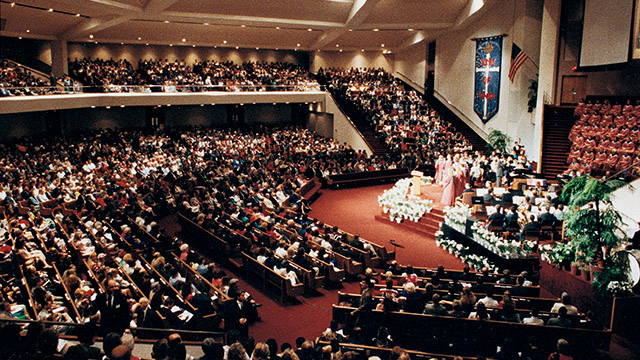
Prestonwood’s original location at Hillcrest and Arapaho in Far North Dallas.
What’s next?
While the majority of churches in America today are small, the majority of people who attend church weekly attend congregations that are large. Thus, megachurches continue to have an outsized influence on the national understanding of what is church.
There is an expectation that today’s megachurches always will be megachurches, that their vast properties always will be filled — and yet history shows that likely won’t be the case. Demographic change and cultural change catch up with all churches over time, regardless of size.
Megachurches have arisen in a time and place that won’t always exist. Even these behemoths must adapt.
A notable example of such adaption is Prestonwood Baptist Church in Plano, Texas, the 18th-largest church in America with weekly attendance of 19,600. From its founding in 1977, Prestonwood blossomed rapidly in the right place, which was a fast-growing section of North Dallas.
In 1984, Prestonwood made the Towns list as the 40th-largest church in America with 3,600 in weekly worship. But 15 years later, the church moved about 10 miles away to an entirely new campus in suburban Plano. I remember thinking naively at the time how odd that was, that a thriving megachurch would uproot and build on a tract of land where there were no houses, no subdivisions.

Worship at Prestonwood Baptist Church on Sunday, June 29.
But someone knew exactly what they were doing. Having landed in the middle of rapid suburban growth, the already-thriving megachurch was born again and rocketed into something even larger.
To understand why this matters, see Ryan Burge’s research referenced above. Location, location, location.
That move was 26 years ago now, and the community around Prestonwood’s main location is fully built out and demographic change is no doubt coming down the road soon. So what has the church done? It has started satellite locations and bought into the multi-site model that is the new phenomenon in church growth.

Jack Graham
What Prestonwood has not experienced in 35 years is a transition in senior pastors. Jack Graham is 75 years old. Yes, he successfully followed the charismatic founding pastor at Prestonwood — even through a scandal with the founder — but most church members today have only known him as pastor.
That’s one of the biggest challenges all megachurches face, both past and present. Take a look back through that list I gave above of other notable churches from the 1984 list. Each one has faced a rough pastoral transition.
And then go look at the list of the Outreach 100 and notice that about half those churches were founded less than 40 years ago, many less than 20 years ago. They did not exist to show up on the 1984 Towns list.
One thing’s for sure: Forty years from now, the list of the largest churches in America is likely to include a whole lot of congregations that do not currently exist.
Mark Wingfield serves as executive director and publisher of Baptist News Global and is the author of five books, including Honestly: Telling the Truth About the Bible and Ourselves.
Related articles:
When a former megachurch becomes a satellite congregation | Analysis by Mark Wingfield
Where does a multi-site megachurch find a new pastor? | Analysis by Mark Wingfield
25 largest churches in North America
Based on worship attendance, 1983-1984
- First Baptist Church Hammond, Ind., 18,700
- Calvary Chapel of Costa Mesa Santa Ana, Calif., 12,500
- Thomas Road Baptist Church Lynchburg, Va., 11,000 (8,600 today)
- Grace Community Church Panorama City, Calif., 10,000
- Highland Park Baptist Church, Chattanooga, Tenn., 9,800
- Calvary Temple, Springfield, Ill., 8,832
- First Baptist Church, Jacksonville, Fla., 8,000
- First Baptist Church, Dallas, 7,000
- North Phoenix Baptist Church Phoenix, 7,000
- Lakewood Church Houston, 6,600 (45,000 today)
- Mt. Olivet Lutheran Church Minneapolis, 6,125
- First Baptist Church, Atlanta, 6,025
- Calvary Assembly of God, Winter Park, Fla., 5,800
- Life Assembly Tacoma, Wash., 5,500
- The Chapel Akron, Ohio, 5,200
- Crystal Cathedral Garden Grove, Calif., 5,200
- Madison Church of Christ, Madison, Tenn., 5,028,
- Crenshaw Christian Center, Inglewood, Calif., 5,000
- Bellevue Baptist Church, Memphis, Tenn., 5,000 (5,589 today)
- Victory Christian Center, Tulsa, Okla., 5,000
- The Church on the Way, Van Nuys, Calif., 4,745
- Full Gospel Tabernacle, Orchard Park, N.Y., 4,650
- Hyde Park Baptist Church, Austin, Texas, 4,500
- The Peoples Church, Fresno, Calif., 4,500
- Coral Ridge Presbyterian Church, Ft. Lauderdale, Fla., 4,500
Source: The Complete Book of Church Growth