


On Sunday afternoon, I put together a small surprise for my niece. Her mom was taking her to Disney, and I wanted the moment to feel real before the magic officially began. I bought shirts, pressed them myself, wrapped everything up. It took a couple of hours. It felt worth it.
By the time we dropped the package off, I was tired. I still had Christmas dinner to cook later, and money is tight right now. I have a birthday coming up. But I made a small decision anyway: I wanted a really good steak.
I live in New Haven, Conn., a city full of great restaurants. I’m particular about steak and have eaten at most of them, so my husband and I pulled up Google Maps, looking for somewhere new. That’s how we ended up just outside the city at a restaurant we hadn’t tried before.
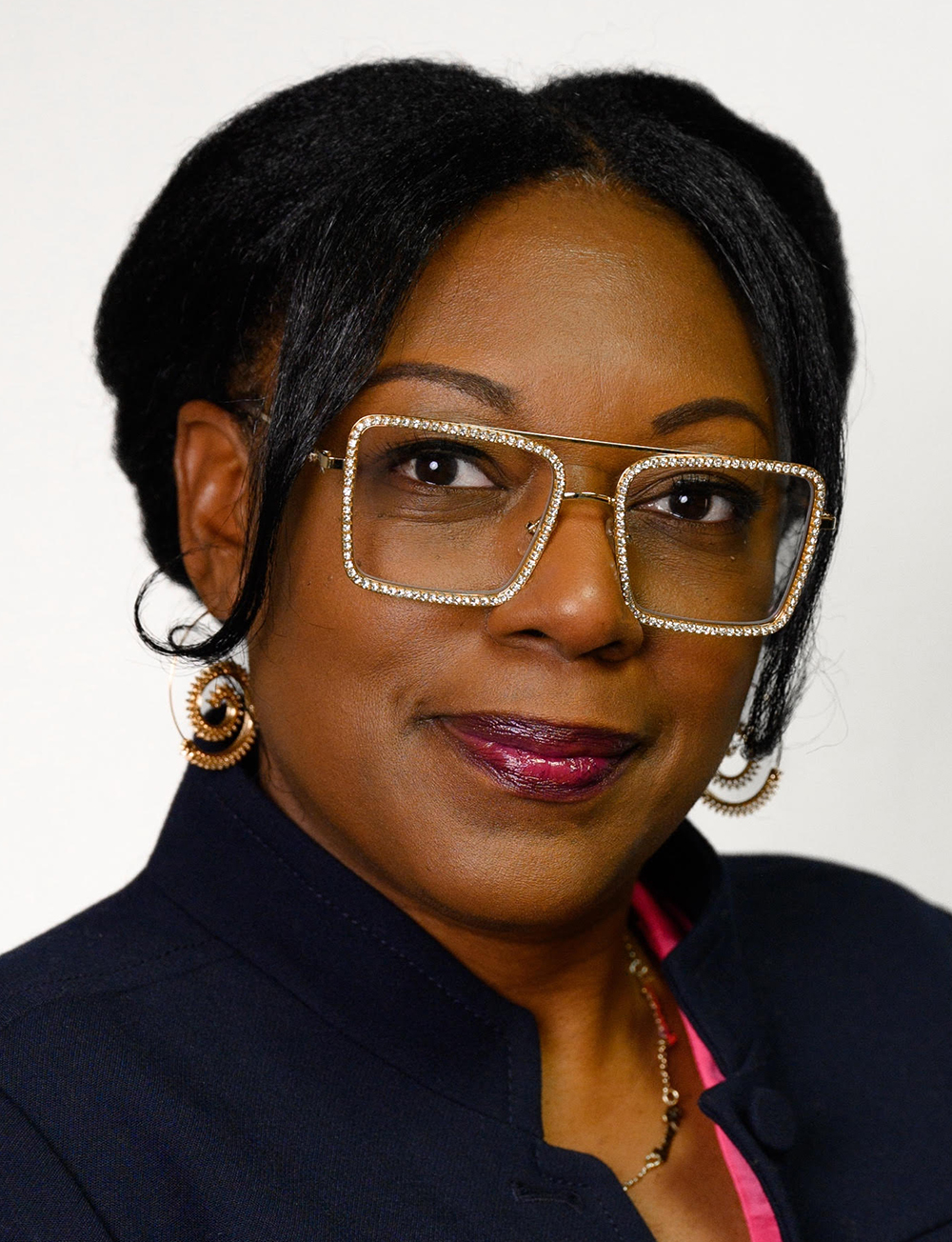
Randi McCray
When we arrived, it was clear something big was happening. Music, laughter, a packed room. We waited at the door while the hostess helped someone else. When she turned to us, she asked if we had a reservation. We didn’t. She told us they were booked for the evening, then hesitated and said she’d check anyway.
As she came back toward the door, a man — casually dressed, nothing flashy — stepped forward and asked what we were waiting for. The hostess explained. He looked at us and said, simply, “You can just come to our party.”
Just like that.
He told us to grab a drink at the bar and enjoy the buffet they already had. My husband mentioned I’d really wanted a steak. I shrugged. We decided to stay.
“I leaned over to my husband and said, ‘What do we do to say thank you?’”
We quickly noticed we were the only Black people in the room. That isn’t unusual for us. We live in a predominantly non-Black neighborhood and often find ourselves in spaces like this. We didn’t feel uncomfortable but we were aware.
There was a singer performing Christmas songs, then karaoke. People were laughing, leaning into joy. Before we even sat down, the same man signaled the bartender to put our first drinks on his tab.
At that point, I leaned over to my husband and said, “What do we do to say thank you?”
There was no hostess to tip. No obvious way to reciprocate. Then my husband remembered something: The Grinch costume in the trunk of our car.
For the past couple of years, he’s dressed as The Grinch during the holidays — surprising kids, showing up at events, creating moments of joy. He asked the man if he’d mind a quick appearance. The man laughed and said, “You should be getting paid for that,” then offered him money.
My husband declined. He went to the car, changed and walked back in as The Grinch.
The kids lit up. The adults did too. Phones came out. Laughter filled the room. For a few minutes, the world narrowed to something simple and generous: shared joy, freely offered.
We left before the costume came off so the kids wouldn’t see the magic disappear.
On the drive home, I kept repeating the same thing to my husband: I never would have expected today to end like that.
I’m a DEI practitioner. I spend my professional life navigating what inclusion looks like — especially now, as intentional DEI efforts are being stripped from federally funded programs and quietly rolled back far beyond them. We’ve been inundated with messages about retreat, division and fear. Businesses distancing themselves. Institutions going silent. A culture treating inclusion as risk rather than responsibility.
“There was no strategy. No training. No sanctioned agenda. Just people choosing generosity.”
And yet none of that was present in that room.
There was no strategy. No training. No sanctioned agenda. Just people choosing generosity.
That night reminded me of something essential: DEI does not live or die by permission. It lives in practice.
It lives in who we invite in.
It lives in how we respond to the unexpected.
It lives in whether we choose suspicion or welcome.
That’s how inclusion works too.
Not through sweeping declarations.
Not through headlines.
But through everyday acts of human kindness that ripple outward.
No administration — past or present — has the power to dictate how we practice our values in our daily lives. They don’t control our freedom to choose joy over fear, connection over division, generosity over retreat.
That freedom still belongs to us.
And if inclusion is going to survive this moment — not as a program, but as a principle — it will be because ordinary people keep choosing it anyway.
Randi McCray is a Public Voices Fellow of The OpEd Project in partnership with Yale University. She serves as associate director of School Community and Culture at the Yale School of Public Health. A public health practitioner and writer, she focuses on inclusive leadership, community engagement and the everyday practice of belonging across difference.