


There are entertainers, there are legends, and then there are those rare human beings whose lives become part of the cultural fabric of a nation.
Dolly Rebecca Parton was one of those people.
The Tennessee-born country music legend, songwriter, actress, entrepreneur and philanthropist died Aug. 25 at age 80. Reuters reported that Parton, whose unmistakable voice carried from the Appalachian Mountains to virtually every corner of the world, sold more than 100 million records during a career spanning more than six decades.
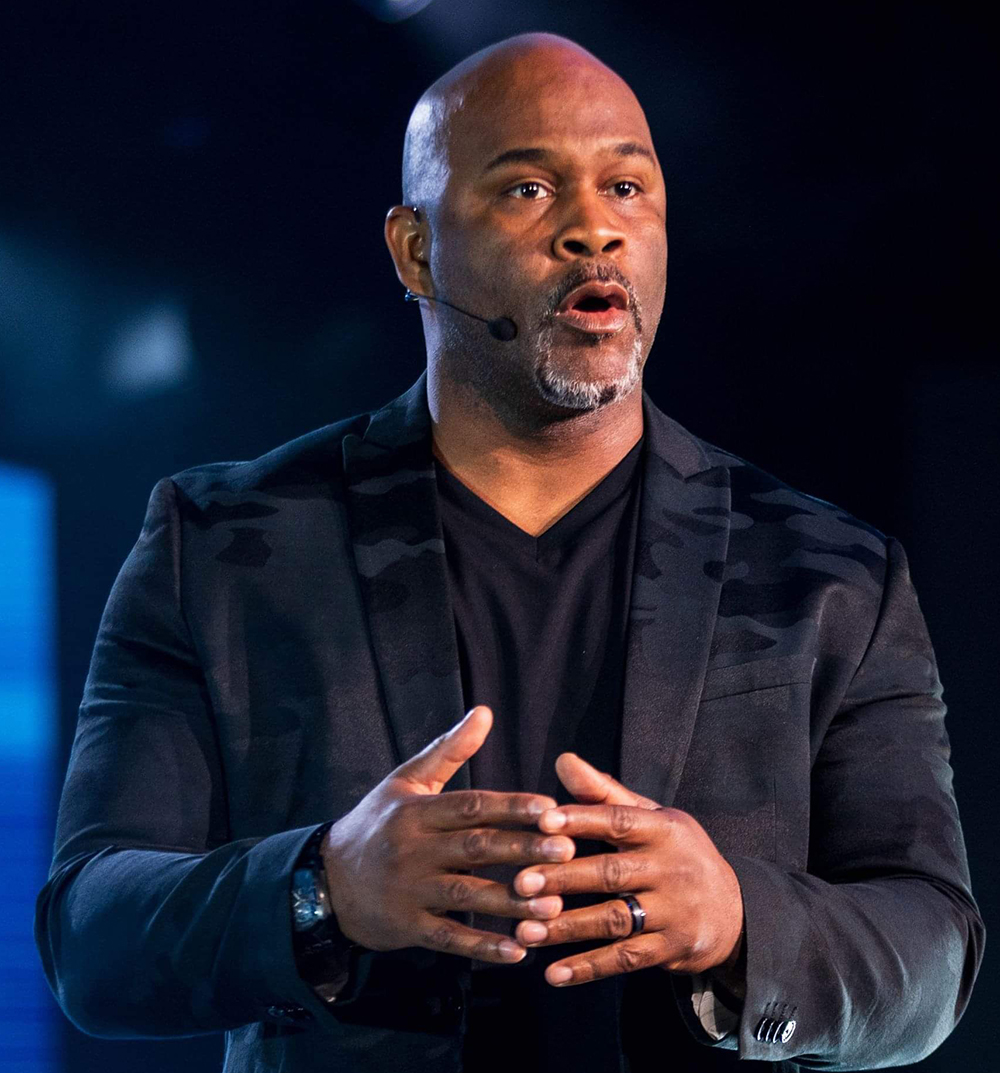
Edmond W. Davis
Her nephew Bryan Seaver, speaking for the family, described the moment with words that captured both grief and gratitude: “It is an honor, an honor that is mixed with absolute pride and great sadness.”
That is an appropriate way to remember Dolly.
There is sadness because an American original is gone. But there also should be enormous pride in what that little girl from the mountains of East Tennessee accomplished.
Dolly was born Jan. 19, 1946, in Locust Ridge, Tenn., the fourth of 12 children in a working-class Appalachian family. Music and faith surrounded her childhood. Her mother sang, her grandfather was a preacher and musician, and church music helped shape the young girl who would become one of history’s most recognizable singer-songwriters. By 10, she was performing on Knoxville radio and television; at 13, she appeared at the Grand Ole Opry.
Her story reminds me of Zechariah 4:10: “Do not despise these small beginnings.”
Dolly’s beginning was small. Her impact was anything but.
“Dolly’s beginning was small. Her impact was anything but.”
Behind the rhinestones existed a woman who frequently spoke about God, prayer and her Christian upbringing. And behind one of entertainment’s most famous women stood a man who largely wanted nothing to do with fame.
Dolly met Carl Dean on her first day in Nashville in 1964. They married in 1966 and remained married until Dean’s death in March 2025 — nearly 59 years.
In an industry where relationships can become publicity campaigns, theirs was remarkably private. Carl rarely appeared publicly with his famous wife. Dolly respected that boundary.
Their marriage offers a lesson bigger than celebrity: Everything valuable does not have to be public.
Their marriage endured fame, touring, Hollywood, wealth, business ventures and decades of public attention. Near the end of Carl’s life, Dolly helped care for him. She later acknowledged that she had neglected some of her own health needs while caring for her husband. That is love beyond the red carpet.
Dolly Parton also should be studied in business schools.

Dolly Parton rehearses for her New York nightclub debut at the West Village’s Bottom Line. (Getty Images)
She transformed a music career into a multidimensional brand while maintaining ownership and control of much of her creative identity. As a young urban kid 30 years ago, I recognized her in Steel Magnolias, and that she had a business concept.
Perhaps the greatest physical symbol of that entrepreneurial vision is Dollywood, the East Tennessee theme park she developed with business partners beginning in the 1980s. It became both a major tourist attraction and an economic engine for the region that raised her.
She expanded her interests into entertainment attractions, hospitality, publishing, film, television and consumer products.
Dolly understood something generations of artists have struggled to learn: Talent can make you famous. Ownership can build a legacy.
Yet Dolly’s greatest enterprise may never have been a song, movie or amusement park. It may have been a book placed into the hands of a child.
In 1995, inspired partly by her father’s inability to read and write, she launched Dolly Parton’s Imagination Library in her home county. The program eventually expanded across the United States and internationally, mailing free books to children from birth to age 5 regardless of family income.
She also supported scholarships, medical research and disaster relief. After the devastating 2016 Tennessee wildfires, her My People Fund raised $12.9 million to assist nearly 1,000 families. She later donated toward COVID-19 vaccine research and, in 2024, committed $2 million with her foundation toward Hurricane Helene relief.
Luke 12:48 teaches, “For unto whomsoever much is given, of him shall be much required.” Dolly appeared to understand that principle.
She earned much. Then she gave much.
It is difficult to say that nobody in history has accomplished something unless a recognized record-keeping authority confirms it. But Guinness World Records documents several achievements that place Parton in territory occupied by no other female country performer.
First, she became the first country singer ever nominated for the EGOT — Emmy, Grammy, Oscar and Tony Awards.
Second, she holds the record for the most studio albums released by a female country singer: 66.
Third, she achieved Top 10 country albums across seven consecutive decades, another Guinness-recognized female record. She also accumulated 25 No. 1 Hot Country Songs hits as a female artist and charted country music across seven decades.
Think about that journey.
A poor Tennessee girl.
The fourth of 12 children.
A child singing in church.
A teenager dreaming about Nashville.
A woman who ultimately wrote thousands of songs, conquered country and pop music, became a movie star, built businesses, created jobs and gave millions of children books.
Dolly Parton did not simply escape poverty. She kept reaching back toward the mountains to help somebody else climb out.
That may be her greatest song of all.
The rhinestones will remain. The unmistakable voice will remain. “Jolene,” “9 to 5,” “Coat of Many Colors” and “I Will Always Love You” will remain.
But beyond the records, awards and bright lights stands something greater: A legacy of faith, generosity, literacy, entrepreneurship, marriage, perseverance and service.
Dolly Parton spent a lifetime wearing a coat of many colors. In the end, she made that coat large enough to cover the world.
Rest well, Dolly Rebecca Parton — Tennessee’s daughter, America’s storyteller and one of country music’s greatest legends.
Edmond W. Davis is a social historian, journalist, professor and documentary host. He is founder of the National HBCU Black Wall Street Career Fest. A native of Philadelphia, he lives with his wife and son in the Little Rock, Ark., area. Davis is committed to cultural empowerment and educational equity through storytelling and civic engagement.