


The following comments were given by the author on Saturday, Oct. 10, at a Dallas rally against the death penalty.
I speak today as a Christian, mindful of the ancient conviction expressed in Genesis that every human being is created in the image of God.
Not just the innocent. Not just the good. Not just those we love or admire. Every human being. Even those who have done terrible things.
That conviction does not diminish the horror of murder or the grief of victims’ families. Nor does it relieve us of our responsibility to hold people accountable. But it does place limits on what we may do in the name of justice.
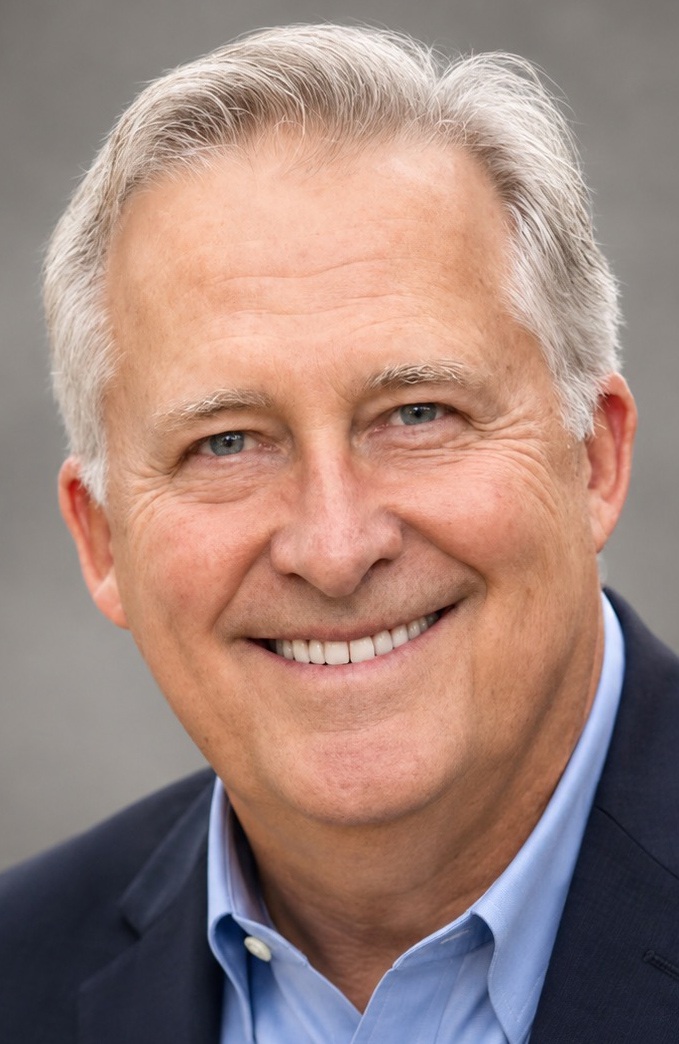
George Mason
At the heart of the Christian faith is the story of Jesus, unjustly condemned and executed by the authorities of his day. Christians believe God raised Jesus from the dead, refusing to let the violence of the Cross have the final word.
The resurrection invites us to imagine a world in which death does not have the last word. And if that is the hope by which we live, should it not also shape the way we practice justice?
The question is not whether those who commit heinous crimes deserve punishment. Of course they do. But must death answer death? Can we imagine justice that holds people accountable without denying their God-given dignity?
Consider two recent developments.
“There is no antiseptic way to take a human life.”
In Tennessee, Christa Pike survived an attempted execution by lethal injection that left her gravely injured. The promise of a clinical, humane execution was exposed as an illusion. There is no antiseptic way to take a human life. Behind the procedures and protocols are human beings charged with killing another human being. What does participating in such an act do to their humanity, and to ours?
And now the federal government plans to execute Nidal Malik Hasan, convicted of murdering 13 people at Fort Hood, by firing squad — and livestream it for public viewing. Those murders were horrific, and the victims deserve our remembrance and compassion. But what possible purpose is served by turning an execution into a public spectacle? Are we appealing to our basest instincts, inviting people to become spectators of death? What does that do to the dignity of the condemned and to the dignity of those who watch?
These are questions larger than whether those convicted deserve to die. They ask what kind of people we are becoming when we choose to kill them.
We can hold people accountable without killing them. We can honor victims without making death the ultimate expression of justice. We can condemn evil without allowing it to determine the limits of our moral imagination.
The prophet Micah calls us to do justice, love kindness and walk humbly with God. These belong together. Justice without mercy can become vengeance. Power without humility becomes dangerous.
Ending the death penalty will not undo the suffering of victims. But it will mean refusing to make killing our answer to killing.
Let us become a people courageous enough to pursue justice, humble enough to question our own righteousness and compassionate enough to recognize the dignity of every human life.
Let us end the death penalty.
George Mason serves as adjunct professor at Perkins School of Theology and lead advisor for the Baptist House of Studies there. He recently retired from the pastorate of Wilshire Baptist Church in Dallas and is the president of the nonprofit Faith Commons. He is part of a group called CLEAR DFW that has been holding vigil outside the Dallas ICE field office since January 2025.