


You know the Saturday I mean. Maybe yours comes every week. Maybe you keep putting it off until the laundry basket makes the decision for you. But eventually the weekend has to wait because there are clothes to wash, a kitchen to straighten, floors that need attention, and dust that somehow returned to the furniture you could swear you just wiped down.
Last Saturday was that Saturday for me. I wasn’t looking for God. I wasn’t preparing a sermon. I wasn’t reading Scripture. I was cleaning my house.
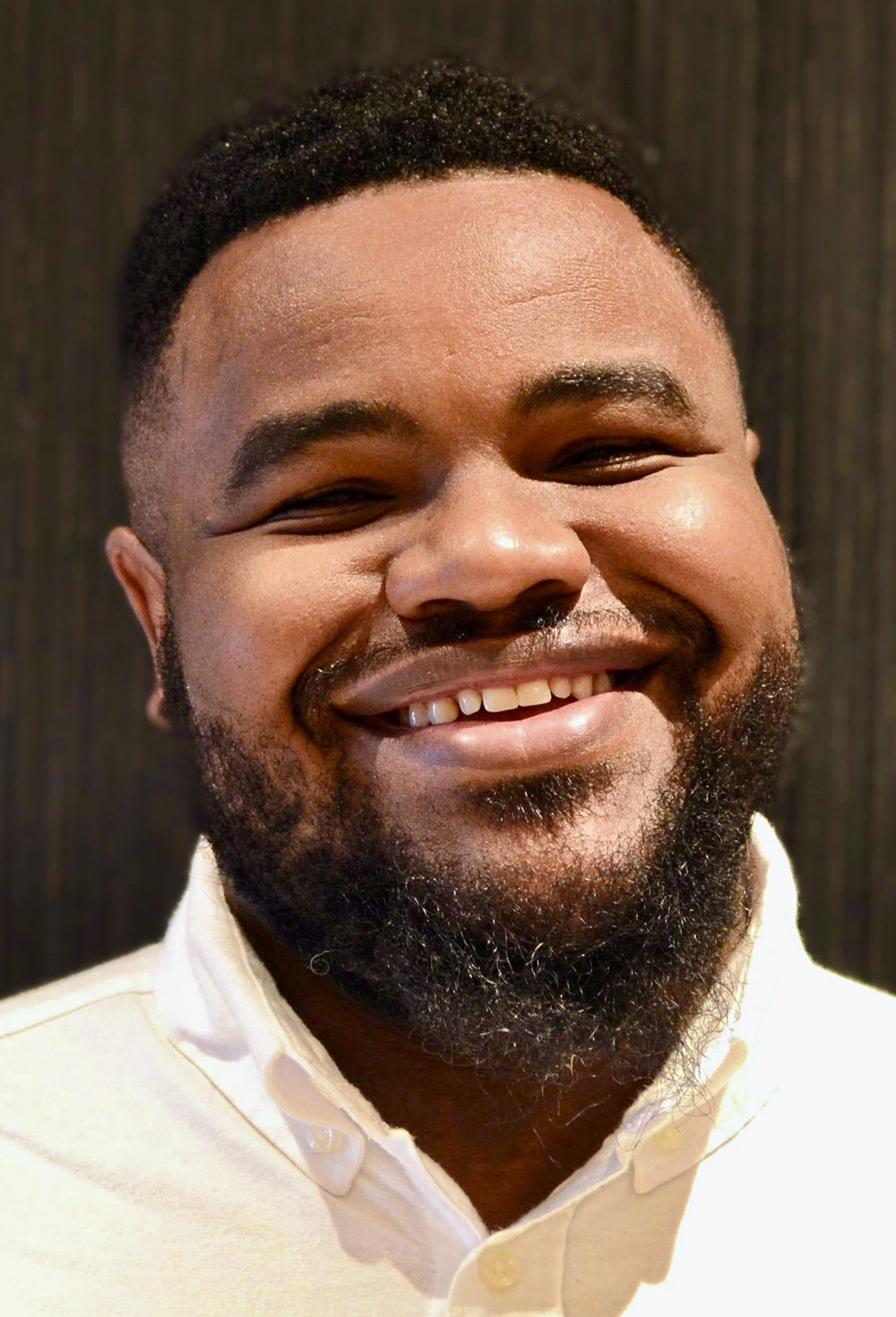
Braxton Wade
I wanted something light to play in the background, and somehow I landed on the 2016 Pixar film Finding Dory. I never had watched the whole thing. I knew Dory was the little blue fish who couldn’t remember much of anything, and that seemed like safe company for an afternoon of chores.
I was wrong. Somewhere along the way I stopped cleaning, and somewhere after that, I started crying.
If you haven’t seen it, Dory has spent most of her life unable to remember where she came from. She remembers pieces. Flashes. A voice. A feeling. Her parents. But she cannot remember the way back to them.
Then something begins to return. Shells! Dory’s mother loved shells. And when Dory finally gets close to the place where she grew up, she finds one. Then another. And another. She follows them across the ocean floor, a trail leading all the way home. Her parents had put them there. All those years. They knew their daughter might forget. They knew she might get lost. But they also knew Dory. They knew that if she ever got close enough, she would recognize the shells. So they kept putting them out. And waiting.
That’s the point where I lost it.
Because I know something about trying to find your way home. Last week marked one year since I left Starbucks. One year since I walked away from a career I knew how to do, a paycheck that arrived when it was supposed to, a trajectory I could explain to people. I left because somewhere deep inside me I believed God was calling me back to full-time vocational ministry.
“I knew I had heard something. I knew I couldn’t unhear it.”
I wish I could tell you I left knowing exactly where God was taking me. I didn’t. I knew I had heard something. I knew I couldn’t unhear it. So I walked. And for much of this year I have been asking God where this is going and whether God brought me here to abandon me.
Sometimes that is what faith sounds like. Less like “Here I am, Lord, send me” and more like “Lord, I came. Now where are you?”
This year has given me plenty of reasons to ask. I have preached and written and applied and waited. I have watched doors crack open only to close again. I have found myself back in corporate America, doing work I know how to do while knowing, somewhere in the marrow of my bones, it is not the work my soul aches for. I have had my heart broken. I have been surrounded by people and felt terribly alone.
And yet there is a calling. I didn’t go looking for it, but I said yes, and now it is what my heart and soul long for: a call to serve as pastor a local congregation. On paper it looks like so much of what I have prayed for. I would love to tell you I have reached some spiritually mature place where I can shrug and say, “Whatever the Lord wants.”

Screencap from “Finding Dory”
No. I want it. I pray about it. I imagine it. And I do not know whether it will be mine.
Maybe that is why I needed Dory. Because while I have been staring ahead, demanding that God show me where this road leads, something strange has been happening. I have been finding shells.
Last week, I walked through the old Northminster Baptist Church at the corner of Westwood and Moss Side in Richmond. I first walked those halls at 17, and in that place something my heart had known for years became something my head could begin to understand. I began to find language for this strange sense that my life’s work belonged somehow to the work of God. Last week, I walked those halls again. Shell.
“While I have been demanding that God show me where this road leads, I have been finding shells.”
On Friday, I volunteered with Tabernacle Baptist Church, the church I last served as associate pastor. I walked those halls and talked with the pastoral staff and remembered the people who trusted me to sit beside hospital beds, stand behind pulpits and show up in moments of joy and grief and who taught me that being a pastor has very little to do with having all the answers and almost everything to do with being willing to stay. Shell.
Two weeks ago, I officiated the wedding of two people who had been members of the church I planted, the church that taught me how to be a senior pastor and taught me you can’t separate Jesus and justice. There is grief in that sentence, because that community has since closed. But there I stood, years later, looking at two people whose lives had been touched by that community, getting to bless the life they were beginning together. Shell.
And suddenly, watching a blue fish follow a trail across the ocean floor, I could see them. Not seashells. Stones.
The old church had a name for them. Ebenezer. The word comes from a story in 1 Samuel. God’s people have known fear and failure and enemies and uncertainty. And after God carries them through once again, Samuel takes a stone and sets it down. He names it Ebenezer: “Thus far the Lord has helped us.”
Notice the difference. Dory’s parents laid the shells for her to find. Samuel lays the stone himself. God leaves a trail, and we are the ones who stop and mark it.
Thus far. Lord, have mercy. There is a whole theology in those two words.
“Thus far” does not tell you what happens tomorrow. “Thus far” does not promise you the job. “Thus far” does not promise you the church. “Thus far” doesn’t make the search committee call. “Thus far” does not put the relationship back together or make the diagnosis disappear or bring the child home or end the war or answer the prayer you have been praying so long you are beginning to wonder whether anybody is listening.
“Thus far” simply asks you to look back. Look at the stones. Look at the shells. Look at all the places you should have lost your way but somehow didn’t. Look at the doors you thought would destroy you when they closed. Look at the people who showed up. Look at the mornings when grief should have kept you in bed but somehow your feet touched the floor. Look at the prayers you thought went unanswered until years later you realized the answer simply didn’t look like what you requested.
Thus far. The Lord has helped us.
Maybe hope isn’t pretending I don’t want this calling. Maybe hope isn’t pretending I don’t have questions about what this last year was for. Maybe hope is remembering that I have been lost before and there were shells then, too.
The God who has carried me thus far has not forgotten the way home. The same is true for you.
Thus far the Lord has helped us. And the same faithful God who met us there is still calling us home.
Braxton Wade is a Clemons Fellow with BNG. He is a graduate of the University of Richmond and Chicago Theological Seminary and lives in Richmond, Va. He is currently a Ph.D. student at Yale Divinity School.