


When Sam Collier resigned from Hillsong Church in 2022 amid the unraveling of the church’s U.S. leadership and growing scrutiny of its internal culture, many assumed his public ministry had reached an inflection point, if not an end.
However, three years later, Collier was re-ordained and installed as lead pastor of the Atlanta campus of the Christian Cultural Center, one of the largest megachurch networks in the country. Church leaders framed the move as the culmination of a restoration process grounded in prayer, accountability and grace.
That decision now has collided with renewed public allegations raised by his former wife, Toni Collier, reopening questions the church often prefers to consider settled.
In October, Toni Collier appeared on multiple podcasts and interviews describing a marriage marked by secrecy and repeated infidelity. She recounted a 2023 incident in which she says her former husband told her he was being extorted by a transgender sex worker he had paid for sex, alleging the encounter escalated into a physical altercation. These reports were made public for the first time months after Collier already had returned to the pulpit and been re-ordained by CCC.
 Police records confirm Collier reported being harassed and extorted. They do not independently substantiate all the details described in Toni Collier’s statements. Sam Collier has acknowledged what he has described as “unhealthy coping mechanisms” and the extortion attempt, while disputing aspects of her narrative and accusing his former wife of verbal abuse.
What has further intensified scrutiny is that Collier was restored and installed as lead pastor even after his former wife’s podcast interviews were publicly available. By the time Christian Cultural Center finalized his restoration, Toni Collier already had shared detailed accounts of the marriage’s collapse, including allegations involving paid sex, extortion and violence.
Church leadership proceeded with the installation anyway, presenting the matter as resolved through an internal restoration process. That sequence — public allegations followed by ecclesial reinstatement — has left many wondering whether restoration is being treated as a theological conclusion rather than an ongoing, accountable practice, given that serious claims remain in the public record.
Christian Cultural Center leadership has defended its decision, emphasizing grace and internal accountability while declining to publicly outline the specific contours of that process.
What troubles many observers is not simply the unresolved factual disputes, but the sequence itself. Hillsong’s reckoning forced churches across the country to confront the cost of charismatic leadership without clear structures of accountability.
The Collier case suggests those lessons remain unevenly learned despite Collier’s resignation from Hillsong due to the unraveling of its culture. In congregational traditions without centralized oversight, credibility rests on trust. Trust depends on whether churches demonstrate that restoration includes boundaries, transparency and care for those harmed — not only reinstatement for those restored.
The presence of a transgender sex worker in the allegations has further intensified public reaction, with evangelicals pulling attention toward LGBTQ outrage rather than the underlying issues of power, secrecy and pastoral manipulation. In this dynamic, marginalized people risk becoming props in a story ultimately centered on institutional reputation. Sam Collier said during a service on Jan. 4, 2026, that he is heterosexual.
For Baptists and other congregational communities, the question is not whether grace should be extended. The question is: How do we ensure grace coexists with accountability and dignity for survivors?
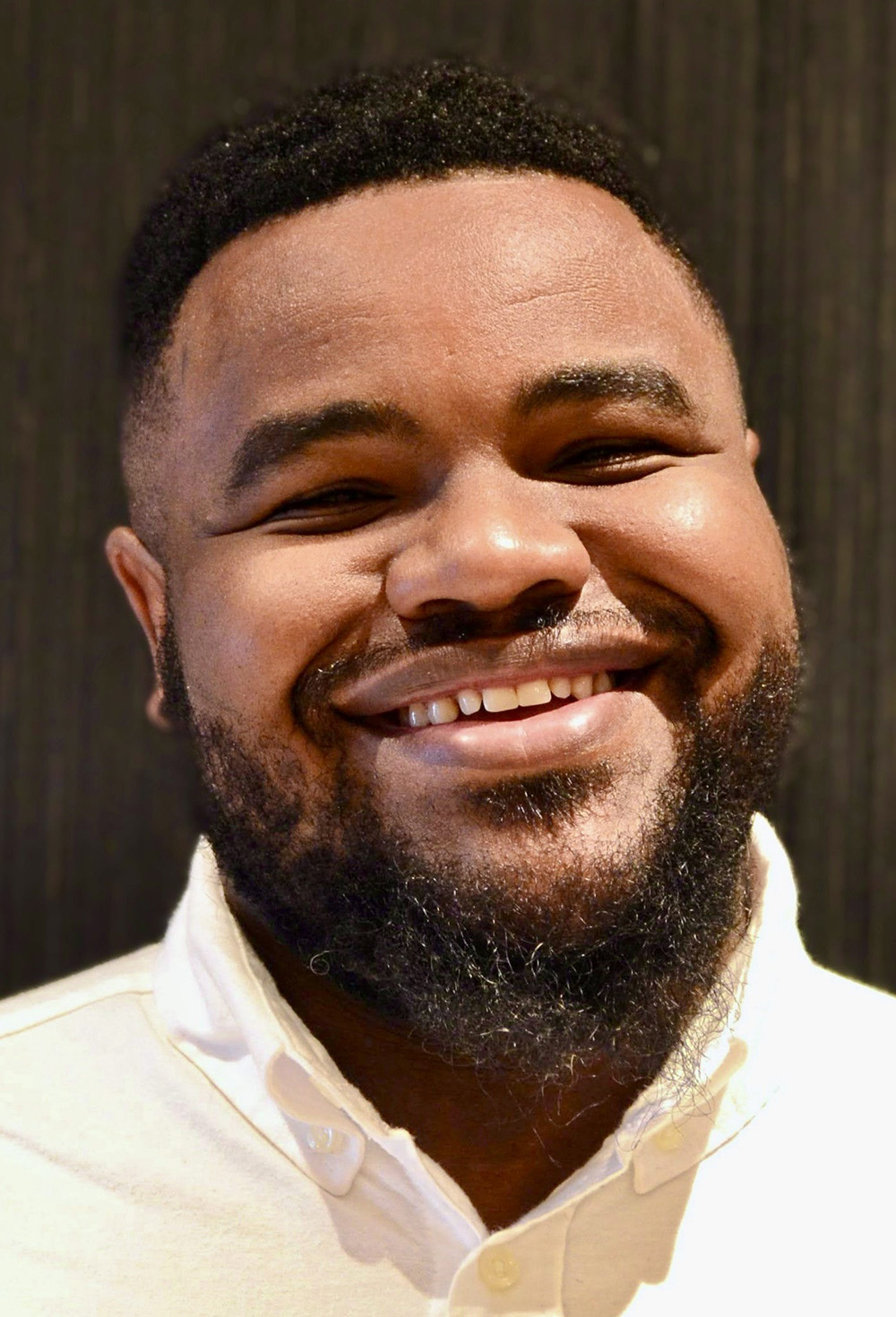
Braxton Wade
Braxton Wade is a Clemons Fellow with BNG. He is a graduate of the University of Richmond and Chicago Theological Seminary and lives in Richmond, Va.