


In 1993, I was a 21-year-old rookie truck driver from Silver Creek, Miss., on Interstate 90 in North Dakota, driving west toward Billings, Mont. I was driving for Burlington Motor Carriers based in Daleville, Ind., a company that hauled anything from motors to groceries. Gripping the wheel, I steered the truck as it hummed steadily at 62 mph.
I was alone, no cell phone, no cassette player, just the road and my thoughts — uncertain about whether I could endure the isolation and monotony of this life for long.
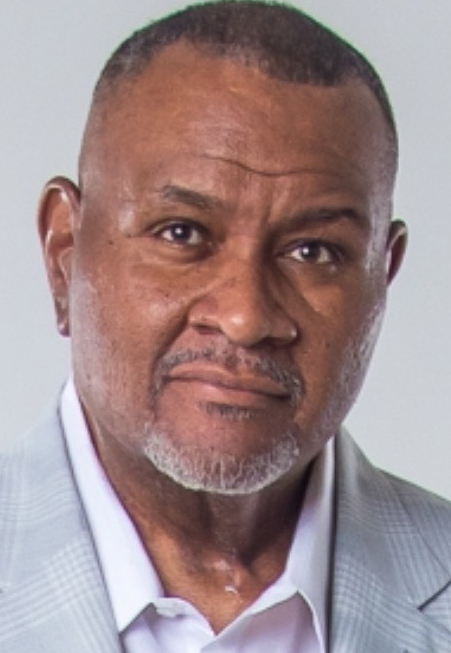
Wesley E. Bridges
Fast forward 25 years, and my body bore the toll of those miles, poor eating habits and a lack of self-care. Chronic pain and fatigue signaled it was time for a transformation. At 46 years of age with only a semester of college behind me, I questioned how I could reinvent myself as a weary essential worker to someone with renewed purpose and productivity.
In my search for change, I turned to prayer, being raised in a spiritual household. We went to church, Sunday school and Bible study weekly. Asking for guidance and renewal, the Lord heard my plea and answered.
“In my search for change, I turned to prayer.”
I discovered a deep passion for helping people, especially those who are marginalized, criticized and ostracized. This newfound purpose led me to a pivotal moment that would alter the course of my life.
On Martin Luther King Jr. Day, when I was 47 years old, and despite excruciating back pain that made sitting nearly impossible, I attended a prayer breakfast in Monticello, Miss., where I had agreed to serve as program lead.
Standing offstage between my duties, I met a man who would become instrumental in my transformation. Pastor CJ Rhodes, the keynote speaker, exuded warmth and compassion. Not only a pastor, and director of religious and spiritual life at Alcorn State University in Lorman, Miss., he founded Clergy for Prison Reform in 2015. I approached him with my broken-down body and shared my desire to be involved in ministry full time. He invited me to join his organization for a meeting with families impacted by incarceration. I had no idea how many Black and brown people were incarcerated.
According to Statista, in 2022 about 1,826 Black men per 100,000 residents were imprisoned in the United States. This rate was much lower for Black women, at 64 per 100,000 residents. The overall imprisonment rate in 2022 stood at 355 per 100,000 Americans.
As of early 2025, about 1.9 million people are incarcerated in the United States. This includes individuals held in federal and state prisons, local jails, juvenile facilities, immigration detention centers and other correctional institutions.
That meeting was life changing. I sat among women and children, mothers, wives and daughters who poured out their hearts, sharing the burdens they carried. Their stories revealed the harsh realities faced by incarcerated individuals and their families. They spoke of exorbitant phone call charges, overpriced commissary items and the emotional toll of separation.
There is an enormous disconnect with ongoing needs of those impacted by the criminal justice system as the general public only seems concerned about prisons when celebrities are facing charges, are on trial or are convicted, including Sean Diddy Combs, Russell Brand, R. Kelly, Elizabeth Holmes or Harvey Weinstein. But outrageous injustice happens every day.
“It became clear to me families do time with every incarcerated individual.”
What struck me most were the accounts of inhumane conditions within Mississippi’s prisons. Families described molded, rat-infested facilities, lack of running water for showers, overflowing sewage. They shared photographs that documented the squalid environments their loved ones endured. It became clear to me families do time with every incarcerated individual.
According to Pitchfork, 227 inmates at the Mississippi State Penitentiary at Parchman in 2020 secured representation and filed a class-action lawsuit due to subhuman conditions. This facility in particular has garnered national attention for its deplorable conditions.
In 2015, the U.S. Department of Justice investigated Parchman for failing to protect individuals against violence and systemic failures to meet the mental health needs of persons incarcerated.

Mississippi State Penitentiary at Parchman, Miss., Unit 29A photographed February 11-12, 2020, during an assessment of living conditions by medical experts allowed by a judge as part of recent lawsuits file by Yo Gotti and Team ROC on behalf of Mississippi inmates.
A 2022 DOJ report found Parchman violated the U.S. Constitution due to unsafe conditions, including inadequate mental health treatment and excessive use of solitary confinement.
The investigation revealed that since a riot in December 2019, 10 inmates were killed and 12 committed suicide at Parchman. The Justice Department determined these conditions breached the Eighth and Fourteenth amendments and warned Mississippi of potential legal action if the issues were not addressed.
Further investigations have uncovered systemic failures at Parchman. Reports have documented more than 400 cells with problems such as flooding and leaks, lack of lights, power and water, broken toilets and sinks, and missing pillows and mattresses.
Environmental sanitation deficiencies include instances of black mold and mildew, exposed wiring, raw sewage, and inoperable showers and ice machines. These issues have been persistent over the years, with many being repeated across state health inspection reports since 2016.
The environmental injustices at Parchman extend beyond the prison walls. Investigations have revealed the prison’s wastewater system is in disrepair and mismanaged. Malfunctioning equipment has caused Parchman to discharge raw sewage into surrounding waterways, violating the Clean Water Act.
Additionally, the drinking water within the prison has been reported as discolored and foul-smelling, leading to health concerns among inmates, according to the National Resources Defense Council,
These revelations sparked outrage and calls for reform. Activists and organizations like Clergy for Prison Reform have been advocating for systemic changes for years to address the inhumane conditions within Mississippi’s prisons. These efforts aim to bring justice and dignity to those incarcerated and their families.
My encounter with CJ Rhodes and involvement with Clergy for Prison Reform provided me with a platform to serve others and advocate for those whose voices often are silenced. Through this ministry, I have found a renewed sense of purpose and fulfillment.
Rhodes appointed me CEO in 2018, and Clergy for Prison Reform is celebrating 10 years of advocacy. As the prophet Micah said: “He has shown you, O mortal, what is good. And what does the Lord require of you? To act justly and to love mercy and to walk humbly with your God.”
This Scripture guides my work and fuels my passion for prison reform. I am committed to standing alongside those affected by the injustices of the prison system, advocating for change, and embodying the love and mercy that Christ exemplified.
The first 1 million miles were lonely in my 18-wheeler. These next 1 million miles to transformation won’t be.
Wesley E Bridges is CEO of Clergy for Prison Reform and a member of the Public Voices Fellowship at The OpEd Project.