


Among Baptist-related universities, decisions about diversity, equity and inclusion are no longer simply administrative adjustments. They have become theological decisions in broader debates about identity, governance, theology and political risk.
Recent developments, from Samford University’s closure of its DEI office to the mounting pressure faced by Belmont University, reflect not only external political forces but also internal institutional calculations about mission, compliance and credibility.
At Samford in Birmingham, the decision to shutter its DEI office represents not an isolated course correction but an additional misstep in a troubling trajectory. It follows earlier moves to narrow or eliminate academic programs and initiatives explicitly focused on race, ethnicity and social justice. It also follows their decision to ban all LGBTQ-affirming churches and denominations from events on campus.

Samford University campus
Taken together, these decisions signal more than legal caution; they suggest a retreat from sustained, structural engagement with questions of equity and belonging at the heart of Christian formation.
University leaders have framed Samford’s DEI closure as a response to shifting federal guidance and an effort to ensure compliance with anti-discrimination laws. Those pressures are real and deserve serious consideration. Yet, when examined alongside prior decisions, the pattern becomes harder to dismiss as merely pragmatic.
In Baptist higher education, structures are never neutral. They communicate priorities. And when multiple structures oriented toward justice and inclusion are dismantled in succession, the cumulative message is difficult to ignore.

Belmont University campus with downtown Nashville in the background.
Belmont University in Nashville occupies a different but related position in this landscape.
“The temptation is strong to reduce visible risk, even if doing so narrows moral imagination.”
Rather than closing its Hope, Unity and Belonging initiative, Belmont has faced intense political scrutiny for maintaining it. Republican state and federal officials have publicly questioned whether the program constitutes DEI “by another name,” urging investigations and compliance reviews. Belmont President L. Gregory Jones’ response to this pressure has been to reaffirm the university’s mission and to focus on the “symphony of all voices” that D’Angelo Taylor, vice president for HUB at Belmont, is cultivating.
What connects Samford and Belmont is not mutual strategy, but shared pressure. In conservative political environments, DEI has become a symbolic target, often framed as ideological excess rather than educational responsibility. For Baptist-related institutions dependent on donor trust, denominational goodwill and public legitimacy, the temptation is strong to reduce visible risk, even if doing so narrows moral imagination.

Wait Chapel at Wake Forest University
Wake Forest University offers a contrasting model. While no longer expressly Baptist, it carries Baptist roots and has approached equity work with a different institutional logic. Rather than eliminating commitments to inclusion, Wake Forest has sought to embed them across the university’s academic, administrative and formational life. Equity work is not treated as a siloed office, but as a shared institutional responsibility. Wake Forest has built this into the fabric of the ever-expanding culture of who they want to be both today and in the future.
That commitment is especially visible in Wake Forest’s School of Divinity. Recent leadership appointments, shaped by scholars whose work engages faith, justice and public life, signal a refusal to separate theological formation from the realities of power, difference, race and social complexity. Here, inclusion is not managed away; it is wrestled with as a core theological task.
Together, these cases reveal a widening divide within Baptist and Baptist-adjacent higher education. The question is no longer whether institutions face pressure around DEI, but how they interpret what faithfulness requires under that pressure.
For some, faithfulness is increasingly defined as minimizing exposure. For others, it includes sustaining structures that protect marginalized students and speak the truth about power, even when doing so carries cost.
At stake is more than institutional policy. It is theological coherence. The Imago Dei cannot remain a doctrine we affirm while dismantling the practices meant to uphold it. As Aurelia Pratt reminds us in A Brown Girl’s Epiphany: “Belonging does not happen by accident. It is an act of courage, repeated over time, in systems that would rather keep things as they are.”
These and other Baptist universities now stand at that crossroads. They can choose retreat, reframing justice as expendable when it becomes inconvenient. Or they can choose the harder, holier work of courage, building institutions where belonging is not assumed, posted on a website and taught in the classroom as a hope and dream, but practiced and ideally embodied.
The decisions being made now will shape not only campus policies, but the kind of Christian witness these universities offer to the world closely watching.
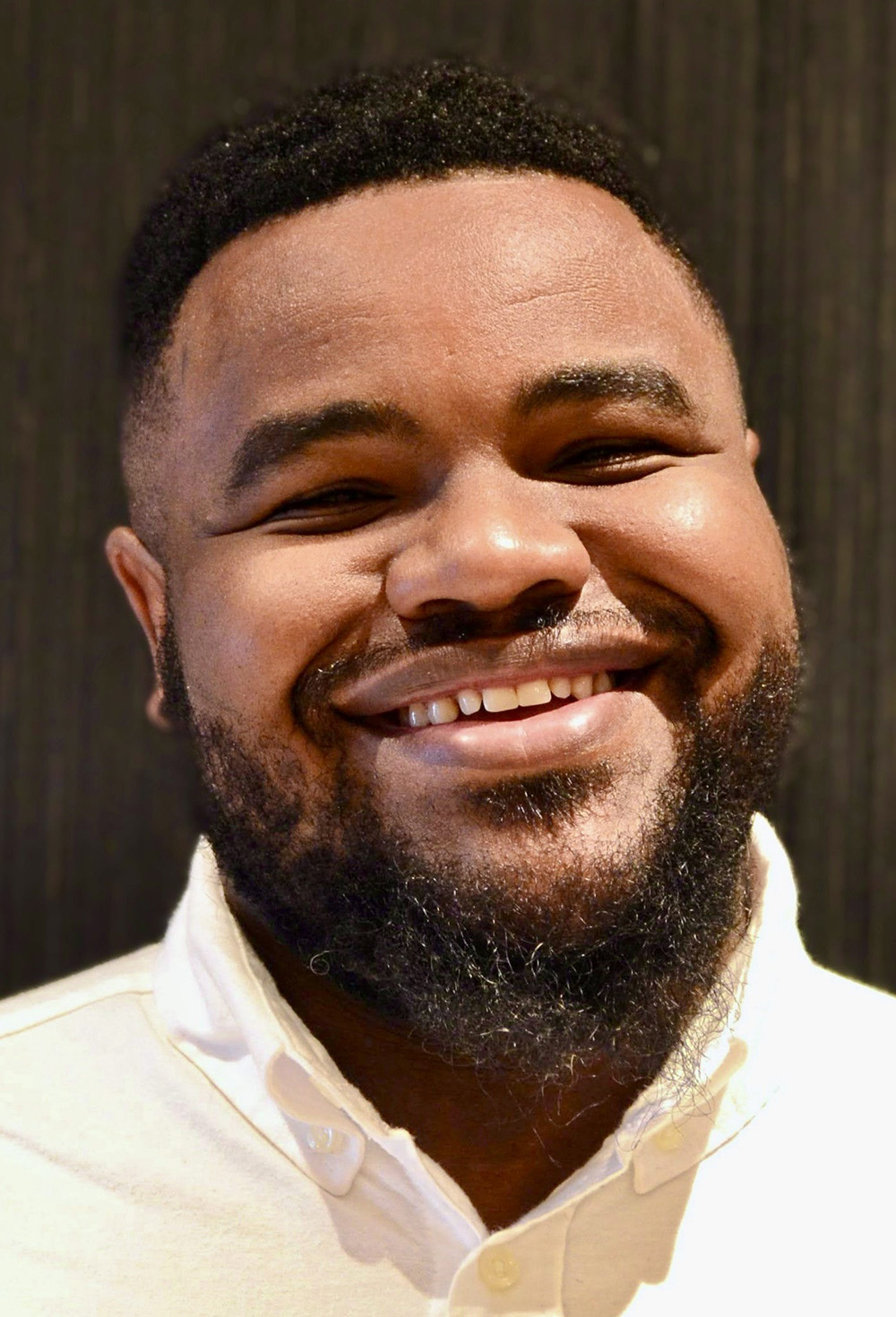
Braxton Wade
Braxton Wade is a Clemons Fellow with BNG. He is a graduate of the University of Richmond and Chicago Theological Seminary and lives in Richmond, Va.
Related articles:
Samford University excludes Presbyterians and Episcopalians
Is it possible for a Baptist school to maintain top-tier recognition and still discriminate against gay students? | Analysis by Rodney Kennedy
Might what’s happening at Belmont explain what’s happening at Baylor? | Analysis by Mark Wingfield