


Religious groups are hoping for the best and preparing for the worst now that immigration raids can be conducted in churches, schools and other spaces historically off limits to such actions.
The Trump administration rescinded previous guidance barring Immigration and Customs Enforcement and Customs and Border Protection personnel from entering so-called sensitive locations such as houses of worship, schools and hospitals. The “day one” directive is part of the president’s plan for the mass deportations of immigrants.
Congregations have responded to the situation in several ways, including by designating safe areas inside facilities, training staff and volunteers on how to respond during raids, and by filing litigation against the federal government allowing arrests on sacred ground. National and state denominational bodies have provided guidance to clergy and congregations on ways to navigate the new reality.
Fort Worth example
At Broadway Baptist Church in Fort Worth, Texas, Senior Pastor Ryon Price said staff members were sent a memo explaining the church’s policy is to comply with all federal, state and local laws, and ICE agents are to be permitted in the public areas of church property.
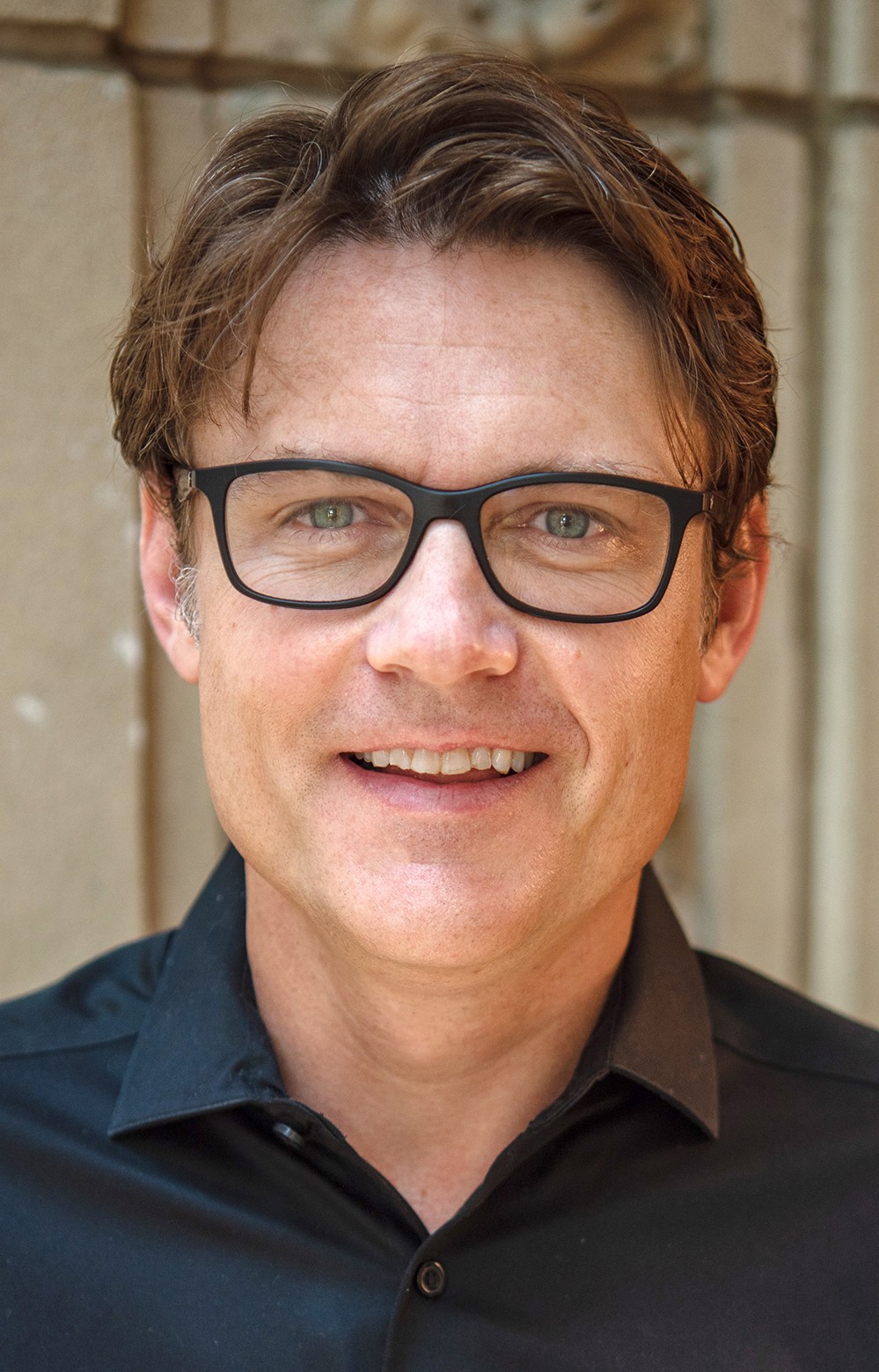
Ryon Price
“In compliance with the law and church policy, the memo also stated no records or access to non-public areas, or information about or access to a person should be provided, unless a warrant signed by a judge or magistrate is provided,” Price said in a Jan. 31 social media message to the congregation.
Staff and volunteers also were advised to exercise the right to legal counsel before responding to questions on sensitive issues.
Broadway’s Justice Committee condemned immigration raids in once-protected locations as violations of religious freedom.
“No one should be forced to avoid care or sacrifice religious liberty because they fear detention, deportation or family separation.”
Hospitals, schools and churches “should be safe and free to offer physical care, educational growth and spiritual comfort without fear,” the committee said. “Eliminating sensitive location protection creates a climate of fear that promotes discrimination and unnecessary suffering. No one should be forced to avoid care or sacrifice religious liberty because they fear detention, deportation or family separation.”
The committee urged church members to contact legislators and urge reinstitution of sensitive location exemptions.
Price reminded the congregation of Broadway’s mission to create a welcoming world and church. “Hospitals, schools and houses of worship should be safe sanctuaries for all people. In a time like this, it’s important that the church raise its voice and say so bravely,” he said.
Denominations offer guidance
Denominational and advocacy groups have jumped into the fray by offering suggestions on how to handle possible federal raids at churches.
From its headquarters in Salt Lake City, the Church of Jesus Christ of Latter-day Saints issued guidance churches should follow with love, family unity and the law in mind. LDS congregations were reminded to obey all laws, to follow Christ by loving neighbors including immigrants, and to continue providing clothing, food and other necessities regardless of recipients’ immigration status.
“We are especially concerned about keeping families together,” the guidance says.
Dylan Corbett
The National Latino Evangelical Coalition hosted a webinar advising churches to appoint and train spokespersons to help de-escalate ICE encounters and suggesting youth ministers be prepared to respond if children become separated from parents during raids.
Catholic leaders and parishes must continue speaking out against enforcement actions in churches and schools but be ready for them at the same time, said Dylan Corbett, executive director of the Hope Border Institute, a Catholic advocacy and humanitarian organization based in El Paso.
“Bishops and faith leaders across the country are right to point out the religious liberty implications, and our Catholic institutions need to prepare,” Corbett said in an OSV News report. “Our freedom to be the body of Christ is at stake — to be a place of welcome and healing, to preach the gospel of Jesus Christ to all persons, and to be a sign of reconciliation and mercy in a broken society.”
“Our freedom to be the body of Christ is at stake.”
The United Church of Christ issued a fact sheet for congregations with immigrant-welcoming ministries and those engaged in the sanctuary movement seeking to shield immigrants from arrest and deportation.
“Sanctuary is not a legal concept in U.S. law. In Medieval Europe, sanctuary meant a person could seek refuge in a church from law enforcement, and while a person was sheltered in a church, the person could not be apprehended by law enforcement. No modern legal counterpart exists in the U.S. today,” the sheet says.
UCC also directed churches to seek legal counsel to determine if any aspect of their immigrant ministries violates the law.
“Welcome all to your faith community without asking about immigration status, race, ethnicity, sexual orientation or gender identity,” the advisory says. “Your local church can host legal service clinics, refer community members to social service organizations and work with government agencies to serve immigrants who have already been processed by the government. Acts of public witness in support of immigration reform are also powerful.”
Those concerned about possible ICE agents at their churches “should make a plan NOW,” the document adds. “The plan should include training workers/volunteers who are likely to be at the church, and analyzing the church’s private and public areas, as ICE cannot go into the private areas of a church without a judicial warrant.”
Private spaces include offices and should be clearly marked, the UCC said, and lobbies are an example of public spaces.
“You should call your church’s immigration attorney before speaking with ICE.”
“No one at your church is required to talk to ICE, give ICE agents any information or say anything about anyone’s immigration status,” the advisory continues. “You should call your church’s immigration attorney before speaking with ICE.”
Public vs. private spaces
In a recent worship guide, First Baptist Church of the City of Washington, D.C., alerted members to be on the lookout for new signs designating private and public areas.
“The use of raids and other enforcement actions conducted by U.S. Immigration and Customs Enforcement are increasing. To make our building a space of safety and welcome to all people, we will be designating certain spaces ‘public’ and ‘private,’” church leaders explained.
Public areas will be open to all, including ICE agents, and can be accessed without search warrants, the bulletin stated. “Private spaces may not be entered without a valid judicial search or arrest warrant. These designations are intended to create safety, hospitality and welcome in our building as we continue to live into our mission of creating a space of belonging.”
A coalition of Quaker meetings went much further by suing the federal government Jan. 27 to block immigration raids in churches and other protected areas. “Allowing armed government agents wearing ICE-emblazoned jackets to park outside a religious service and monitor who enters or to interrupt the service and drag a congregant out during the middle of worship is anathema to Quaker religious exercise,” the legal brief says.
The litigation argues such raids in houses of worship infringe on constitutional rights: “The very threat of that enforcement deters congregants from attending services, especially members of immigrant communities. Losing congregants is a substantial burden on plaintiffs’ religious exercise, especially when those congregants would bring to worship different backgrounds and life experiences. And deterring worshippers from attending services chills plaintiffs’ First Amendment rights of association.”
The lawsuit was filed the day after Wilson Velásquez, an immigrant with proper documentation, work authorization and no criminal record, was arrested outside Iglesia Fuente de Vida, a church in Dekalb County, Ga.
Related articles:
Quakers file suit to stop ICE raids at churches like what happened Sunday
‘My church may not be entered by federal agents, but it is not only my church that concerns me’ | Opinion by Rory Naeve
America needs a new sanctuary movement today | Opinion by Alexandra Villarreal
ICE raids in churches violate conservative principles | Opinion by David Bumgardner