


In a nation built on the power of ink, intellect and ideals, a silent war has erupted — not in the streets, not in the skies, but on the hallowed academic grounds of America’s most prestigious institution: Harvard University.
The year is 2025, and the stage is set for a clash of unprecedented proportions — President Donald J. Trump vs. Harvard University.
Once home to eight U.S. presidents — John Adams, John Quincy Adams, Rutherford B. Hayes, Teddy Roosevelt, Franklin D. Roosevelt, George W. Bush, Barack Obama, John F. Kennedy — Harvard has served as a presidential launchpad, producing more heads of state than any other academic institution. Founded in 1636, before the birth of the U.S. itself, Harvard long has stood as the intellectual cornerstone of American power, elite thought and global prestige.
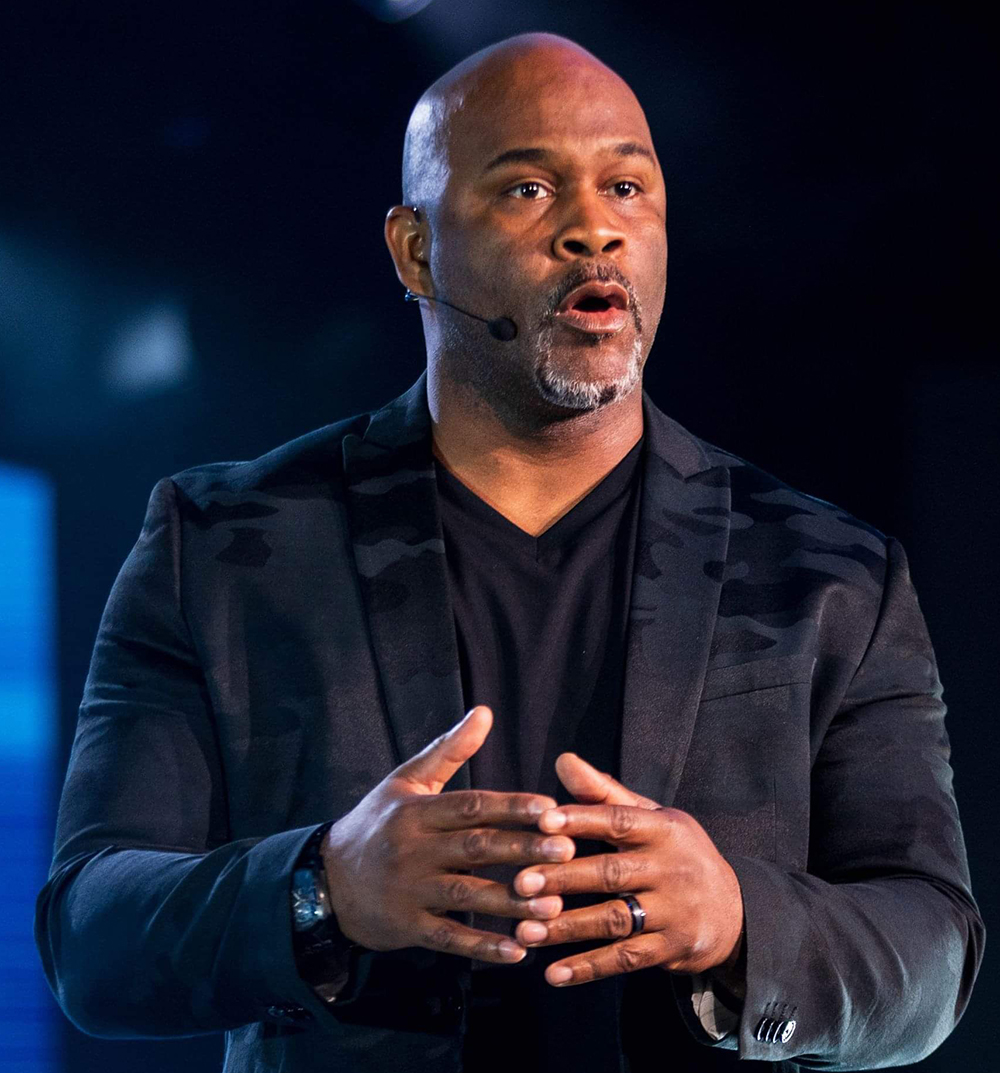
Edmond W. Davis
But this time, the threat is not from across the ocean or through the lens of an ideological Cold War. Instead, it’s coming directly from 1600 Pennsylvania Ave.
President Trump, a Wharton School (University of Pennsylvania) alumnus, has launched an offensive to revoke Harvard’s tax-exempt status, citing “hostile learning environments,” “un-American protest activity” and “failure to comply with national security regulations.” As the self-proclaimed guardian of American values, Trump has targeted Harvard’s FAS Registrar’s Office demanding full access to foreign student records, their disciplinary histories, and even alleged protest participation.
“This time, the threat is not from across the ocean or through the lens of an ideological Cold War.”
Why?
According to the Department of Homeland Security, under new Secretary Kristi Noem, Harvard has become a “safe haven for ideological extremism” and a “threat to national security.” The DHS canceled $2.7 million in federal grants, including programs meant to combat human trafficking and mass violence, accusing the university of “weaponizing public health” and painting conservatives as “far-right dissidents.”
But Harvard isn’t flinching.
Spokesperson Sarah E. Kennedy O’Reilly stated firmly, “We will not surrender our independence or relinquish our constitutional rights.” Harvard has refused to comply with the sweeping data requests, choosing constitutional integrity over coercion.
As federal agencies threaten to revoke SEVP certification (the license that allows Harvard to host international students), a moral and political question arises: “What color or ancestry are the international students now being portrayed as existential threats to Americanism?”
Data suggest Harvard’s international student body includes students from Africa, Asia, Latin America, the Middle East and Eastern Europe. Yet Trump-era policies often place disproportionate scrutiny on those from Black, brown, Muslim and immigrant-rich nations — not Canada, Western Europe or Australia.
Meanwhile, systemic homegrown terrorism — from mass shooters, domestic militias and white nationalist groups — receives a fraction of the federal scrutiny, despite accounting for the majority of terrorist attacks on American soil since 2001.
So, the real question remains: “Why is federal attention hyper-focused on foreign scholars while ignoring domestic threats that have historically targeted Americans of color, faith and conscience?
Here are five solutions to the Harvard vs. Trump standoff:
- Judicial intervention via the Supreme Court: Harvard can file an emergency injunction to block the DHS from revoking SEVP certification or canceling federal funds, arguing violations of the First and Fourth Amendments, and Title VI (racial discrimination in federally funded programs)
- Unified Ivy League response: All eight Ivy League schools (Harvard, Yale, Princeton, UPenn, Columbia, Brown, Cornell, Dartmouth) could issue a collective legal and moral statement, refusing to share sensitive student data. This solidarity could deter unilateral targeting and set a precedent for academic independence.
- Congressional oversight and subpoena power: Lawmakers on the House and Senate Education Committees can demand documentation from DHS and the Trump administration about the legal basis for its actions, issuing subpoenas if necessary to expose politically motivated abuses.
- International diplomatic pressure: Nations with large student populations at Harvard (India, China, Nigeria, South Korea) could place diplomatic pressure on the U.S. to reinstate protections for their students — placing global optics and economic consequences on the line.
- Student and alumni advocacy mobilization: Harvard’s vast alumni network — including governors, Supreme Court justices, CEOs and world leaders — can mobilize media campaigns, legal funds and protests to expose the political nature of this academic assault and protect vulnerable students.
One final thought: This is more than a clash between a former president and a university. It is a collision of two worldviews: one grounded in authoritarian power, the other rooted in intellectual freedom.
Harvard, like many institutions, is not above critique. But the weaponization of federal agencies to intimidate scholars, censor voices and rewrite the rules of democracy is a red flag for all Americans.
Will this be the last round? Or is Round 2 on the way?
Stay tuned.
Edmond W. Davis is a journalist, social historian, Tuskegee Airmen global scholar and emotional intelligence expert.
Related articles:
20 reasons a military parade for Trump’s birthday is a bad idea | Opinion by Edmond Davis
It’s time to name and prosecute Trump’s minions | Opinion by Mark Wingfield
Trump’s fight against international students hits home at Baylor
Trump officials cite Harvard Divinity as one of university’s ‘schools of concern’