


Fourteen years ago, I was getting ready to walk into a church where I was the guest speaker on a Wednesday night. I never had been there before and was not sure where to go. A man was walking through the parking lot, and with a smile I asked, “Excuse me, sir, where do I enter the church?”
He seemed a bit annoyed and responded, “You’re not from around here, are you?”
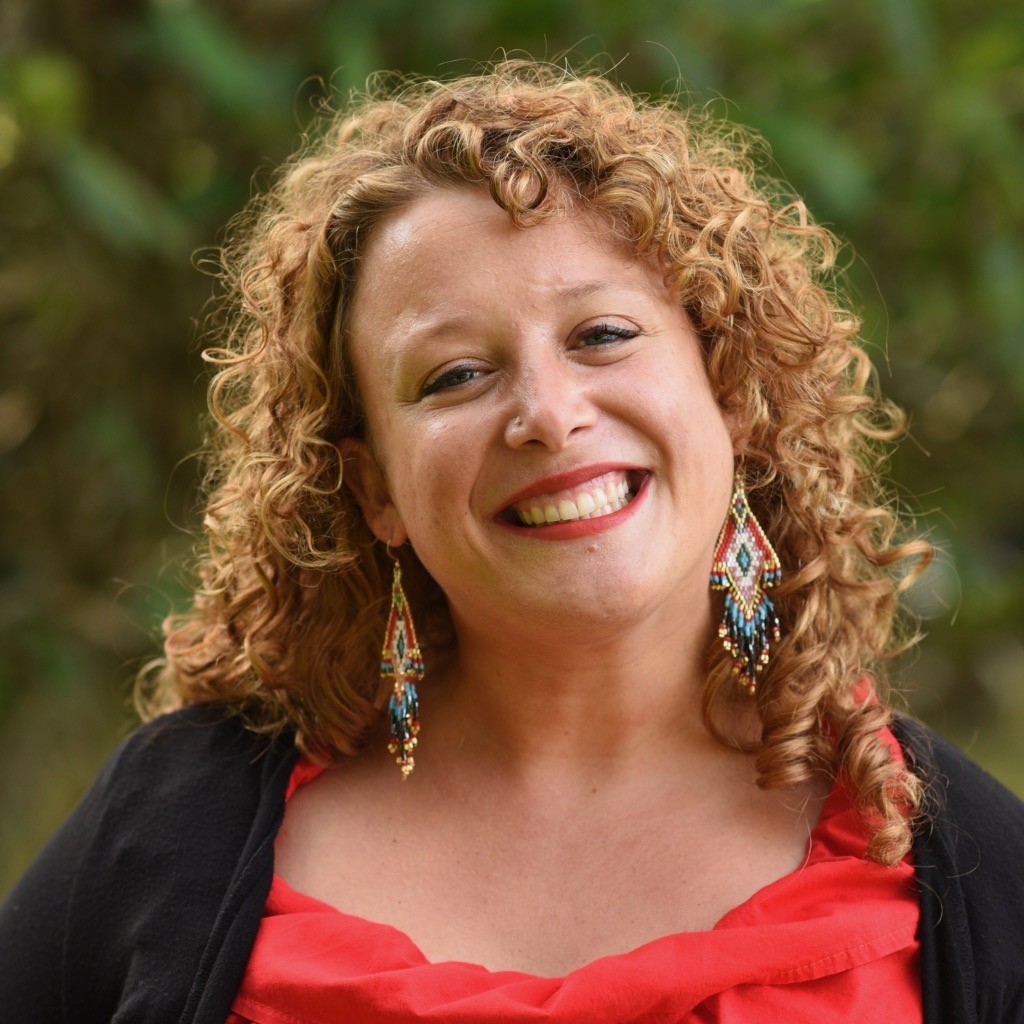
Missy Ward
His question was prompted by my accent, which was different from his and from many people in his community. After some hesitation, he helped me find the correct entrance.
I was not from his community. I was a guest, but I was treated by this man as an unwelcomed stranger in a church parking lot.
If I had not been the speaker — if I had been looking for a church home or exploring faith — I definitely would have gone somewhere else.
As Christians, we are called to welcome others, including those who speak, look or act differently than us. How we treat the “stranger” among us matters. Often, immigration is discussed as a political or policy issue, but it is a human issue with ethical and moral implications. Every single refugee and immigrant is a human being, created by God, and deserves to be treated equally with dignity, compassion and respect.
“Every single refugee and immigrant is a human being, created by God, and deserves to be treated equally with dignity, compassion and respect.”
Today, I write this from outside of the U.S., as someone who has lived in Uganda, East Africa, for the last 13 years as an immigrant. My husband is Ugandan, and together we co-lead a ministry serving vulnerable refugee and Ugandan families in our community in Kampala.
I love our ministry, and I love living in Uganda. Even so, it is very difficult to be an immigrant. I am thousands of miles away from members of my family and many close friends, with an 8- to 11-hour time difference between us. If someone falls sick in the U.S., it will take more than 24 hours to get to them, even if I were able to get a ticket to leave right away. Additionally, there are certain things I deeply miss — foods, places and driving on smooth roads.
Communication also can be really hard. Even though English is the official language of Uganda and many people speak English, they often have difficulty understanding me because of my accent and because there are many words and phrases that are different.
These are not my experiences alone. They are a few of the many common challenges among immigrants — large physical distances from family and friends who remain in their home countries, missing holidays and important events, difficulty speaking and being understood because of differences in accent or language, and missing foods and places that feel “normal.”
These challenges are further compounded for refugees who did not have a choice in leaving their home countries. They were forced to flee because of war, persecution or natural disaster. They left abruptly, taking only what they could carry. They often have lost family and friends who have been killed, gone missing or were separated during flight. Many carry deep trauma and have made long journeys to a new country not by choice. They have experienced hardship beyond levels I can ever fully understand as an American.
As I have met and worked with thousands of refugee families over the years, one thing is common: They have experienced incredible suffering, yet they also demonstrate immense strength and resilience. Despite difficult life circumstances, refugees are some of the kindest, most generous and most welcoming people I have ever met.
“Despite difficult life circumstances, refugees are some of the kindest, most generous and most welcoming people I have ever met.”
One of the first refugee women I met was in Fremont, Calif., where I was serving in student missions. She was around 20 years old and had just arrived from Afghanistan as a refugee. I walked into a small apartment that was empty, containing only the few things they had brought from Afghanistan. She welcomed me and gave me a cup of tea. Even with language barriers, we connected simply by being present with one another.
As I was leaving, she ran into the next room and came back holding a small, embroidered handkerchief. She smiled and gave it to me. I was stunned. I shook my head and said, “I can’t take this.” She smiled, reached her hands toward mine, and nodded her head. It was a gift from her heart.
Generous welcome — not because of physical abundance, but because of generous love.
Mama Sahara is one of the incredible refugees who I have been able to meet and befriend over the years. Her family was the first Somali family I met when I first came to Uganda in 2010. Mama Sahara has 16 biological children. But her love stretches beyond her big family. In the time they lived in Uganda, their family welcomed at least 15 children and youth to live with them. These children and youth were alone because they were separated or lost their parents or family. Mama Sahara also welcomed anyone into her home, no matter where they came from. Not because they had abundance, they also faced economic struggles as refugees. But because of generous love.
As an American, I have learned so much about generous welcome and love from refugees, immigrants and Ugandans.
Uganda is now one of the top countries in the world for hosting refugees. It has a landmass the size of Oregon, yet it hosts close to 2 million refugees, along with many more immigrants.
When my Ugandan colleagues have been asked, “Why is Uganda so welcoming?” one responded: “We know what it is like to experience war. We know what it is like to be displaced.” Their welcome comes from knowing what it means to be in the shoes of a refugee or displaced person.
“Their welcome comes from knowing what it means to be in the shoes of a refugee or displaced person.”
More than that, there is an inherent belief in ubuntu within Ugandan and many East African cultures. Ubuntu means, “The God in me sees the God in you.”
How different would American churches, politics and policies be if we had the lens of ubuntu? If we had the compassion and empathy that comes from imagining ourselves in the shoes of another person? If our first questions were not about how different we are, but about how similar we are in our basic human needs for safety, autonomy and dignity?
Jesus’ first response never was, “You’re not from around here.” It was love, compassion and justice — no matter who the person was, where they came from or what their citizenship was.
When asked what the greatest commandment is, Jesus responded in Luke 10:27: “Love the Lord your God with all your heart, and with all your soul, and with all your strength, and with all your mind; and love your neighbor as yourself.”
Our neighbors have names. And those names are not “immigrant,” “refugee” or “illegal alien.” They have names given by their families. But the name given by Jesus is “child of God.”
Missy Ward Angalla is co-founder and co-executive director of Amani Sasa, a ministry providing critical holistic care to vulnerable refugee families in Kampala, Uganda.