


I am tired. And I need the church to hear me when I say that. I am tired in a way that a good night’s sleep will not fix.
Tired of waking up wondering what this administration will say or do next. Tired of watching cruelty masquerade as strength, compassion become a political liability and the dignity of human beings reduced to another argument about who deserves what.
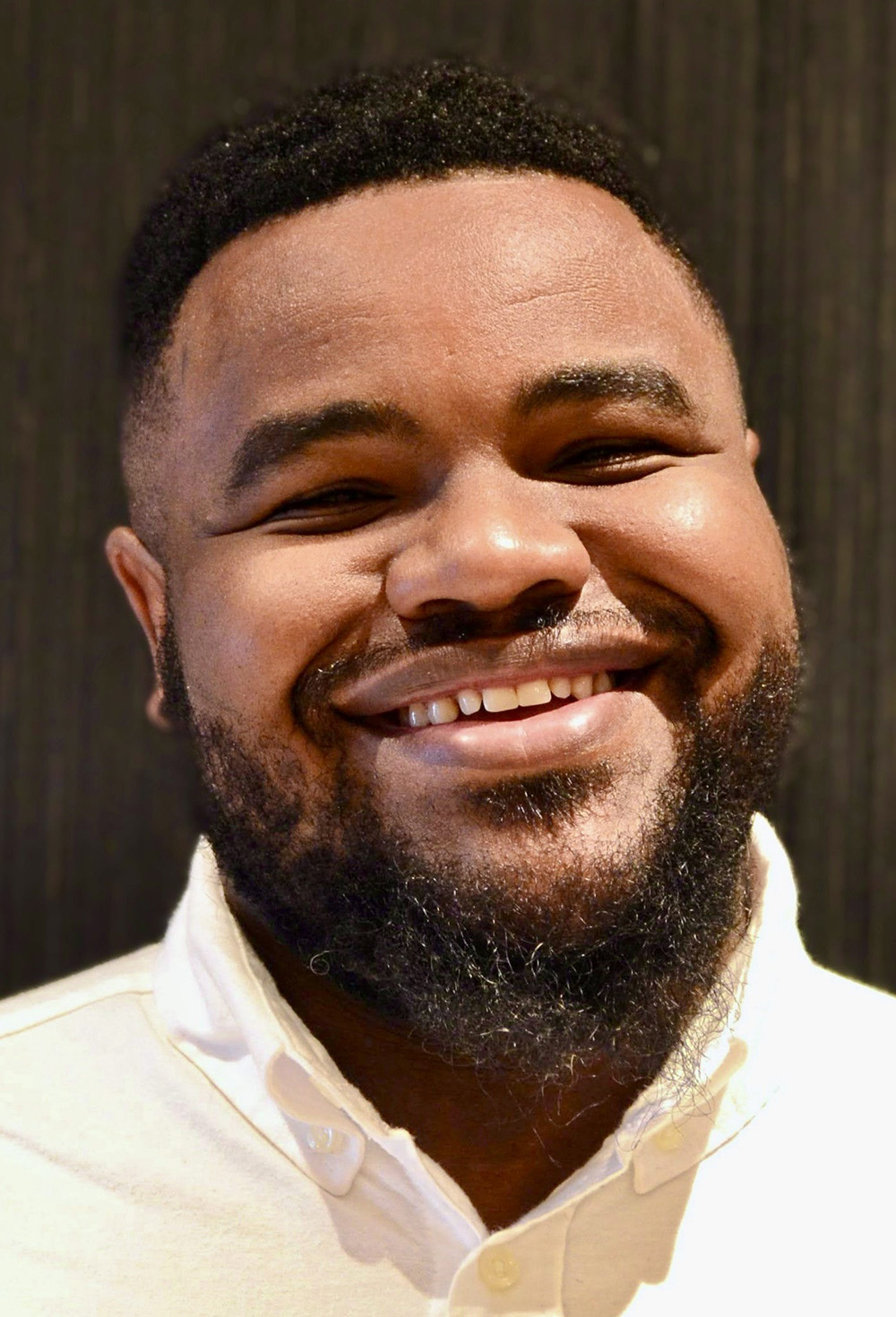
Braxton Wade
I am tired of Donald Trump. Tired of the excuses made for him. Tired of the pastors who defend him and the religious leaders who stand beside him, bow their heads in prayer and then return to their congregations as though nothing about this moment demands a word of prophetic truth.
And I am especially tired of watching so many of you, white Christians and white evangelicals, attempt to marry the MAGA movement to the gospel of Jesus Christ. They are not the same thing. They never have been the same thing. And no amount of Scripture quoted at a political rally will make them the same thing.
I wish I did not have to write this. I wish I could spend my time telling stories about the beautiful things God is doing through ordinary people in ordinary congregations. About churches feeding hungry families, welcoming strangers and creating communities of belonging. But I cannot keep pretending that what we are witnessing is normal. And I cannot keep watching the church lose its way without saying something.
“I cannot keep pretending that what we are witnessing is normal.”
So, to my siblings in Christ, I am writing not with anger alone, but with grief. Not because I have given up on the church, but because I have not.
Please. I am begging you. Remember Jesus. Remember the Jesus who stood with the poor, welcomed the stranger and touched those society had declared untouchable. Remember the Jesus who blessed the peacemakers, challenged the powerful and taught us that whatever we do to the least of these, we do to him. Remember the Jesus whose first sermon in Nazareth announced good news to the poor, freedom for the captive and liberation for the oppressed. These are not incidental details of our faith. They are at the very heart of it.
And yet, I fear we have become so consumed with defending our political allegiances that we have forgotten our spiritual obligations.
I know some of you voted for Donald Trump. Some of you continue to support him. Some of you believe his presidency represents the best possible future for this country. I am not writing to question the sincerity of your faith or to suggest we must agree politically to belong to the same family of God. But I am asking you to consider what our faith requires of us when the people we support exercise power in ways that cause others to suffer.
Consider the immigrant family afraid of being separated. Last winter, ICE detention passed 70,000 people for the first time on record. In the first six months of this fiscal year alone, the agency carried out more than 234,000 removals, up from roughly 134,500 over the same stretch the year before.
Consider the transgender child wondering whether there is a place for them in this world. Many hospitals have ended or paused care for trans youth under federal pressure, and this September at least six agreed in deals with the Justice Department to stop treating patients under 19.
Consider the neighbor struggling to feed their children. Since the One Big Beautiful Bill Act became law in July 2025, more than 3.5 million Americans have lost SNAP benefits, and its work requirements now reach parents of teenagers and adults as old as 64.
Consider the person whose dignity has become a subject of political debate. These are not abstractions. They are our neighbors. They are people made in the image of God. And their lives are no less sacred because their stories complicate our politics.
“As a Black Baptist minister, I cannot ignore the painful familiarity of this moment.”
As a Black Baptist minister, I cannot ignore the painful familiarity of this moment. I know what happens when white Christians confuse their political power with the purposes of God. I know the history of pulpits that defended slavery, sanctuaries that justified segregation and religious leaders who insisted that maintaining the existing order was somehow an expression of Christian faithfulness.
But I also know another story. I know the story of people who gathered in brush arbors and sanctuaries, who sang songs of liberation, prayed for deliverance and believed the God of Scripture had not abandoned them. I know the story of a church that dared to challenge the moral conscience of a nation.
And I believe that same courage is being asked of us again. Not to become more partisan. Not to become more powerful. But to become more faithful.
I know faithful white Christians and white evangelicals who are resisting this movement, often at considerable personal cost. But I am writing to those of you who have confused the movement with the Messiah. To those of you who have convinced yourselves that defending Donald Trump is somehow synonymous with defending Christianity. It is not. Donald Trump is not the church’s savior. America is not the kingdom of God. And the gospel does not need MAGA to survive.
I need the church to understand what is at stake. There are people who never will walk through the doors of our sanctuaries because the loudest expressions of Christianity they have encountered have taught them they are unwelcome. There are children watching us. Immigrant children. Black children. Queer children. Children who are learning what Christians believe, not from our Sunday school lessons, but from the people and policies we are willing to defend.
“I am writing to those of you who have confused the movement with the Messiah.”
And I wonder what they are learning about Jesus. That his love has conditions? That his mercy has borders? That his compassion depends on who wins an election?
Church, this is breaking my heart. Because I know we can be better than this. I have seen Christians show up when the world has walked away. I have seen congregations become places of healing and belonging. I have seen people find hope in communities that refused to give up on them. That is the church I believe in. The church I have given my life to serve. And the church I want us to become again.
To the pastors afraid of speaking because it might cost them something, I understand that fear. To the Christians exhausted by the division, I share that exhaustion. And to those convinced that speaking about injustice is a distraction from the gospel, I ask you to return to the life and ministry of Jesus.
There you will find a Savior whose love never was indifferent to suffering. A Savior who did not confuse peace with silence. A Savior who flipped over tables of injustice. A Savior who understood that faithfulness sometimes requires confronting the very people and institutions we love.
I do not expect the church to agree on every political question. But surely we can agree that love matters. That truth matters. That human dignity matters. And that no political leader deserves the kind of allegiance that belongs to God alone.
But what exhausts me most is the feeling that we have said all of this before. We have preached the sermons. Written the articles. Marched, prayed, pleaded and protested.
And still, here we are. So, I do not know what else to say. Except this.
Love on the families living in fear. Love on the children wondering whether they belong. Love on the people whose lives have become bargaining chips in someone else’s pursuit of power.
Because the world is watching.
And I am afraid that in our determination to make America Christian, we are showing the world a Christianity that looks less and less like Christ.
I am tired. Not of Jesus. Not of the gospel. Not of the possibility that God is still making all things new. I am tired of having to beg the people who claim to follow him to live as though they believe what he said.
Church, please. I am begging you. Remember Jesus.
Braxton Wade is a Clemons Fellow with BNG. He is a graduate of the University of Richmond and Chicago Theological Seminary and lives in Richmond, Va. He is currently a Ph.D. student at Yale Divinity School.