


As a historian, educator and scholar of the Tuskegee Airmen, I cannot stay silent about the removal of pivotal lessons on American history from U.S. military classrooms. The Trump-era Diversity, Equity and Inclusion policy that led to this decision is not just a political misstep, it is a deliberate act of historical erasure.
This policy jeopardizes the legacies of heroes like the Tuskegee Airmen, Women Airforce Service Pilots (WASPs), and countless others who fought for inclusion and equality in the face of prejudice. The story of these American icons is central to understanding our nation’s journey toward progress.
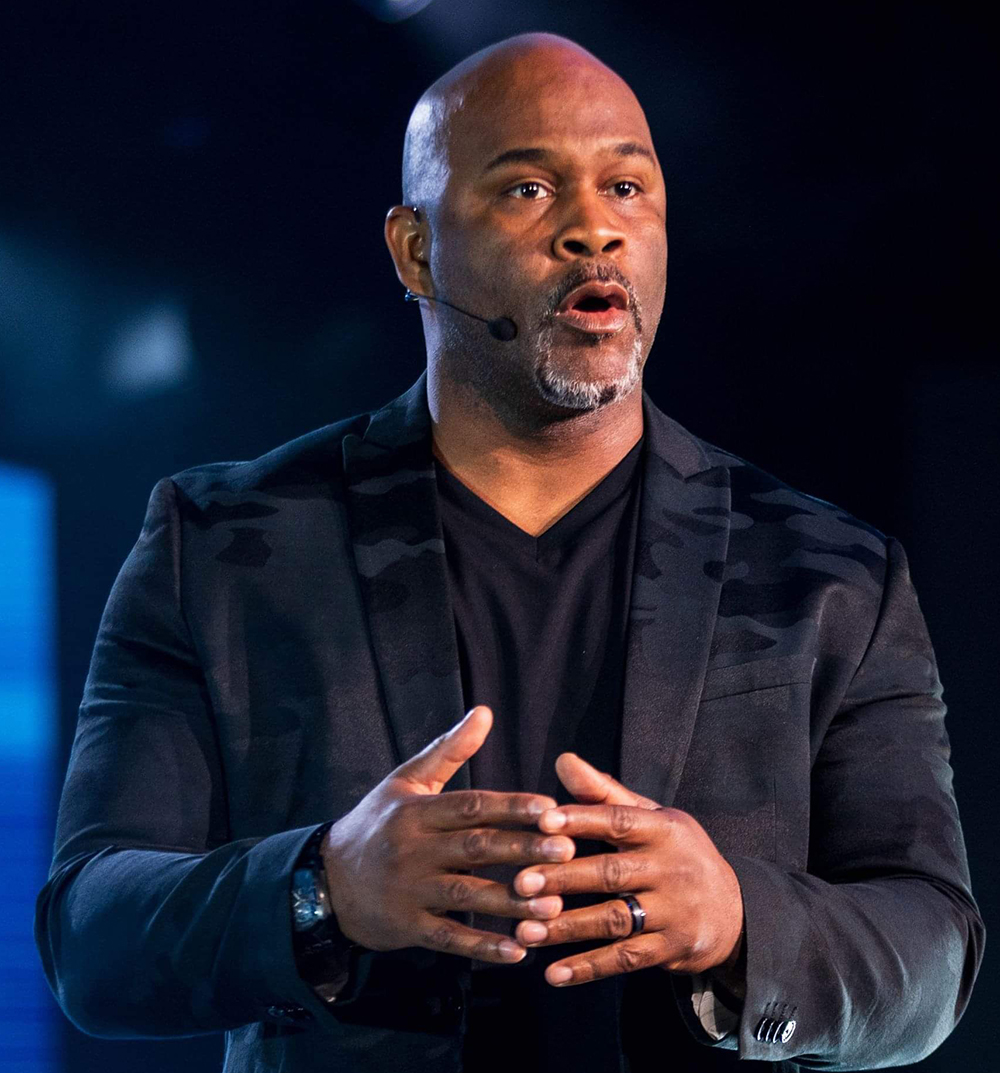
Edmond W. Davis
I recently watched Tyler Perry’s Six Triple Eight, a powerful film honoring the 6888th Central Postal Directory Battalion — an all-Black, all-female World War II unit. These women cleared a massive backlog of mail, restoring troop morale and reconnecting soldiers with their loved ones. This story is more than history; it’s a testament to perseverance, teamwork and the strength of the human spirit.
Under current policies, however, narratives like these are being erased from military education frameworks. Imagine removing the Little Rock Nine statues from the Arkansas State Capitol or erasing their legacy from Central High School’s curriculum. That’s how dire this situation feels.
This isn’t just about revising a curriculum — it’s about erasing progress. When we omit these stories, we undermine the foundation of American resilience, justice, and inclusivity.
Before they soared through the skies as aviation legends, the Tuskegee Airmen faced systemic racism, segregated training grounds and relentless skepticism. They were America’s first civil rights pioneers of the 20th century before the Civil Rights era began (1954-55 to 1970). From Moton Field in Alabama, they rose to become one of the most respected squadrons in World War II. Their record of more than 15,000 sorties and unmatched success in bomber escort missions shattered racial stereotypes and paved the way for President Truman’s Executive Order 9981, which desegregated the U.S. Armed Forces in 1948.
The WASPs, too, defied societal norms and took on critical roles during World War II. They ferried aircraft, towed live artillery targets and test-piloted planes, allowing male pilots to focus on combat missions. Despite their service, these women were denied veteran status until 1977.
Their struggle against gender inequities mirrors the broader fight for equality — a fight that continues to this day.
“Removing these narratives from military education dishonors the sacrifices of these trailblazers.”
Removing these narratives from military education dishonors the sacrifices of these trailblazers.
It sends a chilling message to future generations that the contributions of marginalized groups are expendable. These stories are not just “diversity highlights,” they are integral to the American experience and serve as powerful lessons of courage and resilience.
I am calling on community leaders, educators, military officials and all citizens to stand up against this policy and others to come. This is not about checking a diversity box. It’s about preserving the truth of who we are as a nation. Without these stories, how can we inspire the next generation of leaders, soldiers and change-makers?
Cultural contributions like Perry’s Six Triple Eight remind us why these stories matter. They’re not just history lessons; they’re reflections of the principles these men and women upheld — service, excellence and equality. By removing these narratives, we’re not just erasing history, we’re erasing progress and silencing the voices of those who made our country stronger and more just.
The legacies of the Tuskegee Airmen and WASPs transcend their wartime achievements. They catalyzed societal change, inspired the Civil Rights Movement and paved the way for future generations to challenge systemic barriers. To erase their contributions is to dishonor the values they fought to protect.
These stories inspire service members of all backgrounds to rise above challenges. They teach us about the power of perseverance, the importance of inclusion and the value of diversity. They deserve to remain at the heart of our national narrative — not as token gestures for DEI efforts, but as integral chapters of the American story.
As I reflect on this troubling trend, I urge every American to join the fight to preserve these narratives. History has a way of vindicating the truth, but it’s up to us to ensure we’re on the right side of it. Let’s honor the sacrifices of the Tuskegee Airmen, WASPs and other marginalized heroes by keeping their stories alive. Their legacies are not just history — they are beacons lighting the path toward justice and equity.
Are all the DEI shenanigans a code for a “whites only” America again or “Make America Great Again”? Perhaps it’s just a nonphysical white rage-style government-issued Karen thing for anyone, not a Caucasian white male? I am against white supremacy, not white people, so make this DEI make sense to me. I am against Black-on-Black crime, not Black people. The answer to any problem is not erasing it from our truth. The question now is, what is the American truth?
I refuse to let these stories fade into obscurity. Will you stand with me to ensure they endure?
Edmond W. Davis is a social historian, journalist, international speaker, Tuskegee Airmen Scholar and director of the National HBCU Black Wall Street Career Fest. He lives in Little Rock, Ark.