


America has spent years confronting the devastating consequences of fentanyl. Families have buried children, communities have struggled with addiction, and emergency responders have witnessed the human cost of an increasingly unpredictable illicit drug supply.
Yet another dangerous chapter of this crisis is unfolding, and Miami offers a troubling illustration of how international trafficking, domestic pharmaceutical diversion and failures in public health oversight can intersect. The substance is commonly called “tranq dope,” a combination of fentanyl and xylazine — a powerful veterinary tranquilizer never approved for human use.
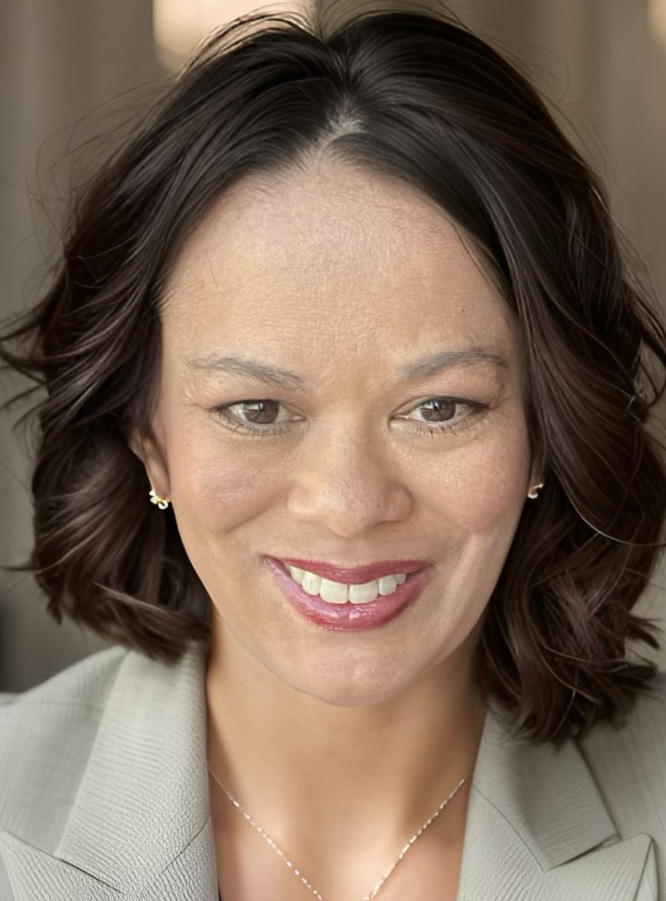
Nicole Wiesen
Unlike fentanyl, xylazine is not an opioid. It produces profound sedation, dangerously low blood pressure and potentially devastating skin wounds. When combined with fentanyl, the result is an especially dangerous mixture that can leave individuals unconscious for extended periods, vulnerable to overdose, infection, exploitation and death.
This is not a distant threat approaching American shores. It is already here.
Miami: Where international trafficking meets domestic vulnerability
Miami has long occupied a strategic position in international commerce. Unfortunately, its geographic connections also make South Florida relevant to investigations involving transnational drug trafficking.
Federal authorities have documented cartel-linked fentanyl distribution networks operating in the United States, including investigations involving South Florida. In 2026, federal prosecutors in Miami announced charges against an alleged Sinaloa Cartel leader accused of overseeing large-scale fentanyl and cocaine trafficking. But the story becomes more disturbing when we examine the tranquilizer itself.
In January 2026, the Department of Justice announced that All Veterinary Supply, a company based in Doral, Fla., had pleaded guilty to illegally distributing xylazine outside the scope of its state permit. Federal prosecutors reported the company sold about 181,000 bottles to two primary wholesale customers in Puerto Rico, including xylazine that ultimately entered Philadelphia’s illicit drug supply.
Consider the implications: A substance intended for legitimate veterinary medicine was diverted through a domestic commercial supply chain and reached communities already devastated by opioid addiction.
A substance intended for legitimate veterinary medicine was diverted through a domestic commercial supply chain and reached communities already devastated by opioid addiction.
We cannot address this crisis by looking exclusively toward the southern border. We must also examine what happens within our own borders, including failures of distribution oversight, regulatory enforcement and corporate accountability.
The human body becomes the battleground
What makes tranq dope particularly alarming is the physical devastation associated with xylazine exposure. Health care professionals have documented severe skin ulcerations, tissue necrosis and infections among people exposed to xylazine-adulterated drugs. Some wounds become so extensive that patients require hospitalization, surgical intervention or amputation.
These are not merely medical complications. They are profound public health and human dignity concerns.
Imagine someone experiencing substance use disorder who develops open wounds while simultaneously confronting homelessness, untreated trauma, limited health care access and fear of criminalization. Where does that individual turn?
Too often, the answer is nowhere until the medical emergency becomes impossible to ignore.
Even naloxone, the lifesaving medication widely distributed to reverse opioid overdoses, cannot reverse xylazine’s non-opioid sedative effects. Naloxone remains essential because fentanyl is frequently present, but emergency responders may also need to provide prolonged respiratory and supportive care.
Our overdose response systems must evolve as rapidly as the substances appearing in our communities.
Cartels are part of the story, not the entire story
The Drug Enforcement Administration has identified international sources of illicit xylazine, including powdered material entering from overseas and liquid products diverted from veterinary supply chains. Federal investigators also have documented the role of Mexican cartels in fentanyl trafficking.
However, evidence does not establish that every fentanyl-xylazine mixture found in Miami originates with a cartel or that all xylazine is purchased domestically. The supply chain is more complicated.
When policymakers reduce a multifaceted public health emergency to a single border-security narrative, they risk overlooking domestic vulnerabilities that allow dangerous substances to enter illicit markets. Effective enforcement must target transnational criminal organizations while also scrutinizing domestic distributors, suspicious transactions, illegal diversion and financial networks.
When policymakers reduce a multifaceted public health emergency to a single border-security narrative, they risk overlooking domestic vulnerabilities that allow dangerous substances to enter illicit markets.
Protecting legitimate veterinary access and preventing criminal misuse are not mutually exclusive responsibilities.
An epidemic that punishes the most vulnerable
As a public health and social work professional whose work intersects with correctional health, trauma and community reintegration, I am particularly concerned about people returning from incarceration. Individuals leaving correctional institutions may encounter a drug supply dramatically different from the one they knew before imprisonment. Reduced opioid tolerance, unstable housing, disrupted health care and limited treatment access can create extraordinary overdose vulnerability.
Now add xylazine and other emerging sedatives to that equation. The consequences can be catastrophic.
Our correctional institutions, reentry programs, hospitals and community organizations cannot operate independently while expecting meaningful improvements in overdose prevention. We need coordinated discharge planning, access to medications for opioid use disorder, naloxone distribution, wound-care services, drug-checking resources and meaningful continuity of behavioral healthcare.
We also must confront the stigma that continues to shape our response to addiction.
People experiencing substance use disorder are not disposable. They are parents, children, veterans, neighbors and members of communities deserving evidence-based care.
Miami must become a warning and a call to action
Miami should not wait for another wave of preventable deaths before strengthening its response.
Public health agencies should expand timely toxicology surveillance and publicly communicate changes in the local drug supply. Hospitals and emergency departments need protocols for recognizing xylazine-related complications.
Law enforcement must investigate both international trafficking networks and domestic diversion. Federal and state regulators must strengthen accountability across pharmaceutical and veterinary supply chains without unnecessarily restricting legitimate medical and agricultural uses. Most importantly, policymakers must invest in prevention, treatment, recovery and the community infrastructure that keeps people alive.
The next phase of America’s overdose crisis will not be solved through arrests alone. Nor will public awareness campaigns succeed without accessible treatment and sustained public health investment. Tranq dope demonstrates what happens when an already lethal illicit drug supply becomes even more unpredictable.
Miami is not simply facing a drug trafficking problem. It is confronting the intersection of public health, organized crime, commercial accountability and human vulnerability.
The question is no longer whether America has been warned. The question is whether we will act before more families are forced to bury someone they love. The next chapter of this epidemic is already being written. Our response must be faster, smarter and more humane.
Nicole L. Wiesen is a nationally recognized expert in Post-Incarceration Syndrome, public health social worker, consultant, lecturer and author. She is the founder of Returning Her Home, a trauma-informed reentry housing and support initiative dedicated to helping women heal, stabilize and successfully reintegrate following incarceration.