


Growing up in Youngstown, Ohio, I lived with a sense of youth and an aloofness to social issues. It’s not that I didn’t care about the struggle for fairness, equality and love or even about social justice; none of that was a part of my radar.
My parents were busy feeding people, ministering, registering people to vote and very active in religious and civil participation in the Black communities. They were attending funerals, weddings and conducting these events, too.
I was hanging out with peers, listening to music, going to the mall and church.
I watched my Aunt Florence Blackshear supervise the voting polls during every voting cycle at East High School.
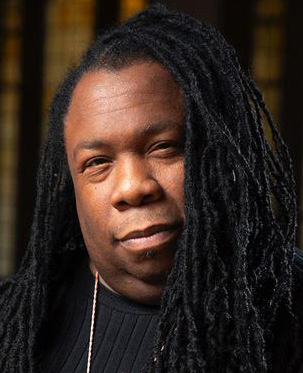
TJ Williams Hauger
I remember my mother’s best friend, Lelia Pickett Johnson, who was born in 1918 in Alabama during the influenza epidemic. Imagine what life had to be like for her parents by raising and protecting her while navigating the systematic racism of that era. She and my mother, Idella Cora Thomas, Aunt Florence and Aunt Lelia’s daughter, Phyllis Liggons, worked together for justice.
I remember the buttermilk pies, the chicken and greens. But as a youth I missed the spirit of resistance. How could I have missed the purpose of the events happening around the dining room table? Each woman’s family members had stories of navigating systematic structures of racism even as some of them, like my mother, migrated with family from Georgia after two of her uncles were killed.
But that racism of the South followed them to Ohio, through the Great Migration. They brought their hopes, dreams and gifts and the excitement of having a better life far away from the tightening noose of the old Jim Crow or Black Code Laws. However, they still faced systematic racism. So they began to build a social structure in Youngstown and in the great state of Ohio that promoted political and social transformation for the community and for Black Americans.
“I remember the buttermilk pies, the chicken and greens. But as a youth I missed the spirit of resistance.”
Their faith was about justice, advocacy and resistance.
Today, voter suppression is alive and well in Ohio, as politicians with white supremacist agendas create barriers and increase disenfranchisement for Black American voters. Ohio House Bill 294 threatens to limit access to voting booths, impose voter IDs and cancel early voting. Similar laws have been proposed in 49 states.
As an adult today, I know voting rights always should speak to our collective and moral values. Taking away our voting rights says those who are running our government have a lack of values and moral compass.
On May 15, 1957, Martin Luther King gave a speech where he indicted both the Democratic Party and the Republican Party and said, “The right to vote is a moral duty.” Our country’s values are tied together with voting rights as well as the fight to resist or replace those politicians who want to take away our rights.
In my family, the U.S. Supreme Court gutting the Voting Rights Act triggers memories of a time when African Americans were faced with violence, harassment, intimidation and death. Many would risk their lives so all would have the right to vote.
Robert P. Jones, who grew up Southern Baptist, says it well: “White Christian churches have not just been complicit in failing to address racism: rather, as the dominant cultural power in the U.S. they have been responsible for constructing and sustaining a project to protect white supremacy.”
Florida Gov. Ron DeSantis signed a bill to redistrict North Florida that affects Black voters. His agenda is to eliminate Democrat representatives. This same governor has created an election police aimed to target Black and brown people with federal offenses that keeps them from voting. Criminalization is an old trick that has worked for decades.
“Now I understand what was going on that day at Aunt Lelia’s dining room table.”
Back home in Youngstown, activist Hattie Wilkins connects the dots between fracking and voter suppression. She filed a lawsuit against local election boards in Toledo, Columbus and Youngstown alleging the state of Ohio systematically violated their First Amendment rights regarding freedom of speech, right to a petition and peaceful assembly to put laws on the ballot for clean water.
Now I understand what was going on that day at Aunt Lelia’s dining room table. Five women got together to prepare a working lunch/dinner to feed a multitude of guests who were members of the NAACP of the Mahoney Valley. They were mailing pamphlets for voting rights. During a time when there was no technology such as social media or cell phones, they spread the word and did their part to change the landscape for justice and equality.
We must do the same today. When we cast a vote, register others to vote and take others to vote, when we give money to candidates and organizations, we take a stand in the fight for equality and social justice. We follow the tradition of our ancestors and invoke their spirit to preserve that right for our future generations.
That dining room table of my youth bore the flavors developed by ancestors calling out from behind the veil. They also call out to white Christians of good will not to be silent and complacent, not to vote for candidates who do not represent equality for every voter.
The dishes at Aunt Lelia’s dining room table were dishes of justice and lived prophetic action. Be a prophetic doer.
TJ Williams Hauger is a Baptist pastor in Chicago, an activist and content creator. He earned a master of divinity degree from New York Theological Seminary and is a doctoral student.