


Last Sunday, July 5, the small Hispanic church I attend was still decked out for the Fourth of July. When I say “decked out,” I mean red, white and blue everywhere, even the flowers. The American flag was on the podium and on the walls. The children recited the Pledge of Allegiance to the American flag.
As a Baptist who believes deeply in the separation of church and state it was a daunting morning. A part of me wished it were different, given that Christian nationalism is real and prevalent and dangerous.
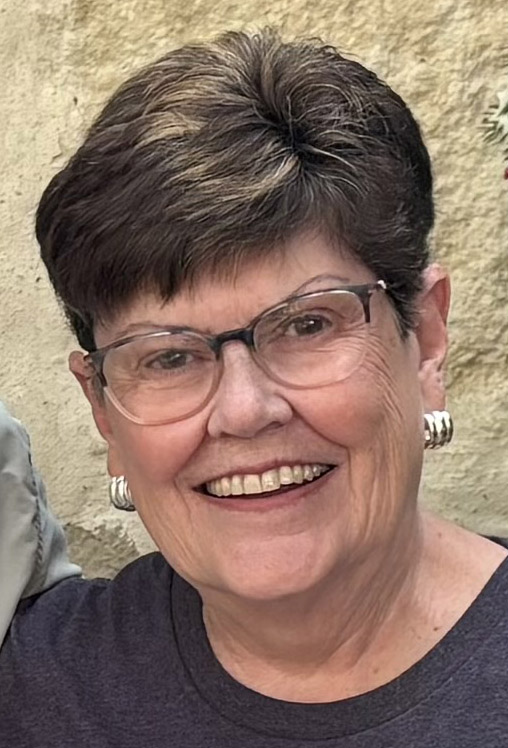
Linda Wilkerson
But what I know from living life with these good folk and hearing their stories was that what was on display was not Christian nationalism but real patriotism — love and gratitude for the country that welcomed the families of my brothers and sisters when they were seeking a better life. For many, the welcome came as much as two or three generations ago when it was much easier to come into the U.S. Some families celebrated the Fourth with their parents who came to the U.S. just one generation ago, finding the liberty and happiness they were seeking, if not justice. And a few managed to enter under the cover of darkness, coyotes taking their precious savings and leading them on a perilous journey, escaping horrors most of us only see in movies.
These are families who on Memorial Day and Veterans Day bring pictures of their loved ones who served our country and often gave their lives for it, even while it discriminated against them with racist practices and language.
Sitting in the sanctuary after singing “America the Beautiful,” I felt a deep sadness that we have allowed the life-giving flow of immigrants into our country to come to almost a full stop. The Trump administration has capped refugee admissions at only 7,500 for 2026 compared with a cap of 125,000 in 2024.
“We are interested, it seems, in protecting Americans but not those from countries who still most need our refuge and protection.”
Just two weeks ago, the Supreme Court gave President Donald Trump the right, which he has been seeking, to suspend Temporary Protected Status for those in our country from Haiti and Syria, despite the fact that the U.S. State Department has issued a Do Not Visit advisory for these countries because of widespread gang violence, kidnappings and civil unrest. We are interested, it seems, in protecting Americans but not those from countries who still most need our refuge and protection.
The welcome so many others have received has been denied those who most need it now.
We can lay much of the blame for these situations at the doorstep of the current administration, but not all by far. As a nation, we are all to blame because so many of us give up our hard-won birthright on voting days. We can’t be bothered to show up and vote for those who still want the U.S. to be a place of welcome and refuge. And we choose to live in enclaves of people just like ourselves, thus denying ourselves the richness of God’s people who have made their homes on our shore.
It is easy to see those different from ourselves as less worthy or dangerous when we never try to know them. And we have succumbed to the myth that there is not enough for everyone — when clearly this country remains rich in almost every way except compassion.
So as disorienting as it was for me to see Independence Day writ large in my church, it was a stark reminder that with all its faults, and in my book they are plenty, the U.S. still has the opportunity to return to the values we and the rest of the world once held dear: That we can again be a nation that welcomes the huddled masses yearning to breathe the air of freedom.
This possible future is in our hands; let us love our country enough to work to make it so.
Linda Wilkerson is a retired hospital chaplain and Clinical Pastoral Education supervisor who lives in Dallas.