


Seven years ago, I sat in Noel Schoonmaker’s office at Second Baptist Church in Richmond and told him I was struggling to worship with white people. This is not hyperbole. I was struggling.
There already had been moments at Second Baptist that reminded me that whatever welcome might have been printed on the church’s website, race still entered the sanctuary with me.
Once, someone asked if I was there for the food pantry. I was not. I was there for Sunday morning worship.
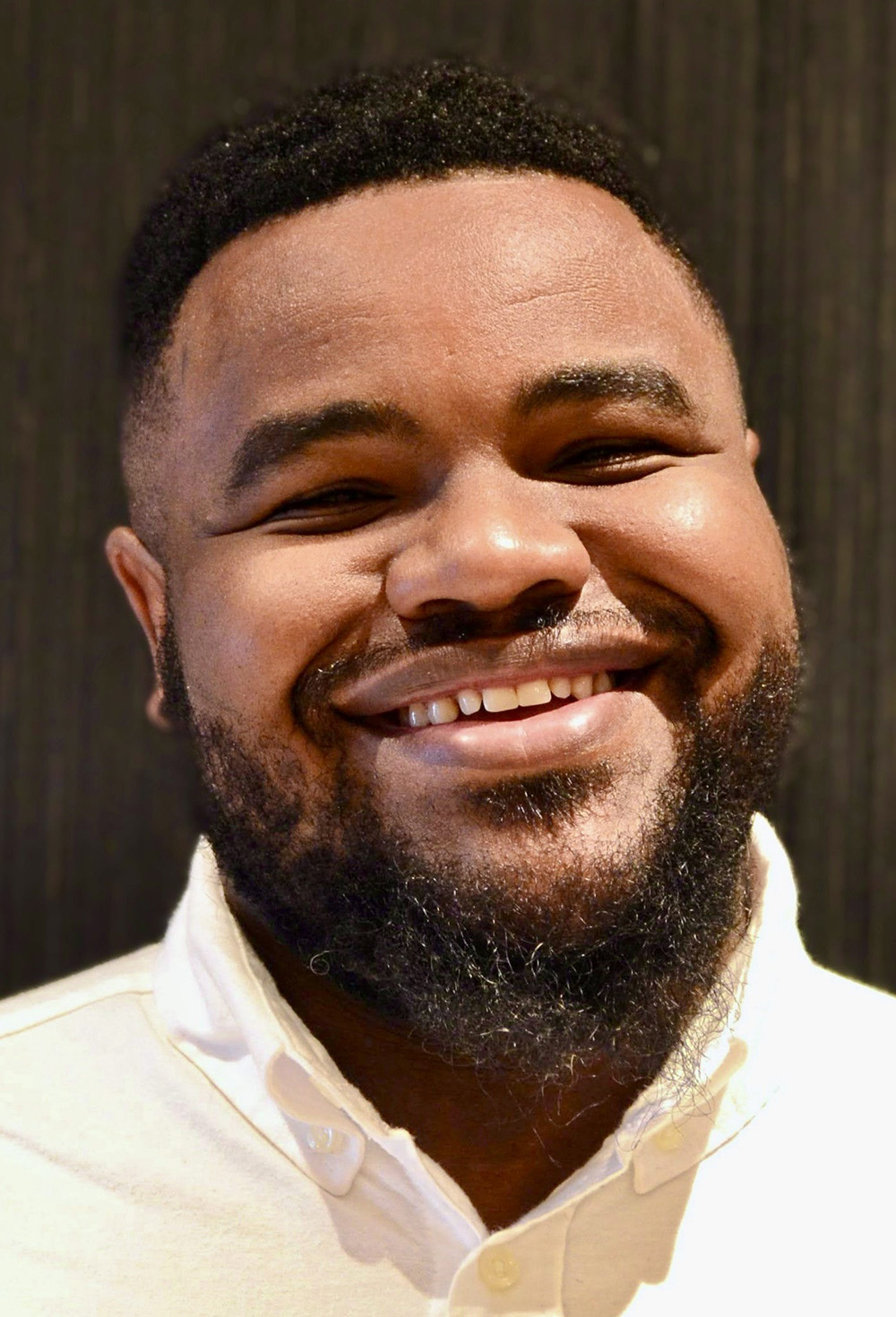
Braxton Wade
There is nothing shameful about coming to a food pantry. Feeding hungry people is holy work. Jesus spent a good portion of his ministry making sure people had something to eat. But I remember wondering what they saw when they saw me.
I wondered whether I could ever fully exhale in a predominantly white church. Whether this congregation could become a place where I did not have to leave some part of myself in the parking lot before walking through the doors.
So I went to see the pastor and Noel listened. He did not tell me I was imagining things. He did not rush to defend his congregation or explain how nice everybody was. He listened. And he kept preaching. For seven years.
If you have heard Noel preach, you know somewhere between exegesis and benediction, he might go on what I call a gospel run. The cadence changes. The sermon starts moving. Good news for the poor. Freedom for the captive. Sight for the blind. Liberation for the oppressed.
Noel is a white Baptist preacher who has allowed his preaching to be deeply influenced by the Black preaching tradition. I do not mean he mimics Black preachers. I mean something much more important. He has allowed a tradition born among people who had to find freedom in a Bible handed to them by people who enslaved them to interrogate how he reads Scripture. He has allowed a tradition that learned to preach resurrection with lynching trees still standing to shape how he understands hope.
In the words of theologian Howard Thurman, “The slave caught the mood of this spiritual dilemma, and with it did an amazing thing. He straightened the question mark in Jeremiah’s sentence into an exclamation point: ‘There is a balm in Gilead!’ Here is a note of creative triumph.”
Noel spends week after week pulling on that question mark until he can proclaim it as an exclamation point during the sermonic moment.
And Sunday after Sunday, Noel kept preaching. Seven years of preaching the gospel. Seven years of preaching truth. Seven years of preaching hope. Seven years of preaching justice. Seven years of gospel runs. But here is what I missed while it was happening: The gospel runs did not stay in the pulpit. They got into the people. And eventually, they got into the culture.
“What happens when preaching transforms not simply the preaching moment but the culture of a congregation?”
We talk a lot about the preaching moment. Seminaries teach us to exegete texts. Preachers labor over manuscripts. Churches discuss whether the sermon was “good.” We remember the line that made us say, “Amen.” But maybe the most important question is not what happened while the preacher was preaching. Maybe the question is: What kind of church exists when the sermon is over?
What happens when proclamation becomes formation? What happens when preaching transforms not simply the preaching moment but the culture of a congregation?
My friend Ben Brown, who serves alongside Noel at Second Baptist, once told me, “The church is forever changing and redefining itself.” He described that transformation through “slow movements” and “small movements.”
I think those small movements are where much of the Spirit’s work happens. A sermon moves somebody an inch. A sermon gives someone language for something they felt but couldn’t find words for. A Bible study complicates an assumption. A conversation makes room for a story you never heard. Someone you thought you understood becomes someone you know.
A Black man tells the pastor, “I am struggling to worship here.” The pastor listens. Another sermon. Another conversation. Another uncomfortable moment. Another gospel run.
Ben said he had to become “comfortable with the idea of being uncomfortable.” Maybe that is what transformation looks like.
And transparently, neither was I. Seven years after sitting in Noel’s office, I stood behind the sacred desk at Second Baptist. The man someone assumed was coming for the food pantry was given a chance to proclaim the Bread of Life.
I did not stand there pretending not to be Black. I wore African kente cloth. I preached from the Black preaching tradition that formed me. I brought my cadence. My vulnerability. My wounds. My story. I preached as myself.
“I did not stand there pretending not to be Black.”
The text was John 20. Thomas, the disciple Christianity has spent generations calling a doubter because he asked to see the wounds. But Thomas understood something the church sometimes forgets: Resurrection does not erase Friday. The resurrected Jesus still has scars and the “doubting Thomas” still carries guilt of abandoning Jesus.
So I stood before a predominantly white Baptist congregation and preached a sermon called “These Wounds Still Speak.” I preached about the wounds we carry, the wounds we inherit and the wounds we would rather cover because acknowledging them might require something of us. I preached vulnerably. I preached as a Black man. And they heard me and they said, “Amen” and “Preach, Braxton.”
And afterward, something happened that seven-years-ago me could not have imagined. They started asking, “When are you preaching again?
Noel begins nearly every sermon with the same prayer, “Help them to hear your word, help me to speak your word, and Lord, help all of us to do your word.” I have heard him pray those words more times than I can count. But looking back over seven years, I hear them differently now.
Maybe that is the story of Second Baptist. Noel has faithfully tried to speak the word. This congregation has faithfully tried to hear the word. And together, all of us — myself included — have been learning what it means to do the word.
Maybe that’s what happens when preaching becomes more than a moment. The word gets loose among the people. It moves from the sacred desk to the pews, from the pews into our relationships, and from our relationships into the culture of a church. And somewhere in all of that, God does what only God can do.
Braxton Wade is a Clemons Fellow with BNG. He is a graduate of the University of Richmond and Chicago Theological Seminary and lives in Richmond, Va. He is currently a Ph.D. student at Yale Divinity School.