

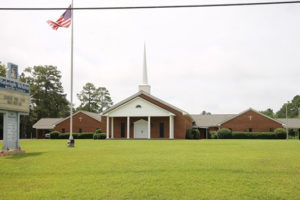
A quarter century after apologizing to African-Americans for white ancestors who supported slavery and Jim Crow segregation, the Southern Baptist Convention has kicked out a church for being too racist. The SBC Executive Committee reported June 12 to convention messengers…
Decades of life with the ‘Lost Boys’ from South Sudan: Charlotte church loves their neighbors as themselves
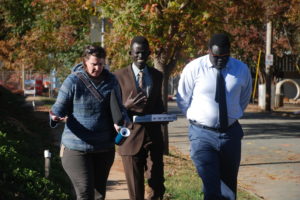
Martha Kearse knew the young men were out of their element as soon as she saw them milling in bewilderment at the grocery store’s vast array of options. Very tall, very thin and very confused, they stood out like flies in a glass of milk. Kearse suspected they were some of the Lost Boys of South Sudan that she’d seen featured on the TV news magazine 60 Minutes.
Southern Baptist association boots church for alleged racism
A Southern Baptist church in southwest Georgia has been expelled from its local association for what local media reports portray as unrepentant racism.
Photo Gallery: Lost Boys in photos
All photos taken in this photo gallery of the Lost Boys are by Norman Jameson. [Best_Wordpress_Gallery id=”16″ gal_title=”Lost Boys of Sudan: St. John’s Baptist Charlotte”] In this ‘Welcoming the Stranger’ series, we learn what happens when one…
A white Jesus can’t save a brown child
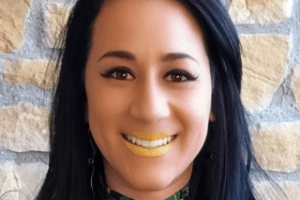
I was raised in a brown evangelical church in a small, predominantly white town in central Texas. Our “mother” church was one of the many First Baptist Churches in the Texas Bible Belt. Our congregation was composed mainly of poor, uneducated, largely undocumented migrants from rural Mexico. And while we were a brown church, the Jesus we worshiped was white.
Paid Promoted Content
Stand for hope, peace and freedom from racism at April rally
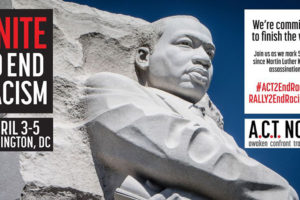
April 3-5 is just the start of a multi-year emphasis by the National Council of Churches and its partners, including the Alliance of Baptists, to address systemic racism. It is a beginning. A rallying point. A clarion call to change.
What we can learn from Chance the Rapper
When and where am I speaking boldly and prophetically about faith and justice, pushing the world around me to fully examine its complicity in maintaining systems of power and privilege that do repeated harm to bodies and psyches unable to protect themselves?
It’s a small world after all … and we need to survive together
The truth of the matter is that we human beings are stuck in this small world that we have to share in order to survive. How can we do it successfully?
A gospel torn in two by a white Jesus
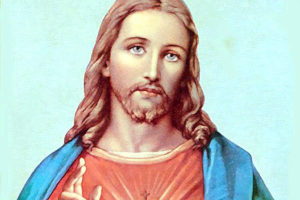
Among the unavoidable claims of the gospel is that those following in the way of Jesus will be wounded. The Way leads to abundance, but it is not painless. A false gospel — or a half-gospel — wounds, but not in a way that brings about healing. White Jesus wounds the body and soul of everyone he encounters, but lacks either the power or the gentle touch to bind up our wounds.
It’s time for U.S. Christians to discern our kairos
We don’t need more court preachers who have sold their souls for a mess of political porridge. We need prophets who will stand above partisan wrangling in order to speak truth to power.
Courageous conversations are no longer optional. It’s time to cross boundaries.
We’re going to have to do more, to move past talking (even preaching!) and into the messy and painful work of deep conversation held together by real relationship. In fact, it’s increasingly my conviction that this may be the heart of the faith community’s work in this moment: building authentic relationships upon which these difficult conversations can rest.
For whites observing Black History Month, remember what seat you’re sitting in
White navel-gazing is not the proper orientation toward Black History Month. We’ve got to do the needed self-examination, but we are not the center of the narrative. Using the work of blacks to put ourselves back at the center of the story is not the right strategy. But while reading all that black history, it does help to know what seat we are sitting in.