


Drive into Williamsburg, Va., from the west and you will see it before you see the church. A rainbow-striped banner. Designed by a pastor who cannot fully explain why he made it, only that it needed to say something true before anyone walked through the doors: “You are accepted.”
These words, stretched across vinyl, hang across from The College of William and Mary, across from three centuries of a town that has learned how to preserve its history and, sometimes, its silences.
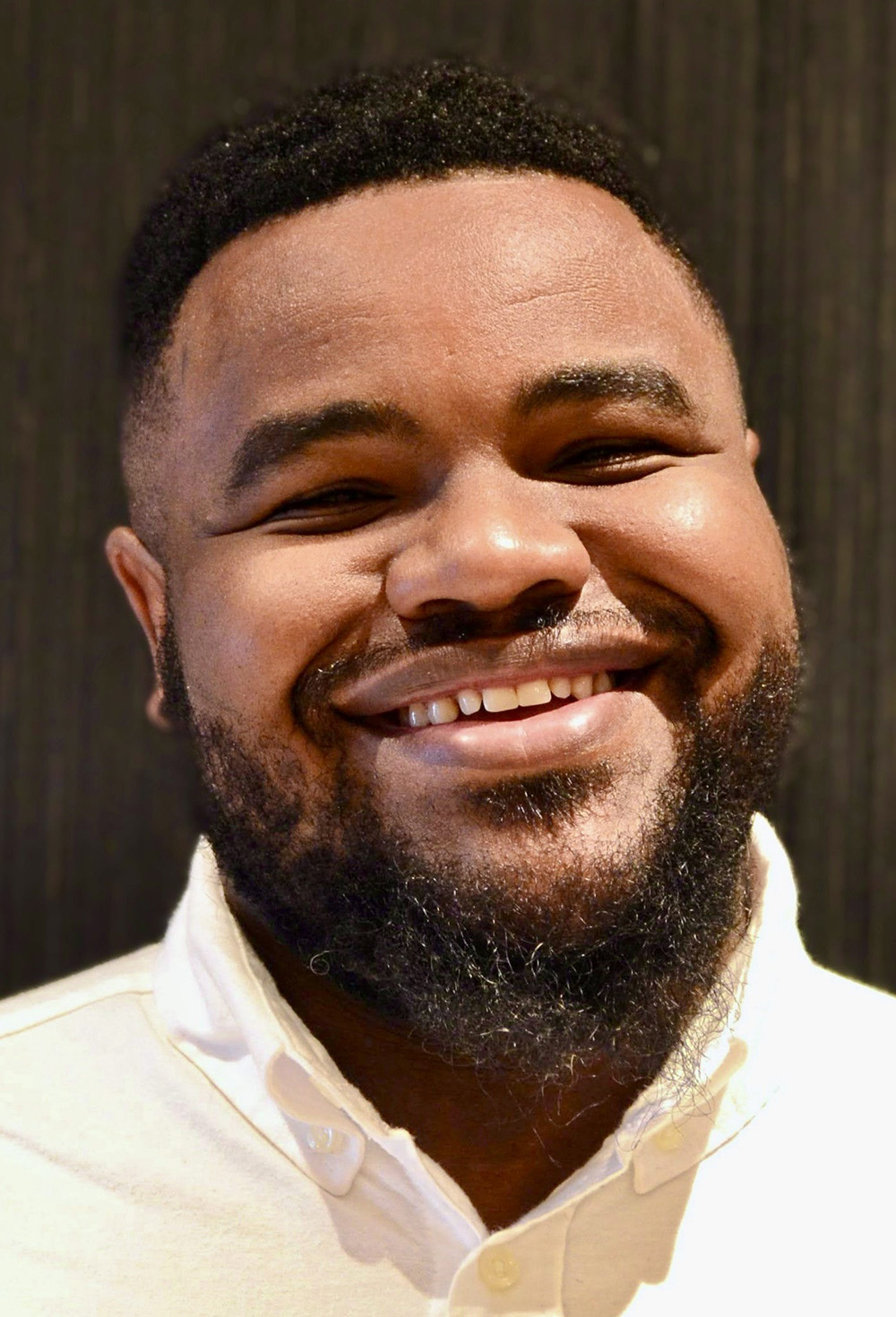
Braxton Wade
Art Wright has served as pastor of Williamsburg Baptist Church for almost seven years. Three years ago, someone phoned in a bomb threat. He tells me this not as a war story but as a turning point — the moment he realized that making the gospel visible and accessible to all always would cost more than talking about it.
“It’s scary to stick your neck out,” Wright told me. Those words have stayed with me.
Because somewhere along the way, much of American Christianity has confused faithfulness with safety. We protect our reputations, we protect our budgets, we protect our institutions and we protect our comfort. But Jesus never promised safety, He did promise we would have to pick up our own crosses.
Long before the church learned to write welcome statements, Jesus already was making welcome visible. He crossed boundaries respectable religion refused to cross. He touched lepers, he defended women, he ate with tax collectors, and he restored those everyone else had written off. Every act of liberation required someone to risk something.
Perhaps that is why liberation still makes the church uncomfortable. It always asks more of us than we hoped to give.
This fall, Wright and his co-author, Cody Sanders, release Beyond Affirming: Ministry in LGBTQIA Inclusive Churches, a book for churches that have decided to become welcoming and affirming. It is not another book arguing over the so-called clobber passages. Wright intentionally wanted to move beyond that conversation.
“The Bible isn’t just not bad news for queer folks,” he told me. “The Bible is actually good news for all folks.”
“Too often, progressive Baptist churches treat inclusion as a destination.”
That shift changes everything. Because the gospel never has simply been about removing condemnation. It always has been about announcing liberation. Too often, progressive Baptist churches treat inclusion as a destination. Wright insists it is only the beginning.
When Williamsburg Baptist interviewed him for their senior pastor vacancy years ago, someone asked whether he would marry two men.
“I just said yes,” he laughed. “Literally my shortest answer in the interview.”

Cody Sanders and Art Wright
He thought that settled it but now adds: “I’ve come to learn that’s not the finish line. It’s the starting line for a journey.”
There it is. That may be the most important sentence of our conversation. For Wright and the church, welcome is not a policy. Welcome is a practice. Practices have to be learned, practices have to be repeated, and practices have to shape us until they become instinct.
A church does not become affirming because of one vote any more than a disciple becomes faithful because of one sermon. The work for the church is a journey. How do we speak about God? Whose stories are told from the pulpit? Whose marriages are celebrated? Whose grief is acknowledged? Whose children know they belong? Whose names are spoken with joy? Wright and Sanders wrote their book for pastors who already have held the Bible study, already survived the congregational vote, already declared themselves welcoming and affirming — and then discovered they had no roadmap for what came next.
Their question is both simple and devastating: “What will your church risk for LGBTQ folks?”
“What will your church risk for LGBTQ folks?”
Not what statement will you write. Not what logo will appear on your website in June. Not what resolution will your church pass. What will you risk? That question should haunt every Baptist congregation. Because there is a profound difference between saying everyone is welcome and creating a place where people actually believe it.
“Imagine how much courage it must take,” Wright said, “for a queer person who has been told repeatedly that they are sinful, that they are going to hell, that they are against God’s design … to walk into a church.”
Then he paused. “I don’t think most of us straight white cis men can imagine how much courage that must take.”
These words hit me like a truck because the reality is, neither can I.
The church has underestimated the courage it takes for some people simply to enter our sanctuaries. Some arrive carrying grief. Others carry addiction. Others carry shame. Others carry the memory of a sermon that told them God had no room for them. This is not merely a political concern, it is a pastoral one.
As a Black Baptist pastor, I cannot help but hear echoes of another tradition.
The Black Church always has known something about sanctuary. We gathered beneath brush arbors because we needed somewhere the world could not define us. We sang before freedom arrived. We preached resurrection while Rome still looked victorious. We shouted before circumstances changed because celebration always has been one of our greatest acts of resistance. Perhaps that is why one chapter in Wright’s book lingered with me longer than the others. “Chapter One: Worship as liberation.”
“Church life should be where we should be able to experience the full spectrum of life,” Wright told me. “Sadness and grief, … struggle, … joy, … celebration, … belonging.”
Celebration. Not performance. Celebration. Not entertainment.
I thought of Mark Wingfield’s beautiful story about a trans person reading Scripture publicly under their own name for the first time, the congregation rising to its feet before she had spoken a single word. I thought about Black churches where applause breaks out because someone simply survived another week. I thought about the woman at the well, finally able to put down her water jar because she no longer had to hide. I thought about Hagar naming the God who saw her.
“Liberation always sounds like somebody finally discovering they can breathe in the presence of God.”
Liberation always sounds like somebody finally discovering they can breathe in the presence of God.
“Imagine expecting harm or condemnation or silence,” Wright said. “But then to be met not only with open arms but affirmation and celebration.” That sounds remarkably close to resurrection.
One image from our conversation continues to preach to me.
 Wright recalled a phrase from the history of the Association of Welcoming and Affirming Baptists. A turtle only makes progress when it sticks its neck out. That may be one of the best definitions of discipleship I’ve ever heard. The church has spent too much time protecting its shell. Protecting its influence, its attendance and its comfort. Yet we never see Jesus building a movement around self-preservation but rather one built around self-giving and servant leadership.
Near the end of our conversation, I asked Wright where he finds hope in a world where LGBTQ people — especially transgender people — continue to face legislative attacks, public hostility and spiritual harm. His answer surprised me: “What gives me hope is the courage of people who live authentic and courageous lives.”
Hope, then, is not found in perfect policies. Hope is found in courageous disciples. Hope is found in congregations willing to become visible. Hope is found in pastors willing to risk misunderstanding for the sake of love. Hope is found in churches that understand the gospel was never meant to be safe.
Wright and I recalled the words of a hymn we both love. The hymn says, “Draw the circle wide.”
Too many churches are still drawing lines while the gospel keeps drawing circles. Wider than our politics. Wider than our fear. Wider than our comfort. Wider than our certainty.
The church keeps asking whether LGBTQ people belong. Jesus keeps asking whether we do. Whether we will walk toward the people everyone else keeps walking away from. Whether we will love publicly enough to risk something ourselves. Whether we will stretch our necks beyond the safety of the shell, trusting that resurrection always has belonged to those willing to follow Christ into vulnerable places.
Perhaps that is the invitation before Baptist churches today. Not to become more progressive. Not to become more moderate. Not even simply to become more welcoming. But to become more like Jesus.
Braxton Wade is a Clemons Fellow with BNG. He is a graduate of the University of Richmond and Chicago Theological Seminary and lives in Richmond, Va.