


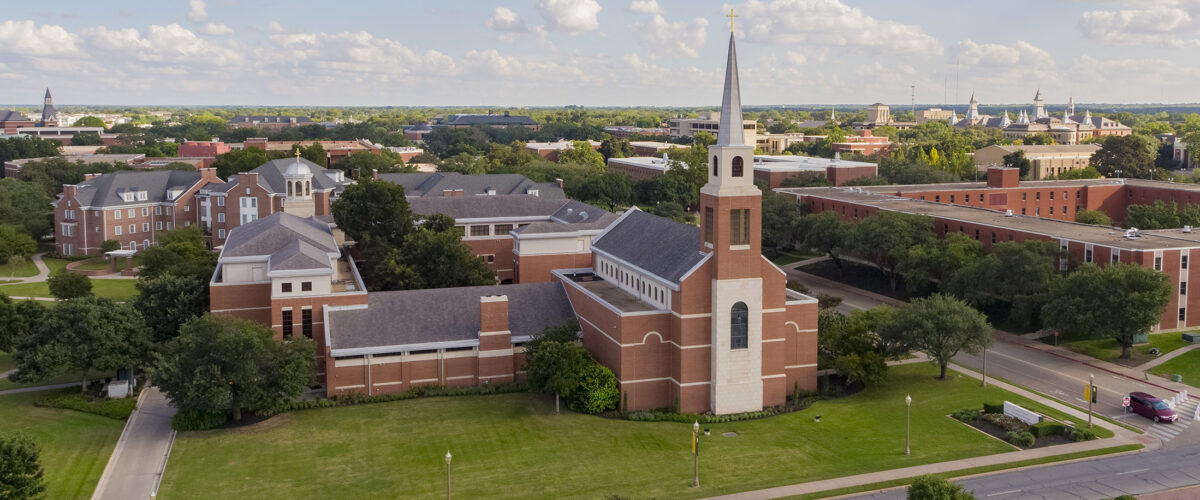
The first time I walked into Truett Seminary’s campus, I remember feeling at home. My mom and I flew across the country to visit a Baptist seminary that vocally and visibly supported women in ministry.
I was a college senior excited about the calling I had sensed and overjoyed that a place like Truett would support me. During my visit, my mom tearfully said, “This is what Baptist hospitality looks like.”
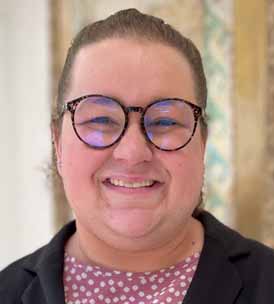
Jordan McMahan
I asked questions, met professors and students, toured the building and observed a class. In one conversation with a student representative, my mom reminded me of one question I hadn’t asked yet: What kinds of conversations is Truett having about caring for LGBTQ individuals?
I stuttered through the question, and the student tour guide responded: “Conversations are happening. I’m confident you will feel equipped to do what God has called you to.”
I wish this statement had been true.
Throughout my time at Truett Seminary, I was disappointed. It started in one of my very first classes when a classmate commented that LGBTQ people are obviously burning in hell. The professor didn’t challenge it, talk about nuance or acknowledge different approaches to Scripture. The professor side-stepped the conversation entirely.
“I learned that day that I needed to be careful.”
I learned that day that I needed to be careful. When a student called LGBTQ individuals demonic and another professor was silent, I knew I needed to finish my degree and get out of Truett Seminary as soon as possible.
You see, I am not only an individual called by God to care for LGBTQ individuals; I am queer.
After hearing comments like these, I walked with extra caution through the building. I went back through the documents I received during orientation and read a concerning line: “The seminary may take disciplinary action as it deems necessary should the standard of personal and ethical conduct be violated. Violation of this standard shall include, but is not limited to … heterosexual misconduct and homosexual behavior.”
I was fearful, and that fear would remain throughout the rest of my experience at Baylor.
Along my journey, I found places of safety within the university. I co-created a place of refuge called the Secret Book Club, jokingly referred to as the SBC. We met at a local affirming church to read books about reconciling the clobber passages. As I had come out to Truett classmates little by little, I noticed many had not been given the tools to wrestle with the texts commonly used against LGBTQ individuals. They were taught to take those Scriptures at face value while delving into context and criticism for all others.
During my second year, I became a resident chaplain at Baylor and was tasked with providing pastoral care to undergraduate students. I was warned along the way to be careful if a student were to come out to me. I could respond with care, but I needed to be wary because the environment at Baylor was such that a student who came out and was employed by the university, or was in a position of authority, could lose that position very quickly. And, if a resident chaplain were to come out, they “wouldn’t be in their job for long.”
Students from every theological standpoint told me I was skilled as a chaplain. And I was constantly terrified. Terrified that my rainbow crocs would be stumbled upon by maintenance workers. That my affirming position would be considered dangerous as I interacted with undergraduate students who were working through their own understandings of life and sexuality. That if I was too vocal in caring for the out trans student living in my building, people would know I was queer. That advocating for utilizing the students’ pronouns would be considered too divisive. I remained in that job until graduation, and I wonder what would have been different about the care I provided if I had been less fearful along the way.
“I wonder what would have been different about the care I provided if I had been less fearful along the way.”
Throughout my entire degree work, only one of my classes included a lecture on what it can look like to care for LGBTQ people. No discussion was permitted, and the professor who taught that class has since been pushed out of the seminary. A few classes had us write our opinions about the topic in papers, bringing the conversation to less than 30 class hours total dedicated to conversations surrounding LGBTQ individuals out of the master of divinity degree’s 3,000 total hours in the classroom.
I wish I had learned what it looked like to engage faithfully and pastorally with individuals across the spectrum of interpretation on this issue during my coursework.
The conversation surrounding LGBTQ individuals and the church is essential for all those entering ministry today. Truett Seminary’s refusal to allow conversation surrounding arguably one of the most divisive and pressing concerns for the local church is neglectful and shameful.
In one of my final classes in seminary, I was tasked with writing a paper on my theological opinions regarding marriage and family. In a subsection of a subsection of a subsection, I was told to discuss my thoughts on homosexuality. I cried and stressed over writing that paper to the point that I experienced suicidal ideation. I spoke with a therapist the next day about my deep fear. The task at hand didn’t include changing anyone’s mind necessarily, but I knew the professor strongly and loudly disagreed with me.
I had heard rumors over my four years of students not graduating after writing an affirming position on that paper. I had heard other rumors of affirming students getting good grades on that paper as long as they defended themselves well. Even though I had spent the last 10 years of my life reading and crying and praying and searching for a well-defended response, I couldn’t write one.
I turned in what I could to the professor after days of contemplating ending my life. When I received the paper back graded and annotated, I noticed the professor had made very few comments throughout my paper aside from the small section on homosexuality. In that section, the professor wrote emotionally charged comments to combat every line I had written.
I am so grateful to be around today, but that experience was the closest I ever have come to making the decision not to be alive.
I strongly discourage anyone who desires to care for youth, emerging adults and especially LGBTQ individuals from attending Baylor’s Truett Seminary. I make this plea not because Truett is not affirming, but because Truett Seminary is harmful.
“A seminary that decides conversations around LGBTQ individuals are optional is not equipping God-called people for gospel ministry.”
The truth about Truett Seminary is that good people are doing good work within those walls. And also there is active harm happening.
I am continuing to unpack the damage done while in this environment. I constantly felt fearful, but I also often felt loved. Loved by individual professors who went out of their way to encourage me. Loved by classmates who conversed with me outside class time because they desired to learn what they should say when LGBTQ individuals come out to them. Loved by people who could not voice their support for me for fear of losing their positions, but reached out privately when I came out publicly this summer.
A seminary that decides conversations around LGBTQ individuals are optional is not equipping God-called people for gospel ministry. A seminary that requires secret book clubs for students to have crucial discussions on approaches to caring for a group of individuals is choosing to limit the voice of God and the work of the Holy Spirit in the world today. A seminary that prioritizes the opinions of donors who would rather support harmful methods of conversion therapy than pastoral care based on the love of Jesus is choosing to serve money and not God.
The neglect given to this conversation directly negates the commonly spoken tagline that Truett is there to teach you how to think, not what to think.
Truett Seminary, I have a lot of love for you. I need you to do better.
Jordann McMahan is a 2025 graduate of Truett Seminary who is a second-year pastoral resident at Wilshire Baptist Church in Dallas. This column was neither solicited nor suggested by BNG’s editor, who also is a member at Wilshire.
Related:
Baylor rejects grant to study LGBTQ exclusion in the church
The good graduate student: A modern parable | Opinion by Art Wright
Where I found acceptance as a woman, others now find rejection | Opinion by Madison Boboltz