


In May 2020, many pastors held their breath as they released statements and stumbled over how to respond to the murder of George Floyd. Meredith Miller responded with formation.
Making her Instagram account public, Miller began to write about faith formation in a way that was easy to digest. She asked herself, “What does faithful resistance look like at this moment?” She described racism to children: “We are all image bearers of God but not everyone believes that about every person. Sin is systemic and individual wrongdoing.”
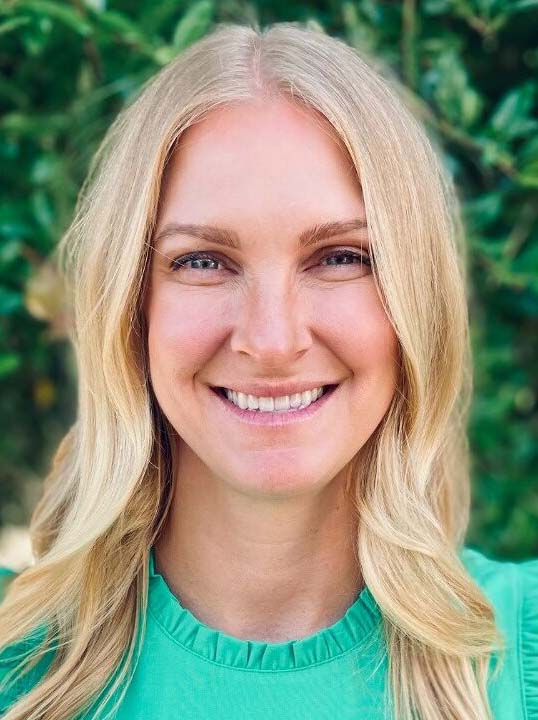
Meredith Miller
Meredith Miller is a mom, CrossFit enthusiast, pastor, writer and longtime leader in faith formation who has spent years helping churches rethink how they nurture faith in children and families.
While churches across the country debated how to address racism, protest and political division, Miller began writing publicly about something deeper — the ways churches shape people long before a crisis arrives.
Because, she realized, the moment exposed something uncomfortable: Many congregations simply were not formed to see the injustices happening and or to talk about it.
“We don’t need more reactions,” Miller told me recently. “We need theological formation.”
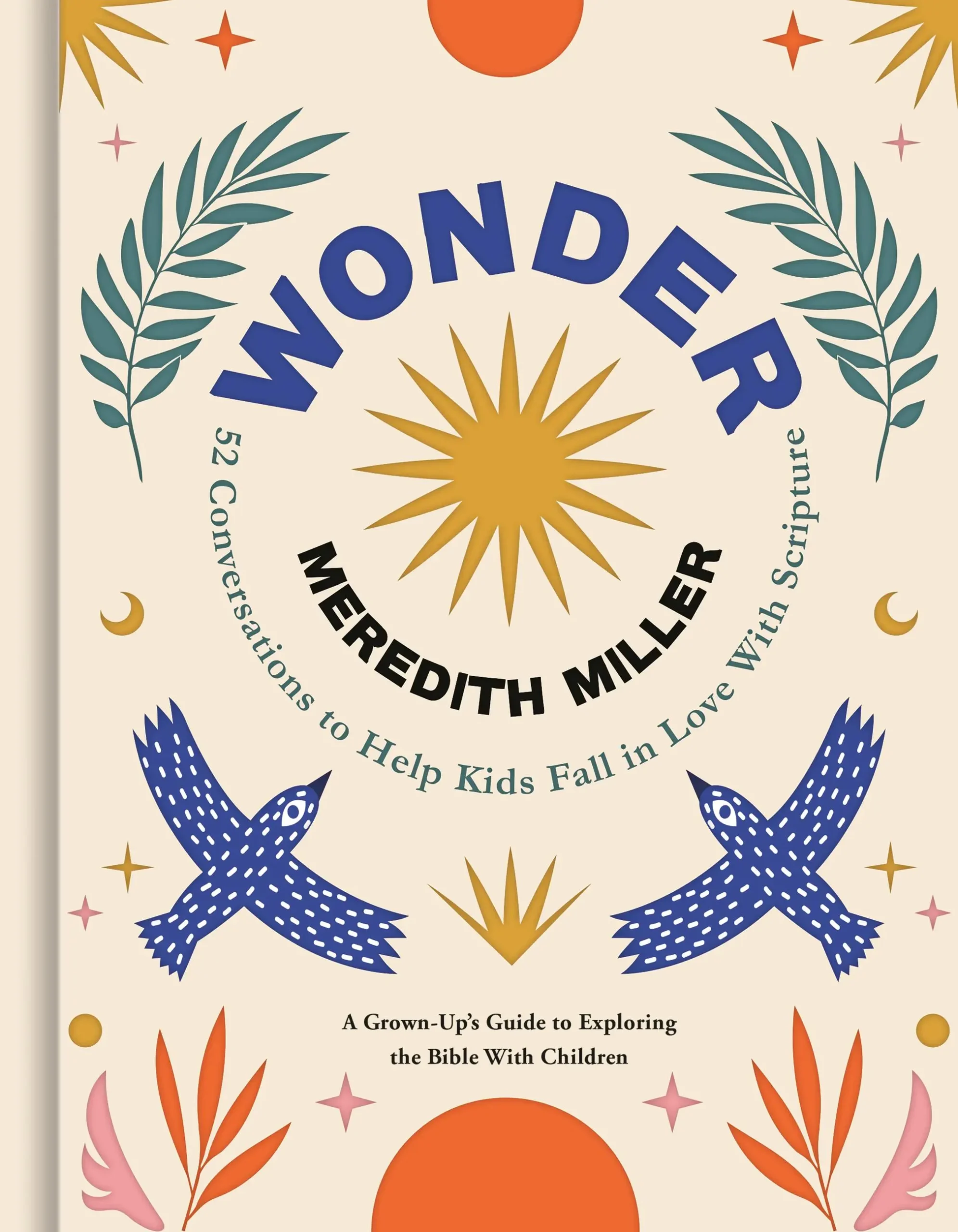
That conviction now sits at the center of her forthcoming book, Wonder.
The national reckoning that followed George Floyd’s murder revealed more than political division. It revealed a faith formation gap inside many churches. Christians who knew how to talk about personal faith often struggled to talk about systemic injustice. Congregations that could articulate doctrine sometimes lacked the imagination to see the image of God in neighbors whose experiences were different from their own.
“Systems form us,” she said during our conversation. Churches are not just communities that teach beliefs. They are ecosystems that shape imagination and theology. The questions children are allowed to ask, the stories communities tell, the way leaders respond to difference — all of it forms the spiritual instincts of a congregation. And when crisis comes — and it will come — those instincts surface.
“We’ve often trained people to protect answers instead of cultivating curiosity.”
At first glance, Wonder appears to be a book solely about children’s faith formation, and in many ways it is. Miller has spent years working with churches to help them nurture children’s curiosity about God rather than suppress it with certainty. However, listening to her talk about the book, it becomes clear the real audience is the whole church.
“We’ve often trained people to protect answers instead of cultivating curiosity,” she said.
“Wonder,” she argues, “is not childish. It is a deeply Christian posture — one that allows believers to approach God, neighbor and world with humility and openness.”
During our conversation, I continued to underline the phrase, “Faith moves us to action, not reaction.” Because the church’s instinct over and over again has been reaction. Reacting to politics. Reacting to cultural change. Reacting to the latest controversy. But wonder slows the church down. It creates space for listening, learning and noticing where God might already be at work.
 What surprised me most during our conversation was not Miller’s critique of shallow formation. It was her hope.
Despite the chaos and trauma of the past few years, she sees signs that something different is possible.
“The hope,” she said, “comes from watching children ask fearless questions about faith — and from seeing adults rediscover the freedom to say, ‘I don’t know.’ It comes from the community of small churches willing to examine how their formation practices shape imagination.”
Christians today face immense pressure to respond to every headline and cultural conflict. But Miller’s work offers a different invitation: Help people become the kind of disciples who already are formed for the moment they are living in.
Jesus did not respond to the empire by trying to dominate it. He told stories, he broke bread with his friends, he shared life that displayed a different kingdom, some may even call it a “kin-dom.”
Miller told me: “I truly believe the reign of God is already here.” And if that is true, then the task of Christianity is not to manufacture hope but to notice it.
Wonder is Meredith Miller’s attempt to help Christians recover that posture — to become a people who believe curiosity is welcomed and imagination is nurtured, people who see God in the already, almost and not yet.
In an anxious age, that might sound simple. But it may be exactly the kind of formation the church needs.
Braxton Wade is a Clemons Fellow with BNG. He is a graduate of the University of Richmond and Chicago Theological Seminary and lives in Richmond, Va.