


Whenever America experiences a moral crisis, someone eventually asks where the Black Church is.
The question recurs with remarkable consistency. It surfaced during the Civil Rights Movement, resurfaced during periods of racial unrest and continues to arise whenever democratic tensions expose the gap between the nation’s ideals and its realities.
When public institutions seem incapable of confronting injustice honestly, many Americans instinctively turn to Black clergy, Black congregations and Black religious traditions for moral clarity. Beneath the question lies an assumption so familiar it often goes unexamined: That the Black Church will once again help the nation find its conscience.
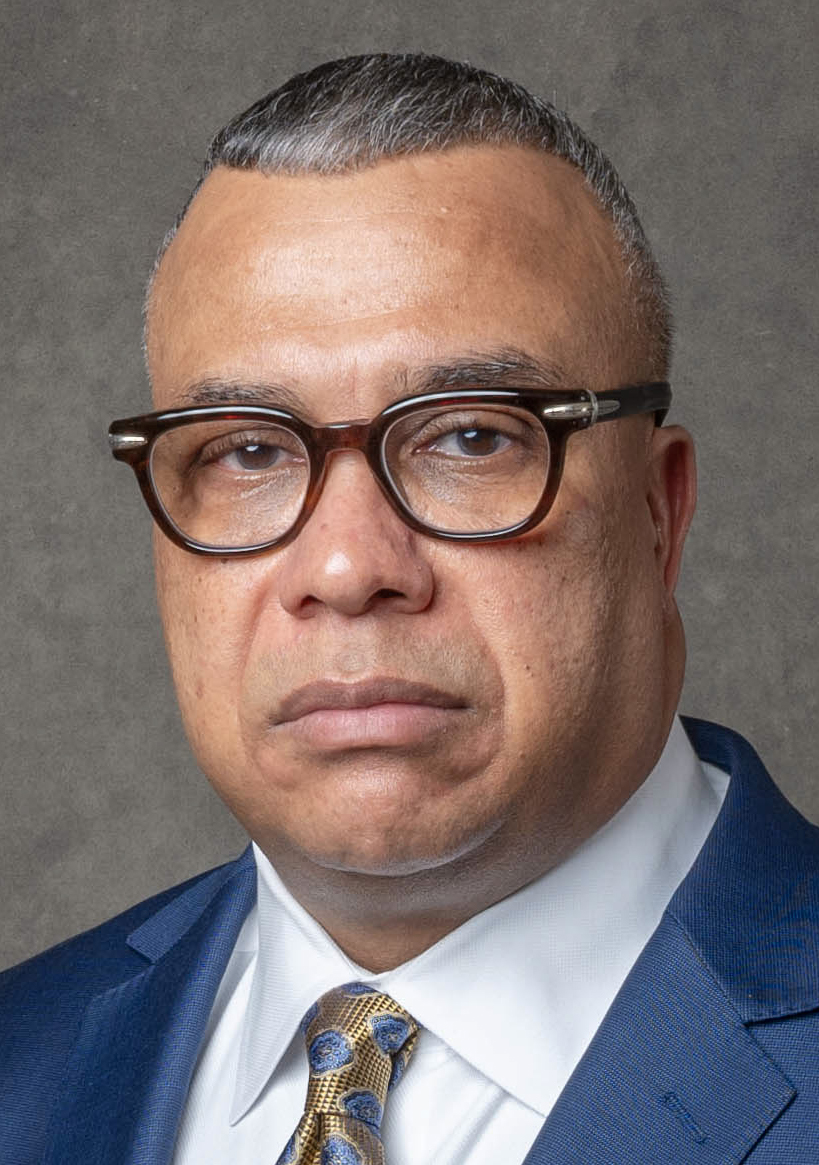
Paris Lee Smith Sr.
History helps explain why this expectation persists.
For generations, Black churches have been among the most resilient institutions in American public life. They nurtured communities under slavery, sustained hope during segregation, organized resistance against racial violence, cultivated civic participation and provided leadership during some of the nation’s most consequential democratic struggles. Long before many public institutions were willing to acknowledge racial injustice, Black churches were naming it, confronting it and mobilizing communities to resist it.
This history deserves recognition. It also requires clarity.
“One of the least examined habits in American public life is the tendency to outsource moral responsibility.”
Every time Americans assume the Black Church will once again provide the moral leadership needed to confront the nation’s failures, they expose a troubling reality: Too many other institutions have abandoned their responsibilities for moral formation.
One of the least examined habits in American public life is the tendency to outsource moral responsibility.
When a crisis emerges, Americans search for courageous leaders, prophetic churches, and trusted institutions capable of providing moral clarity. Yet those institutions cannot become substitutes for responsibility. They must offer invitations to responsibility.
Throughout slavery, segregation, voter suppression, racial violence and countless struggles for democratic inclusion, Black churches have articulated moral truths many Americans were unwilling to acknowledge. They have challenged systems others accepted as normal. They have named injustices others preferred not to see.
Why has one institution, born of exclusion and sustained by struggle, so often been expected to provide moral leadership for a nation that repeatedly celebrates freedom as one of its defining values? The answer is uncomfortable.
Moral formation is difficult work. It requires families willing to teach responsibility before entitlement, schools willing to cultivate character alongside competence, religious communities willing to form conscience rather than merely attract audiences, and citizens willing to practice honesty, accountability, empathy and self-examination. Such formation cannot be improvised in moments of crisis.
“Contemporary America increasingly seeks moral clarity while resisting moral formation.”
Yet contemporary America increasingly seeks moral clarity while resisting moral formation. It celebrates prophetic voices while neglecting the institutions capable of producing morally serious citizens. The result is a society that repeatedly searches for conscience while investing less in the work required to cultivate it.
The problem with moral outsourcing is not merely what it reveals about the nation. It also reveals what happens to the institution repeatedly expected to bear responsibilities that belong to everyone.
For generations, the Black Church carried burdens that extended far beyond congregational life. In addition to preaching the gospel, nurturing disciples and sustaining worshiping communities, Black churches often served as civic centers, educational institutions, political organizing spaces, cultural archives and guardians of communal memory. That history is remarkable. But resilience should not be confused with inexhaustibility.
No institution can indefinitely function as a democratic emergency room.
As a Black pastor and public theologian, I have spent years watching congregations shoulder responsibilities that far exceed what most churches should be expected to carry. I have seen pastors serve as counselors, advocates, organizers, crisis managers and public interpreters of national events. Such work reflects extraordinary commitment, but it also reveals the immense expectations repeatedly placed on the church.
This burden is not merely organizational. It is spiritual.
When an institution becomes responsible for responding to every emergency, crisis management can begin overshadowing discipleship. Public responsibility can crowd out inward renewal. The work of helping others endure can make it difficult for the institution itself to flourish.
Historical faithfulness does not require permanent exhaustion.
One of the persistent mistakes in American public discourse is the tendency to confuse prophetic witness with moral perfection.
The Black Church never has been morally flawless. Like all human institutions, it has struggled with power, patriarchy, leadership failures, theological disputes and internal contradictions. Recognizing these truths is not betrayal but honesty. Nevertheless, moral flaws do not diminish its prophetic importance. The biblical prophets were not remembered for representing flawless communities. They were remembered for speaking difficult truths into societies determined to avoid them.
The same pattern recurs throughout the history of the Black Church. Its prophetic witness emerged not from perfection but from perseverance. Again and again, Black churches, clergy, theologians, activists and lay leaders challenged the nation to confront truths it preferred to ignore. They reminded America that freedom without justice is fragile, democracy without participation is hollow and citizenship without moral responsibility is unsustainable.
That legacy deserves neither romanticization nor cynicism. It deserves honesty. Prophetic witness is not the voice of perfection speaking to imperfection. It is the voice of imperfect people refusing to stay silent in the face of injustice.
The Black Church can continue to sound the alarm. History suggests it will. But prophetic witness alone cannot sustain a democracy. The trumpet can sound. The nation must still learn to hear.
“The trumpet can sound. The nation must still learn to hear.”
America’s challenge never has been a shortage of prophetic voices. Throughout its history, the nation has produced individuals and communities willing to challenge injustice, confront hypocrisy and call the country toward its better possibilities. The deeper challenge has been whether the broader society possessed the moral courage to respond.
Listening is more challenging than celebrating. It requires self-reflection and letting go of comforting stories. To listen truly, one must recognize democracy is not merely a political system but a moral agreement that calls for active participation, sacrifice, discipline and accountability.
The Black Church can continue to bear witness, but it cannot do the nation’s listening for it.
No democracy can indefinitely outsource conscience. No nation can permanently borrow courage. No society can survive by expecting one community to do the moral labor required of all. The Black Church never was meant to save America. It was meant to tell America the truth.
The question before us is whether America is finally willing to hear it.
Paris Lee Smith Sr. is a public theologian, pasto, and scholar-practitioner whose work explores leadership, institutional crisis, democracy, emotional exhaustion and Black prophetic traditions. He is the Founder of Justice Scholars Society.