


In a nation that reveres liberty, intellect and rule of law, the latest clash between Donald J. Trump and Harvard University is not just a headline, it’s a high-stakes constitutional confrontation. And in this second round, the gloves are off.
This isn’t merely a fight over campus protests or cultural grievances. It’s a test of whether a president can bend the republic’s most sacred principles to punish dissent and intimidate institutions that don’t fall in line. The answer, for now, is no.
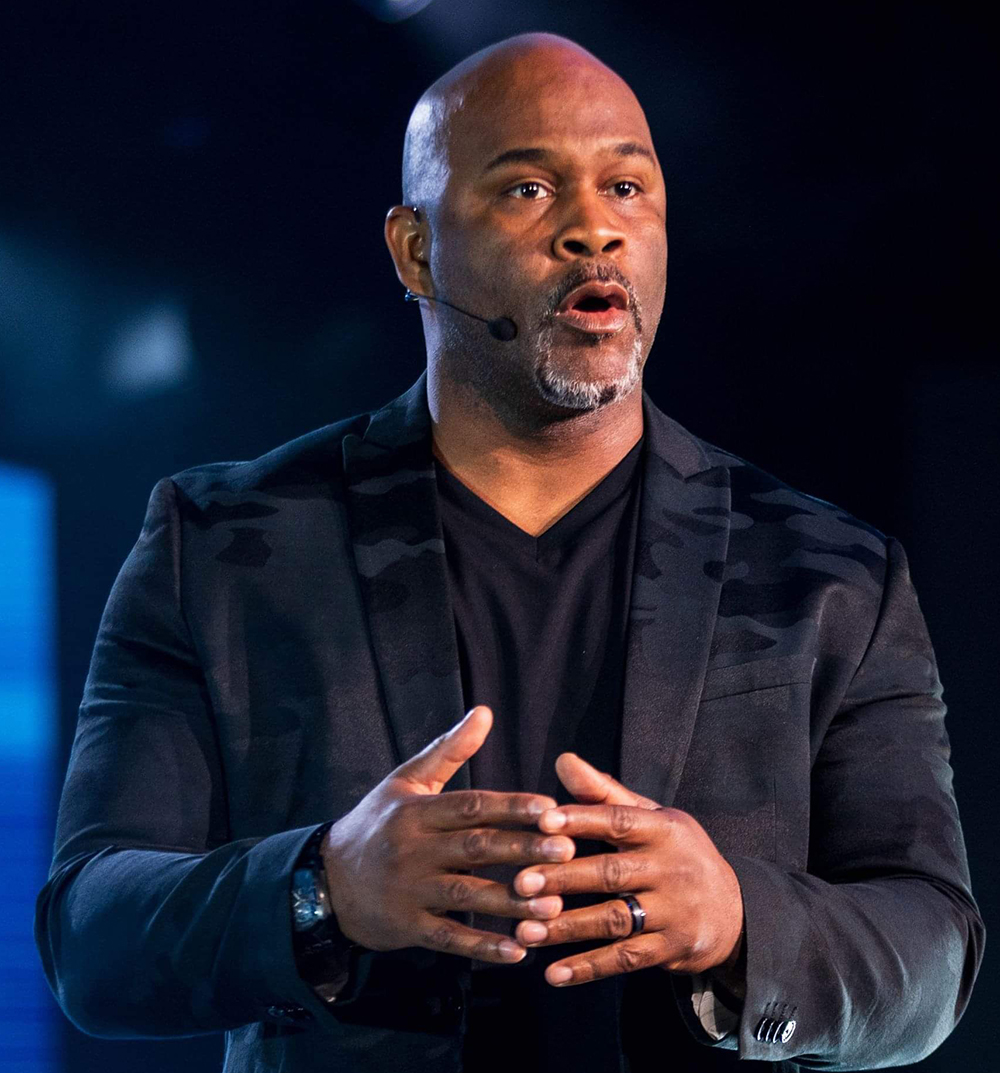
Edmond W. Davis
Just months after his unprecedented move to revoke Harvard’s tax-exempt status — citing “hostile learning environments” and “un-American protest activity” — Trump’s legal assault on the nation’s most prestigious university has hit a judicial wall. A federal judge issued a temporary restraining order blocking his administration’s attempts to strip Harvard of its ability to host international students. Judge Allison Burroughs made it clear: The Constitution is not a political pawn.
Let’s be clear: Trump’s crusade against Harvard never has been truly about policy. It’s personal, political and punitive. What began as a rhetorical jab during campaign rallies has escalated into a coordinated effort by federal agencies to undermine Harvard’s autonomy and silence critical thought on college campuses nationwide.
“Trump’s crusade against Harvard never has been truly about policy.”
The Department of Homeland Security, led by Trump loyalist Kristi Noem, claims Harvard has become a “safe haven for ideological extremism.” Yet, DHS simultaneously ignores the clear and present threat of domestic terrorism by white nationalist groups, militias and lone-wolf attackers — many of whom have openly cited Trump’s rhetoric as inspiration. It’s a dangerous double standard.
At the center of Trump’s offensive is a demand for access to foreign student records: names, countries of origin, protest activity and disciplinary histories. For Harvard — which educates students from more than 150 countries — the request is not only unconstitutional but chilling. It conjures dark echoes of past regimes that criminalized dissent, monitored intellectuals and punished people based on national origin. This is not who we are.
Under the First and Fourth Amendments, students — regardless of citizenship — are entitled to freedom of expression and protection from unreasonable searches. The administration’s attempt to bypass these rights by labeling dissent as “national security threats” is a cynical exploitation of post-9/11 fear politics.
But perhaps more troubling than the legal overreach is the moral message. Trump’s targeting of Harvard — along with Columbia, Penn and other elite schools — sends a clear warning: Question me, and I will make you pay.
It’s worth revisiting the Constitution here. As legal scholars like Laurence Tribe have pointed out, our founders explicitly barred the use of bills of attainder — laws or executive actions that single out individuals or entities for punishment without trial. These were abuses of power the British crown wielded to silence opposition. Our legal system demands due process, not vengeance.
“Our legal system demands due process, not vengeance.”
Ironically, when Trump University was accused of fraud, Trump insisted on due process and ultimately settled the case. Now, he seeks to deny that same right to America’s top academic institutions — a blatant contradiction, and one the courts are unlikely to overlook.
So how should Harvard respond? Thus far, the university has stood firm. Refusing to release student data and pushing back against political coercion, Harvard has framed this not as a partisan standoff, but as a defense of academic freedom. That is the correct and courageous stance.
Still, Harvard cannot and should not stand alone. Here’s what must happen next:
- A unified Ivy League: All Ivy League institutions must issue a joint statement refusing to share sensitive student data. Solidarity will prevent divide-and-conquer tactics and affirm collective commitment to constitutional rights.
- Congressional oversight: The House and Senate Committees on Education must hold public hearings. Subpoenas should be issued to DHS and other federal agencies demanding transparency about the administration’s true motivations and legal basis.
- International advocacy: Countries with large student populations at U.S. universities — including India, Nigeria, China and Brazil — must raise the issue through diplomatic channels. American higher education is a global good and its politicization undermines international trust.
- Alumni mobilization: Harvard’s alumni base includes governors, judges, CEOs and global leaders. Their influence must now be leveraged through public advocacy, legal defense funds and media campaigns.
To be clear: Harvard is not above critique. But Trump’s weaponization of the federal government to penalize ideological disagreement is not about accountability; it’s about control. And history has shown that once intellectual freedom is sacrificed at the altar of authoritarianism, the rest of our rights quickly follow.
This is not just Trump vs. Harvard. It’s the future of American democracy vs. a cult of personality. The courtroom is now the ring. The law is the referee. Round Two has begun.
And the world is watching.
Edmond W. Davis is a native of Philadelphia. He is an award-winning college and university history professor, No. 1 new release author on Amazon, international speaker, licensed journalist and a globally recognized Tuskegee Airmen/Airwomen authority. He founded the National HBCU Black Wall Street Career Fest and is an advocate for socioemotional intelligence.
Related articles:
Harvard vs. Trump, round 1 | Opinion by Edmond Davis
Trump, Harvard and Bob Jones University: The resurrection of racism | Analysis by Rick Pidcock
Trump’s attack on Harvard is Christian universities’ ‘worst nightmare’