


Public broadcasting is not just media — it’s a lifeline, especially for millions of Americans who are not wealthy, politically connected or part of elite circles. Right now, that lifeline is under threat.
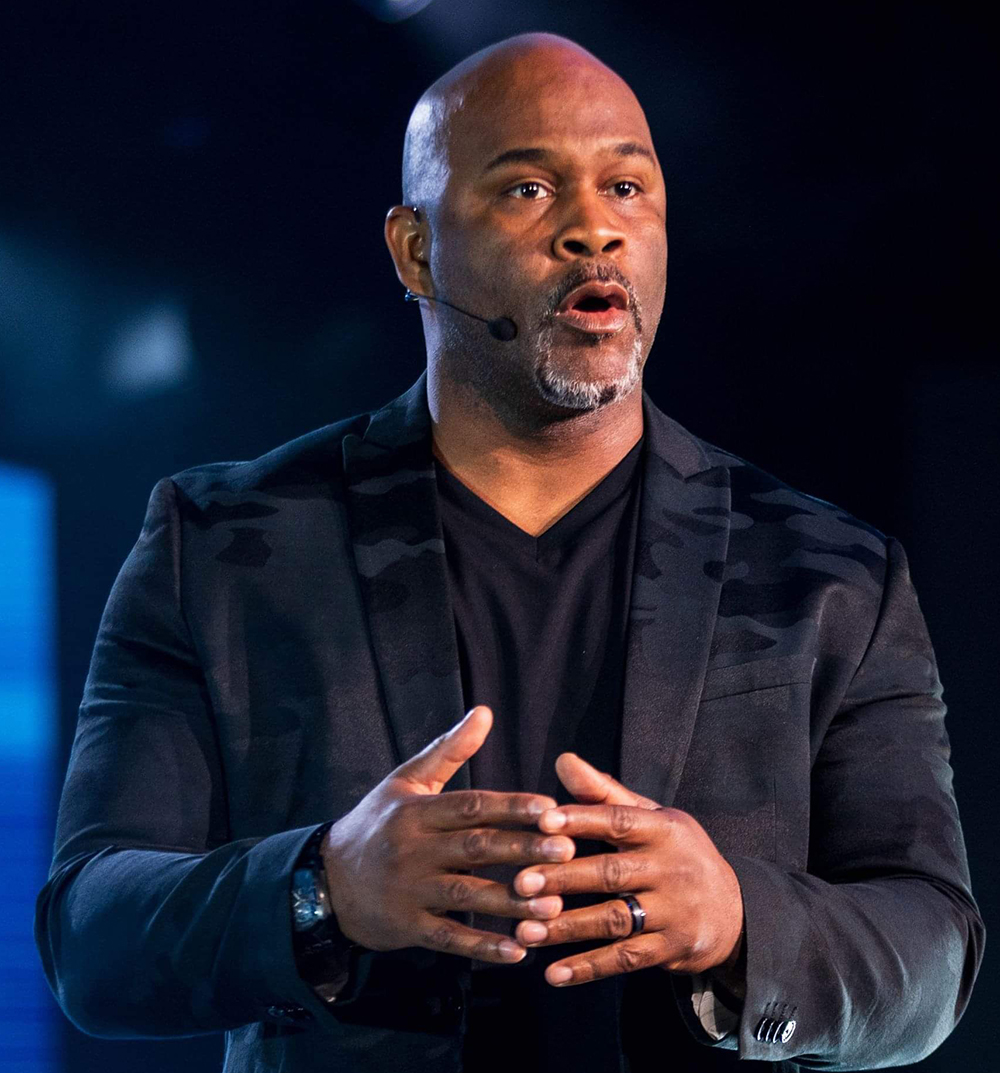
Edmond W. Davis
National Public Radio and the Public Broadcasting Service are being targeted in a new wave of political retaliation led by President Donald Trump. These networks long have been bastions of truthful reporting, educational content and community-focused programming. They provide critical news, cultural programming and emergency information — largely free of charge — to nearly every corner of the United States, including rural areas, public schools, libraries and low-income households.
Here are 10 key reasons why defunding NPR and PBS would deeply hurt all Americans, especially those struggling to be heard:
- Loss of free educational programming: PBS provides early childhood education through shows like Sesame Street and Arthur. Without federal support, these programs may vanish from TV in homes that can’t afford streaming services.
- Disruption of local news and community coverage: NPR’s local affiliates provide crucial regional news that corporate outlets ignore. Defunding means small towns and cities could lose their only reliable news source.
- Elimination of emergency broadcasts: Public stations play vital roles during natural disasters, power outages or civil emergencies. Cutting funds risks lives in underserved areas where public radio may be the only alert system.
- Reduced access to arts and culture: PBS introduces millions to theater, music, documentaries and authors — content not driven by ratings or profits, but by public interest. For many, it’s their only window to the arts.
- Job losses and station closures: Thousands of employees at local stations and support roles could lose their jobs. This hits small cities and rural economies hard, eliminating trusted community institutions.
- Educational inequality worsens: Public schools often rely on PBS content. Defunding removes a tool that levels the playing field for students who lack digital or private educational access.
- Silencing unbiased, fact-based journalism: While accusations of “bias” are hurled, independent reviews — including from the FEC — have affirmed NPR’s legitimacy. Defunding could leave Americans more vulnerable to propaganda and misinformation.
- Targeting vulnerable voices: Both networks give voice to immigrants, indigenous communities, disabled people and low-income families. Their stories disappear without public broadcasting.
- Politicizing free speech and press freedoms: Trump’s executive order to defund these entities for perceived criticism of his policies is a direct affront to the First Amendment. Today it’s NPR and PBS. Tomorrow, who?
- Diminished civic engagement and trust: Public media educates citizens on how government works, where to vote and how to participate. Defunding reduces civic knowledge and promotes disengagement.
Public media: Priceless, not radical
NPR and PBS operate with minimal federal support — around 1% for NPR and 15% for PBS — but their reach and impact are enormous. This funding supports more than 1,000 stations and reaches 99% of the U.S. population.
Public broadcasting is not “radical.” It’s reasonable. It’s reliable. It’s essential. It belongs to you — not to politicians, not to corporations.
Let us be clear: This is not just a media issue. It’s a moral issue about what kind of country we want to be. A nation where everyone — regardless of ZIP Code or income — can access quality education, independent news and lifesaving alerts? Or one where only the rich and powerful control the narrative?
If you live in West Little Rock or West Philadelphia anywhere in America, this affects you. Tell your representatives: Hands off public broadcasting. Support the Corporation for Public Broadcasting. Support the truth.
Because silencing NPR and PBS isn’t just censorship, it’s erasure.
Edmond W. Davis is a journalist, social historian, Tuskegee Airmen global scholar and emotional intelligence expert.