


I had just left my corporate job — no backup plan, no security blanket, no savings plan that made sense on paper. Just a tug in my spirit I couldn’t ignore any longer. I was tired of running from God’s call. For the first time in years, I said yes — fully, freely, faithfully, fearfully yes— to the call of ministry again.
There’s this coffee shop near an old Baptist seminary that became my sanctuary. The baristas didn’t know all that was unfolding inside me. To them, I was just Braxton, the regular who ordered a drip dark roast, stayed too long at the community table and on Fridays shared a “Dayum Good Biscuit,” laughter and tears with his mom. But for me, that space became holy ground for all I had and all of who I was.
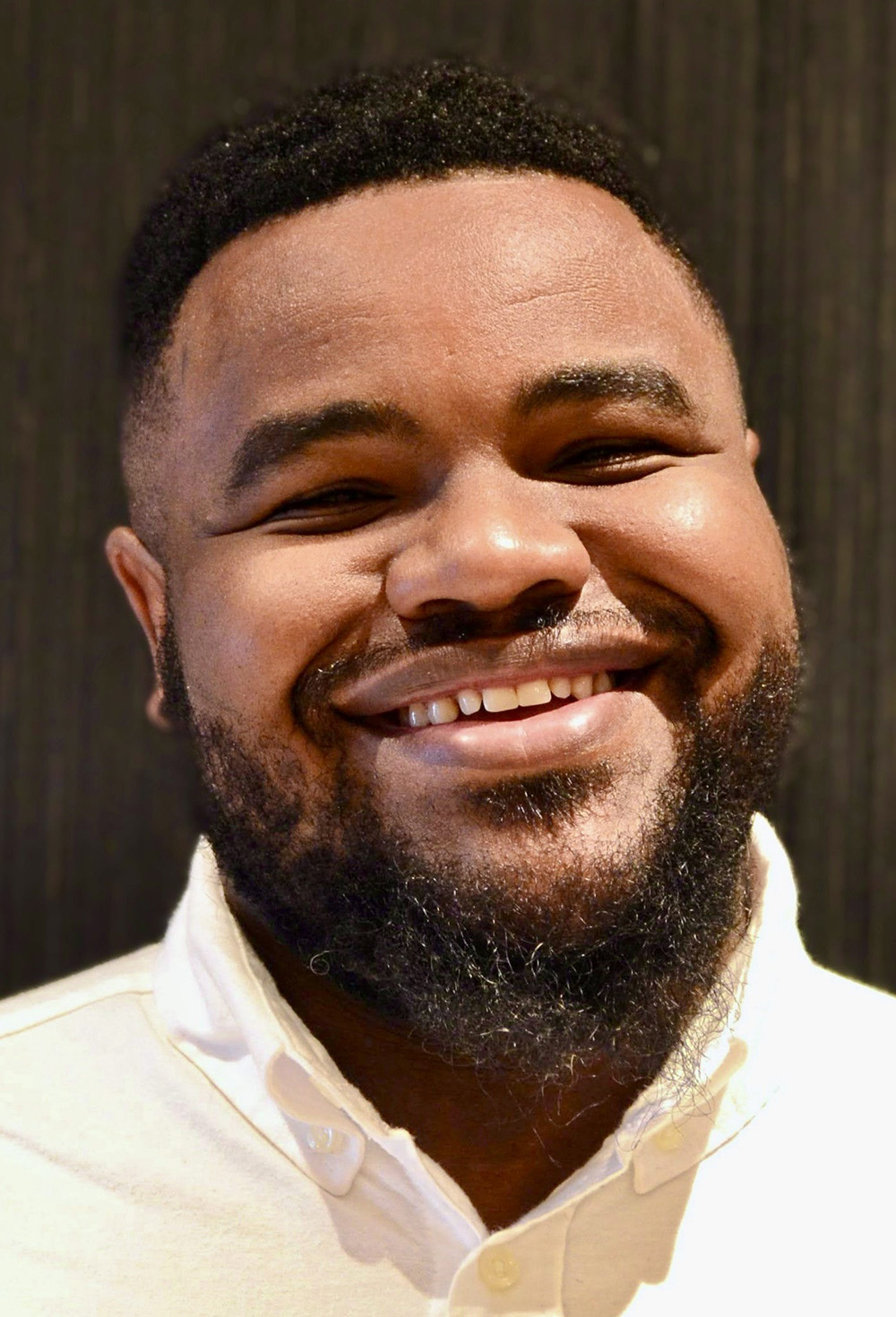
Braxton Wade
It was the place where I could dream and doubt, pray and question, cry and write, apply for jobs and whisper: “God, have you forgotten about me? Have you brought me to the wilderness to leave me here?”
This coffee shop became Beer Lahai Roi, the well of living water in the midst of the wilderness where God saw Hagar. The place where I learned that even when you have no plan, God still has one.
One afternoon, after meeting with a clergy friend about the state of the church and the weight of this moment, about the wars, the politics, the violence and fatigue that seemed to hang in the air, my friend left and I lingered.
That’s when the woman across that community table took out her AirPods, leaned over, and asked, “Are you a pastor?”
I smiled. “I am.”
“This coffee shop became Beer Lahai Roi, the well of living water in the midst of the wilderness where God saw Hagar.”
She took a deep, long breath, and her face became beet red. “Can I ask you something?”
“Of course.”
She said, “How do you keep going? What does hope even look like in 2025?”
We sat for nearly an hour. She shared that she is the daughter of an immigrant, is queer and deconstructing the evangelical theology that had held her captive. She longed to believe again, not in church politics or empty promises, but in something real, kind and healing. The headlines made hope feel naïve, maybe even dangerous. The world feels too heavy for hope. I couldn’t disagree.
This year, hope feels like a joke. Let’s be honest: It’s hard to talk about hope right now.
SNAP benefits have been slashed. ICE agents are showing up, tearing apart families, taking people out of their homes, leaving children without parents, misplacing human beings. There’s another war overseas. A genocide is happening in both Palestine and the Congo. And yes, Donald Trump is president again.
You can almost feel the ache of the land. People are angry, tired and afraid. Pastors are burnt out. Communities are divided. And most days, it feels like the world is held together by duct tape and prayer, a prayer that is often hard to pray.
So when she asked me what hope looks like, I didn’t give her a neat answer. I just sat there, my coffee cooling, thinking about how fragile hope can feel and simultaneously how strong it actually is.
“Most days, it feels like the world is held together by duct tape and prayer, a prayer that is often hard to pray.”
I remember 2008. Barack Obama stood on stages across the country talking about hope. The word was everywhere: It was on T-shirts, bumper stickers, posters. It was electrifying. For a moment, the nation seemed united by a dream bigger than party lines. I was young, still learning what faith and leadership meant, still believing that maybe the right person in power could heal what was broken. Dreaming maybe the world finally would start to make sense.
But that kind of hope, political hope, always expires. It depends on polls, policies and power. Gospel hope? That kind doesn’t have a shelf life. Gospel hope empowers followers of Christ to co-labor with God in the healing. Gospel hope in the words of the prophet Micah “does justice, loves mercy and walks humbly with God.” Gospel hope is the ever-expanding table at my Grandmother’s house, where there is always room to pull up another chair for our neighbor.
Obama’s hope stirred a nation. Jesus’ hope saves it. Obama invited us to believe we could be better. Jesus invites us to become new. One was about change. The other is about resurrection.
As a pastor, I’ve seen how easily our hearts become tethered to the promises of politicians. We aren’t voting with our neighbors in mind; we choose a team, and come hell or high water, we root for that team.
Policies can shape the moment, but only love transforms lives. Politics can shift systems; only Jesus can transform hearts.
Jesus didn’t run a campaign; he built a kin-dom. Jesus didn’t associate with a party; he invited all to the table, and there was more than enough food to go around.
And that table is still big enough for the doubters, the deconstructing, the weary, the faithful, the disillusioned, the ones who still want to believe even after everything.
Jesus fed people when governments failed them. He welcomed immigrants and strangers when ICE and governments told them they weren’t welcome. He fed people when governments failed them. He healed those society had discarded. He saw the image of God in those the empire called disposable. He met people on the margins where they were and invited them to the table, gently whispering, “You belong here.”
“When SNAP is cut, hope looks like a church that feeds people anyway.”
This isn’t sentimental religion; it’s a revolution of grace.
When SNAP is cut, hope looks like a church that feeds people anyway.
When ICE raids a home, hope looks like neighbors and clergy showing up with prayer and presence in communities and ICE enforcement offices.
When bombs fall in Gaza, hope looks like lament turned into action, protest that sounds like prayer, and solidarity that looks like love with its sleeves rolled up.
Hope is not wishful thinking; it’s a weapon against despair. Hope isn’t cheap. It’s born of tears and stubborn faith, faith that sees the Imago Dei in all humankind. This hope gets splinters from continuing to build tables, callouses from standing hand and hand with neighbors refusing to let go, blisters from standing with those on the margins until justice rolls down like a mighty stream.
Real hope doesn’t forget about the crucifixion, but it still shows up at the tomb, anticipating resurrection.
That woman at the coffee shop reminded me that the people who understand hope best are rarely the ones in power.
Hope belongs to the single mother who still finds a way to smile at her child.
To the refugee praying for safety.
“Real hope doesn’t forget about the crucifixion, but it still shows up at the tomb, anticipating resurrection.”
To the queer believer who dares to believe they are beloved.
To the pastor who left corporate America to follow God’s call, believing manna is enough.
Hope is what happens when faith keeps showing up after the world keeps breaking your heart. Hope is what happens when Christ followers keep showing up, empowered to live a life that emulates Jesus.
Recently, I find myself going back to that moment every day, two strangers in a coffee shop, one asking questions, the other searching for answers too.
That coffee shop was church that day. Not with a pulpit or a choir, but with honesty, vulnerability and a deep hunger for something more. Hope was there. Not loud. Not shiny. Just steady.
And I think maybe that’s what hope looks like in 2025: It’s people refusing to surrender their humanity in an inhumane world. It’s the church feeding the hungry when systems fail.
It’s the Spirit whispering, “Don’t grow weary in doing good.”
It’s the decision to keep loving, keep listening, keep building tables — even when it would be easier to build walls.
If 2008 taught us that people long to believe again, 2025 reminds us that belief must have a better anchor.
Our hope isn’t built on headlines. It’s built on the heart of Jesus, Emmanuel, God with us. The one who still walks into chaos and calls it blessed, still breathes life into dead things, still reminds us that love is stronger than fear.
So when people ask me what hope looks like, I tell them: Hope looks like a first-generation queer American, struggling to believe but still showing up. Hope looks like a hopeful pastor trusting God is still calling him. Hope looks like choosing tenderness in a hardened world. Hope looks like refusing to let cynicism have the mic. Hope looks like churches becoming sanctuaries again, not just for worship, but for the weary, the longing, the tired.
Because hope isn’t just something we hold. It’s something that holds us. And yes, even in 2025, in the tension and the weariness, Christ still holds us.
Braxton Wade is a pastor in Richmond, Va.