


As often as we Baptists seek the approval of “kings” and power brokers, we show disdain for our own heritage, including forebears who were locked up, beaten and even killed for daring to dissent.
The struggle to know God’s will through scripture

Jesus offers us a model of how we might struggle with our sacred texts and bring our own personal, intuitive, common-sense experience of God to bear on our interpretation and application of scripture.
Frankly speaking: an Independence Day showdown with drama, daring and indigestion
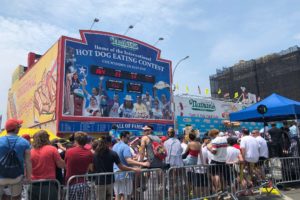
The gastronomic gamesmanship at the annual Nathan’s Hot Dog Eating Contest every July Fourth is for many a celebration of what makes America great. But I have a few questions.
A bad dream for me. A real-life nightmare for them

Let our spirits not grow deaf to the screams of “Mommy! Daddy!” that are pulsating in fear from children who have been forcibly separated from their migrant parents. May we leap into action as we would if each voice we heard was coming from the crib across the hall.
3 myths about freedom that Christians should reject

From the very beginning, we’ve had trouble incorporating the “other” into our quests for freedom. We did not suddenly figure this out in my lifetime. It’s simply not true that minorities, the poor and women have experienced this country in the same way that I have.
Hope for America as we know it can be

I don’t recognize the America in which I live now. Maybe we can become again who we were. It’s just a matter of deciding who we are going to be.
Daring to change our mind, for the sake of the church

What might it look like if we were to become genuinely open to the idea of changing our mind?
Praying the hard Psalms in the Age of Trump

Now is the time to pray the kinds of difficult prayers that might re-establish a common moral narrative around caring for the poor, making healthcare accessible, pursuing peace rather than war and building a just and inclusive economy.
We can no longer be ‘silent witnesses of evil deeds’
For us to be of any use to God’s mission of liberation, we must stand firm, in solidarity with those who are being oppressed.
Patriotism, liberty and our national anthem

As Independence Day approaches, I am reminded to look more intently to see the sincere acts of patriotism all around me. And to ask myself what “liberty and justice for all” looks like in these troublesome days.
Prayers for migrant children and prayers for ourselves
As people of faith, our prayer vigils also call us to bold and sustained advocacy on behalf of just policies and compassionate responses.
7 suggestions for tuning our voice in the public square
Faith leaders, including those who lead seminaries, must not be silent in the face of an increasingly fractious and violent society that challenges our most deeply held Christian convictions.